With more than 10‑year industry experience, Shandong Headpowder delivers full‑service pneumatic‑conveying systems and blowers, undertaking nationwide turn‑key powder‑handling projects.
Pneumatic conveying systems with automatic material feeding operate through a process that combines compressed air and a feeding mechanism to transport bulk materials. The system typically starts with the material being stored in a hopper or silo. An automatic feeder then regulates the flow of material into the conveying line. As the material enters the pipeline, it is entrained by a high-velocity air stream, which propels it through the system. The pressure differential created by the moving air ensures that the material is continuously drawn along the pipeline, reaching the destination point. This method eliminates the need for mechanical components such as conveyors or elevators, which can be less efficient and more prone to maintenance issues. The automatic feeding feature ensures a consistent and controlled flow rate, which is critical for maintaining system performance and preventing issues like blockages or uneven material distribution. The entire process is controlled by a programmable logic controller (PLC) or similar system, allowing for precise adjustments based on operational needs.
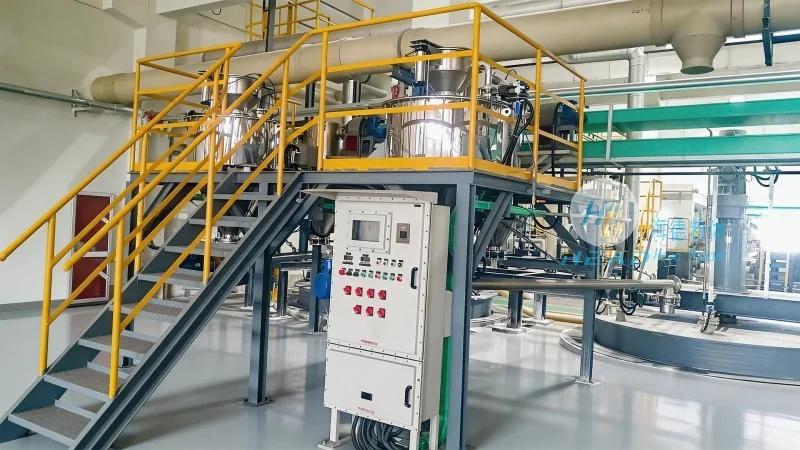
One of the standout features of these systems is their versatility in handling diverse materials. Whether dealing with fine powders, coarse granules, or bulk solids, the design can be adapted to accommodate various particle sizes and shapes. The enclosed pipeline design also contributes to improved safety and hygiene, as it prevents dust from escaping into the environment. This is particularly important in industries such as food and pharmaceuticals, where contamination control is paramount. Another key feature is the energy efficiency of the system. By optimizing the air pressure and flow rate, the system minimizes energy consumption while maintaining optimal performance. The reduced need for manual labor also enhances operational efficiency and safety, as there are fewer points of human interaction with the material handling process. Additionally, the systems are designed for easy integration into existing production lines, making retrofits and upgrades straightforward. This flexibility allows businesses to upgrade their material handling capabilities without major disruptions to their operations.
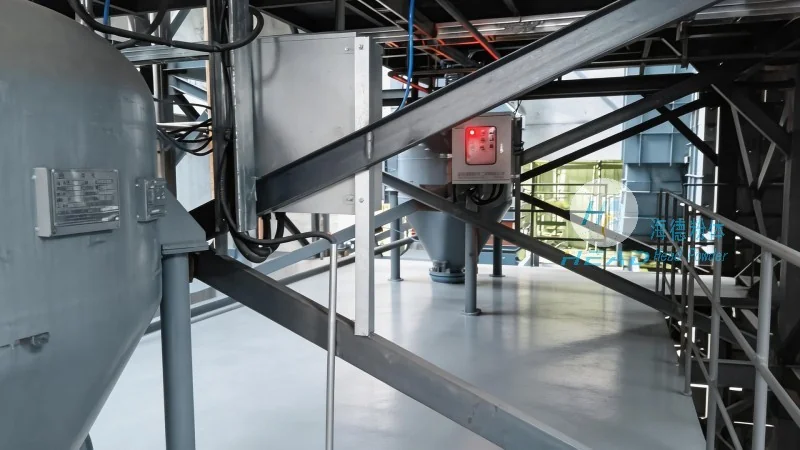
Automatic material feeding pneumatic conveying systems find extensive applications across various industries. In the food processing industry, they are used to transport ingredients like flour, sugar, and spices, ensuring a hygienic and efficient process. In the pharmaceutical sector, these systems are critical for handling active pharmaceutical ingredients (APIs) and other sensitive materials, where precision and contamination control are non-negotiable. The chemical industry also benefits from these systems, as they can handle corrosive or hazardous materials safely and effectively. The manufacturing industry uses them for transporting raw materials to production lines, improving overall workflow and reducing bottlenecks. The operational benefits extend beyond just material handling; these systems also contribute to improved workplace safety by minimizing dust exposure and reducing the risk of accidents associated with manual material handling. Furthermore, the reliability of the system, with minimal moving parts, results in lower maintenance costs and less downtime, which translates to increased productivity and cost savings for the business.
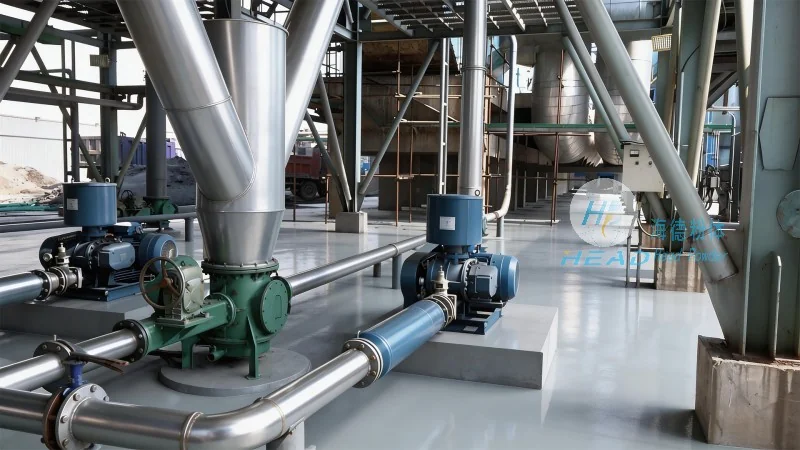
Shandong HeadPowder Engineering Co., Ltd., commonly known as headpowder, is a prominent engineering company specializing in the design, manufacturing, and installation of pneumatic conveying systems and material handling solutions. HeadPowder has built a strong reputation in the industry by delivering high-quality, customized solutions that meet the unique requirements of their clients. The company operates from its headquarters in Shandong, China, where it maintains advanced research and development facilities, ensuring that their products remain at the forefront of technological advancements. HeadPowder’s team of experienced engineers and technicians work closely with clients to understand their specific material handling challenges and develop tailored solutions. The company’s commitment to quality is evident in its adherence to international standards and rigorous testing protocols for all its products. By providing reliable and efficient pneumatic conveying systems, headpowder helps businesses enhance their operational efficiency, improve safety, and reduce long-term costs. Their expertise in the field, combined with a customer-centric approach, makes them a preferred choice for companies seeking advanced material handling solutions.

 Shandong Headpowder Engineering Co., Ltd.
 156-6277-7102(Manager Zhang)
  0531-83386006
  Zhangqiu District, Jinan City, Shandong Province, China
telephone
WeChatconsult
top