With more than 10‑year industry experience, Shandong Headpowder delivers full‑service pneumatic‑conveying systems and blowers, undertaking nationwide turn‑key powder‑handling projects.
In the realm of advanced manufacturing and industrial processing, magnetic powders play a pivotal role in various applications, ranging from magnetic recording media to high-performance magnetic materials. However, handling these materials presents unique engineering challenges due to their fine particle size, high density, and potential environmental hazards. Traditional mechanical conveying methods, such as screw conveyors or belt conveyors, often fall short when dealing with magnetic powders. They can cause material degradation, generate excessive dust, and pose significant safety risks due to the material's magnetic properties. Consequently, industries require specialized solutions to ensure efficient, clean, and safe material transfer. This is where advanced material conveying technologies become essential. Among these, magnetic powder pneumatic conveying has emerged as the superior choice for many industrial applications, offering a closed-loop system that minimizes contamination and maximizes efficiency.
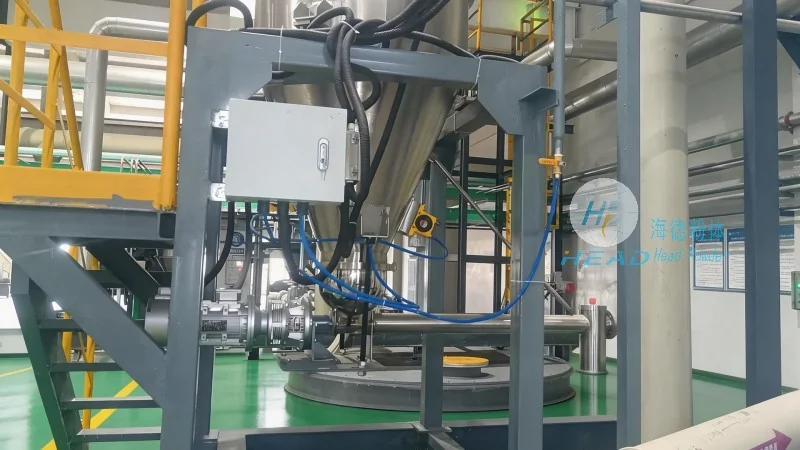
When discussing the various magnetic powder conveying methods, pneumatic conveying systems stand out as the industry standard for handling fine, dry, and potentially hazardous powders. Unlike mechanical methods, pneumatic conveying uses a gas stream, typically air or nitrogen, to transport the material through a pipeline. This method is particularly effective for magnetic powders because it allows for the complete containment of the material. By eliminating open handling, it prevents the release of toxic or explosive dust into the atmosphere, which is a critical requirement in many industrial settings. The magnetic powder pneumatic conveying process ensures that the material remains within the pipeline from the source hopper to the destination silo, providing a safe and controlled environment for the transfer.
The mechanism of a magnetic powder pneumatic conveying system is based on the principle of fluidization and drag force. The system is designed to push or pull the magnetic powder through a network of pipes using compressed air. There are generally two main operational modes: positive pressure and negative pressure. In a positive pressure system, the material is pushed from the source to the destination, which is ideal for longer distances. Conversely, a negative pressure system pulls the material toward a vacuum source, which is excellent for preventing leaks and maintaining a clean environment. The engineering design of these systems involves precise calculations regarding air-to-material ratio, pressure drop, and pipe diameter to ensure that the powder is transported without clogging or settling. This technical sophistication is what makes magnetic powder conveying reliable and consistent.
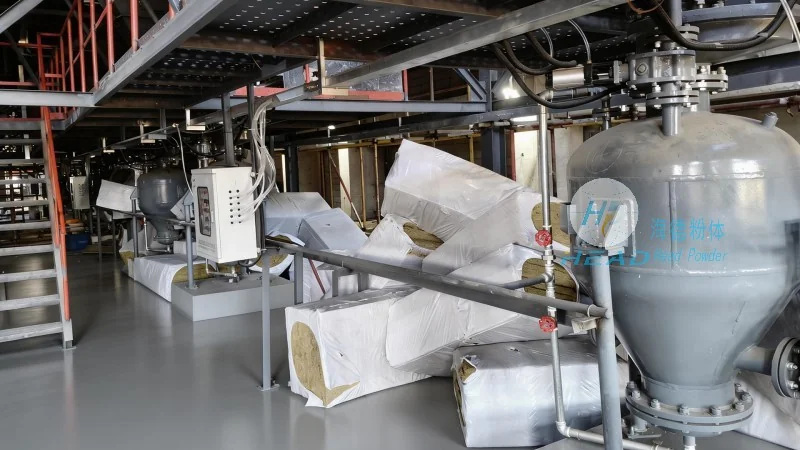
Implementing a magnetic powder pneumatic conveying system offers a multitude of benefits over traditional handling methods. One of the primary advantages is the reduction of cross-contamination. Since the system is fully enclosed, there is no risk of external contaminants entering the material stream. Furthermore, pneumatic conveying significantly reduces dust pollution, which is a major concern when handling fine magnetic powders that can be inhaled or cause respiratory issues. The system also reduces wear and tear on the material itself; unlike mechanical conveyors that can grind or shear fragile particles, pneumatic transport is gentle, preserving the integrity and quality of the magnetic powder. Additionally, these systems are highly automated, reducing the need for manual labor and lowering operational costs in the long run. This makes magnetic powder conveying a smart investment for modern industrial facilities.
For companies seeking a reliable solution for magnetic powder conveying, selecting the right engineering partner is crucial. Shandong Headpowder Engineering Co., Ltd. is a specialized company dedicated to the research, development, and manufacturing of high-quality pneumatic conveying systems. Based in Shandong, China, the company has established itself as a leader in the field of bulk material handling. Headpowder understands the specific nuances of handling magnetic materials and provides tailored solutions that meet stringent industrial standards. Their expertise spans the entire spectrum of magnetic powder conveying, from initial feasibility studies to system installation and after-sales support. By leveraging advanced engineering principles, Headpowder ensures that their clients receive systems that are not only efficient but also durable and easy to maintain.
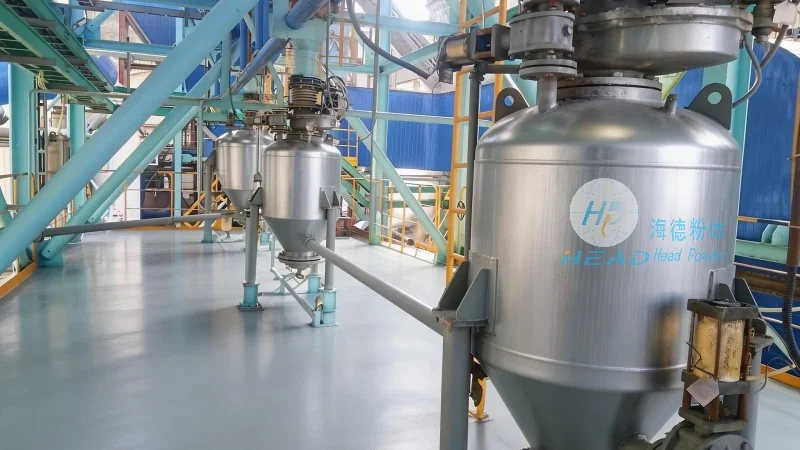
To fully understand magnetic powder conveying methods, it is important to explore the different types of systems available. The most common classification is based on the density of the material flow. Dilute phase conveying is used for lighter materials and shorter distances, where the air velocity is high enough to keep the particles suspended. However, for magnetic powders, which can be heavy and dense, dilute phase may not always be the most efficient. Dense phase conveying is often preferred for magnetic powders because it uses lower velocities and higher pressures to transport the material in slug form. This method reduces wear on the pipeline and saves energy. Another variation is the vacuum conveying system, which is particularly useful for applications where contamination must be strictly avoided. Headpowder Engineering specializes in designing these diverse systems to match the specific logistical needs of the client.
Choosing the appropriate magnetic powder conveying method depends on several factors, including the distance between the source and destination, the volume of material to be conveyed, and the specific properties of the magnetic powder. A professional engineering team will analyze these variables to recommend the optimal system configuration. For instance, if the distance exceeds 200 meters, a dense phase system might be necessary to prevent excessive wear. If the powder is highly corrosive or flammable, the system design must include specialized filtration and inert gas options. Shandong Headpowder Engineering Co., Ltd. offers comprehensive consultation services to help clients navigate these complexities. Their team of experts ensures that every magnetic powder conveying project is designed for maximum performance and safety.
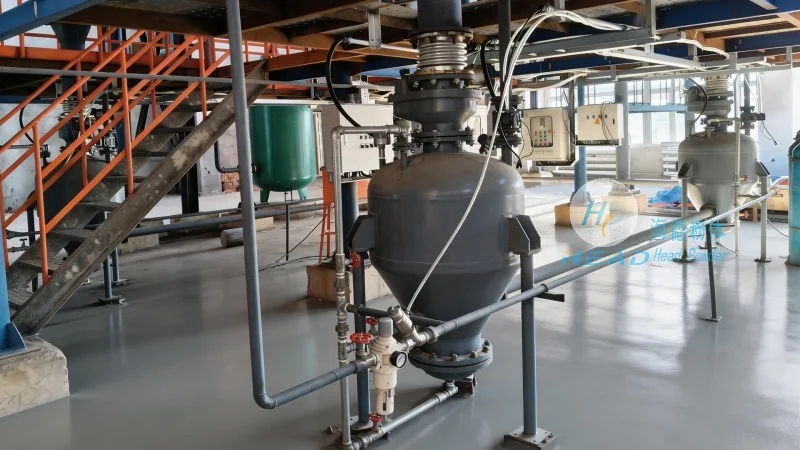
Shandong Headpowder Engineering Co., Ltd. distinguishes itself through its commitment to quality and innovation. The company utilizes state-of-the-art technology in the design of its magnetic powder pneumatic conveying systems. Their products are built to withstand the harsh conditions often found in industrial environments, ensuring long service life and minimal downtime. Furthermore, Headpowder provides comprehensive technical documentation and training for operators, ensuring that the system is used correctly and efficiently. Whether for a small-scale laboratory setup or a large-scale industrial plant, Headpowder delivers customized solutions that integrate seamlessly into existing production lines. Their focus on material conveying excellence makes them the go-to partner for businesses looking to upgrade their material handling infrastructure.
Investing in a high-quality magnetic powder conveying system is a significant decision that can enhance your production capabilities. If you are looking for a trusted partner to design and supply a pneumatic conveying system, Shandong Headpowder Engineering Co., Ltd. is ready to assist you. Their team of experienced engineers is dedicated to providing solutions that are tailored to your specific operational requirements. To discuss your project needs or to obtain a detailed quote, please contact Manager Zhang at the company. You can reach them via WeChat at 15662777102. Headpowder looks forward to collaborating with you to optimize your material handling processes and achieve operational excellence.

 Shandong Headpowder Engineering Co., Ltd.
 156-6277-7102(Manager Zhang)
  0531-83386006
  Zhangqiu District, Jinan City, Shandong Province, China
telephone
WeChatconsult
top