

Working Principle and Features of Bulk Bag Material Handling
Bulk bag material handling, also commonly referred to as super sacks or flexible intermediate bulk containers (FIBCs), represents a highly efficient method for transporting and storing large quantities of bulk materials. This technology has become increasingly popular across various industries due to its cost-effectiveness, space-saving design, and ease of handling. Understanding the working principle and distinctive features of bulk bag handling systems is essential for businesses seeking to optimize their material handling processes.
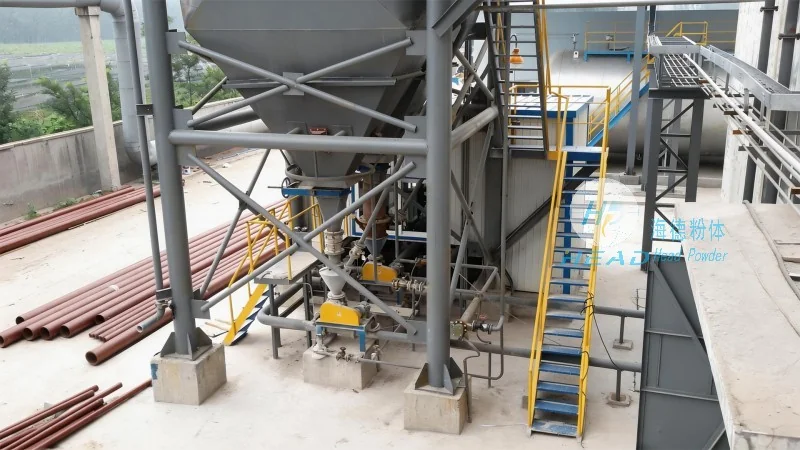
The Working Principle of Bulk Bag Material Handling Systems
The core of bulk bag handling involves several key steps that ensure the safe and efficient transfer of materials. The process typically begins with the loading of the bulk bag, which is often done using specialized equipment such as bulk bag fillers or manual loading methods. Once the bag is filled to the desired capacity, it is then sealed to prevent spillage or contamination. The sealed bulk bag is then transferred to a discharge point, where it is opened to release the material. This discharge can be facilitated through various mechanisms, including bottom spouts, top openings, or even automated systems that use air pressure or vacuum to control the flow of material. The entire process is designed to minimize human intervention, reduce labor costs, and enhance operational safety.
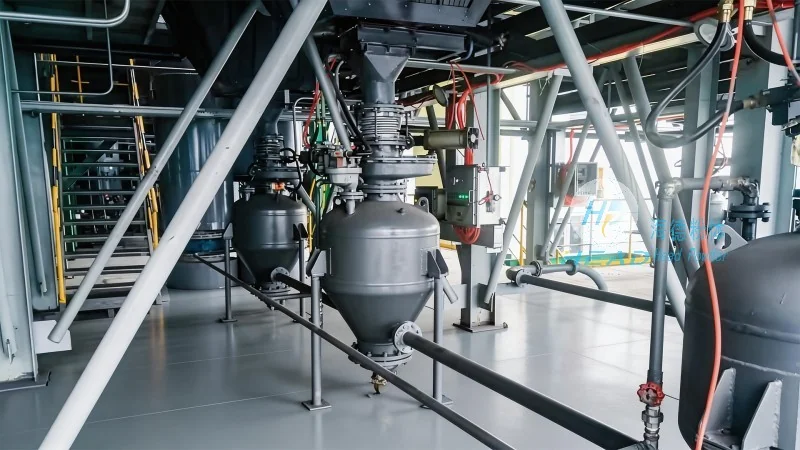
Key Features of Bulk Bag Material Handling Solutions
Bulk bag handling systems offer a range of features that make them an attractive choice for industrial applications. One of the most notable features is their ability to handle large volumes of material in a compact form. A single bulk bag can hold up to several tons of material, significantly reducing the number of containers needed compared to traditional methods like drums or boxes. This not only saves storage space but also lowers transportation costs. Additionally, bulk bags are made from durable, lightweight materials such as polypropylene or nylon, which are resistant to moisture, chemicals, and punctures, ensuring the integrity of the material during transit. The flexible nature of these bags allows for easy handling, as they can be lifted using forklifts or specialized lifting devices, and can be stacked for efficient storage. Another important feature is the ease of discharge. Many bulk bags are equipped with bottom spouts that can be opened to allow controlled release of the material, preventing waste and ensuring precise dosing. This feature is particularly beneficial in applications where accurate measurement and consistent flow are critical, such as in pharmaceutical or food processing industries.
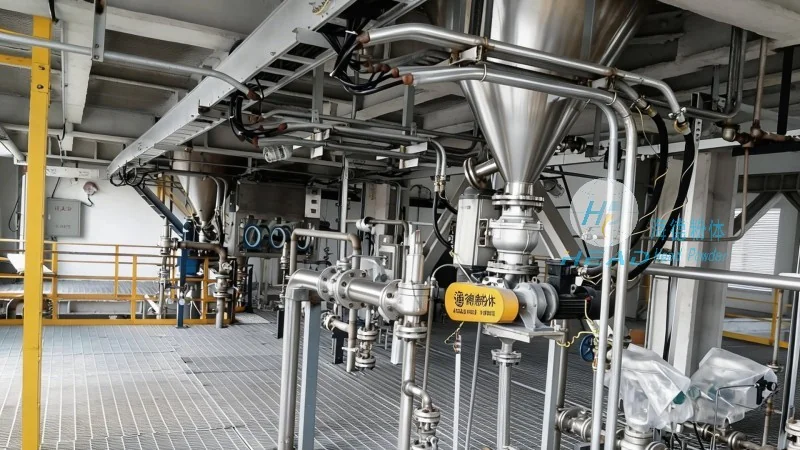
Applications and Industries Benefiting from Bulk Bag Handling
Bulk bag handling technology is widely used across numerous industries, including construction, agriculture, food processing, pharmaceuticals, and chemical manufacturing. In the construction industry, bulk bags are commonly used to transport sand, gravel, and cement, providing a convenient and cost-effective way to handle large quantities of building materials. In agriculture, they are used to store and transport grain, fertilizer, and other agricultural products, helping farmers and distributors manage their inventory efficiently. The food processing industry benefits from the hygienic design of bulk bags, which are often made from food-grade materials and can be easily cleaned and sanitized. Similarly, the pharmaceutical industry relies on the precision and cleanliness of bulk bag handling systems to ensure the quality and safety of its products. In chemical manufacturing, bulk bags are used to transport hazardous materials, with features such as reinforced seams and leak-proof designs to prevent accidents and environmental contamination.
Advantages of Bulk Bag Material Handling Over Traditional Methods
Compared to traditional material handling methods, bulk bag systems offer several advantages that make them a superior choice for many applications. First, they significantly reduce labor costs. The automated nature of bulk bag handling, from loading to discharge, minimizes the need for manual labor, which is both time-consuming and expensive. This leads to increased productivity and lower operational expenses. Second, bulk bags are more cost-effective in terms of transportation and storage. Their lightweight and compact design reduces shipping costs, as fewer bags are needed to transport the same volume of material. Additionally, the ability to stack bulk bags vertically maximizes warehouse space, eliminating the need for additional storage areas. Third, bulk bag handling enhances safety in the workplace. The sealed design of the bags prevents dust and particles from escaping, reducing the risk of respiratory issues and other health hazards. The controlled discharge mechanisms also minimize the risk of spills and accidents, creating a safer working environment. Finally, bulk bags are more environmentally friendly than traditional containers. They are reusable and can be recycled, reducing the amount of waste generated in industrial settings.
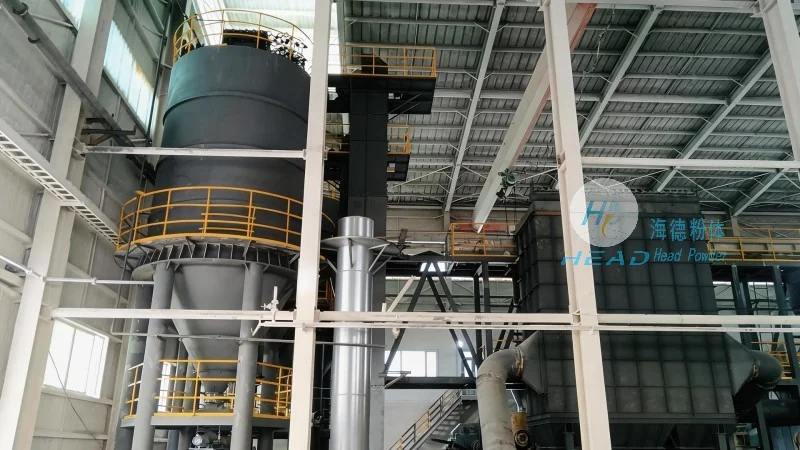
Customization and Integration with Existing Systems
One of the key strengths of bulk bag handling solutions is their adaptability to various industrial needs. Companies like Shandong HeadPowder Engineering Co., Ltd. specialize in designing and manufacturing customized bulk bag handling systems that can be integrated with existing equipment and processes. These systems can be tailored to handle specific materials, such as powders, granules, or liquids, and can be equipped with features like automatic filling, level sensors, and discharge controls. The flexibility of bulk bag handling allows businesses to adapt to changing production demands and improve their overall operational efficiency. By working with a reputable manufacturer like Shandong HeadPowder, companies can ensure that their bulk bag handling systems are optimized for their specific applications, providing long-term benefits and cost savings.