With more than 10‑year industry experience, Shandong Headpowder delivers full‑service pneumatic‑conveying systems and blowers, undertaking nationwide turn‑key powder‑handling projects.
Copper powder is a fundamental material in modern industry, playing a critical role in sectors such as electronics, battery manufacturing, and advanced metallurgy. Due to its high electrical and thermal conductivity, it is indispensable for creating conductive pastes, anodes for lithium-ion batteries, and intricate electronic components. However, handling this material presents significant engineering challenges. Unlike bulk solids like grains or pellets, copper powder is extremely fine, prone to oxidation, and highly sensitive to electrostatic discharge. Consequently, the method of transport must be precise, controlled, and safe. This is where specialized **copper powder conveying** systems become essential. Ensuring the integrity of the powder during transit is not just a logistical requirement but a safety and quality imperative.
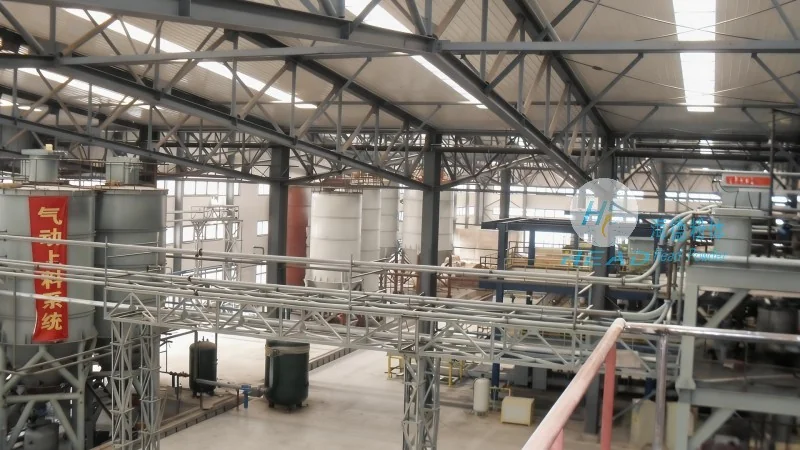
Traditional mechanical conveying methods, such as belt conveyors or screw conveyors, often fall short when dealing with fine metal powders. These methods can generate excessive friction, leading to static electricity buildup, which poses a severe fire and explosion risk. Furthermore, they are prone to leakage and dust pollution, compromising the purity of the product. To overcome these limitations, the industry has turned to pneumatic conveying solutions. This technology offers a sealed environment that protects the copper powder from moisture and oxygen, ensuring the material retains its chemical properties and performance specifications throughout the supply chain.
When discussing **copper powder conveying**, it is crucial to understand the specific physical properties that dictate system design. Copper powder is lightweight and has a low angle of repose, meaning it tends to flow freely. While this might seem advantageous, it actually makes it difficult to control flow rates and prevents the formation of stable piles in hoppers. More critically, the fine particle size increases the risk of dust explosion, which is classified as a Class St-1 or St-2 hazard depending on the concentration. A robust **material conveying** system must therefore incorporate advanced dust extraction and explosion suppression mechanisms.
Another major concern is the oxidation of the powder. Copper is reactive and can oxidize rapidly when exposed to air, especially at high temperatures. Oxidation degrades the powder's electrical conductivity, rendering it useless for high-end applications. Therefore, any effective conveying system must operate in a closed-loop configuration. This ensures that the copper powder is never exposed to the ambient atmosphere during the transfer process. By maintaining a positive or negative pressure within the pipeline, the system prevents external air from entering, thereby preserving the material's quality and extending its shelf life.
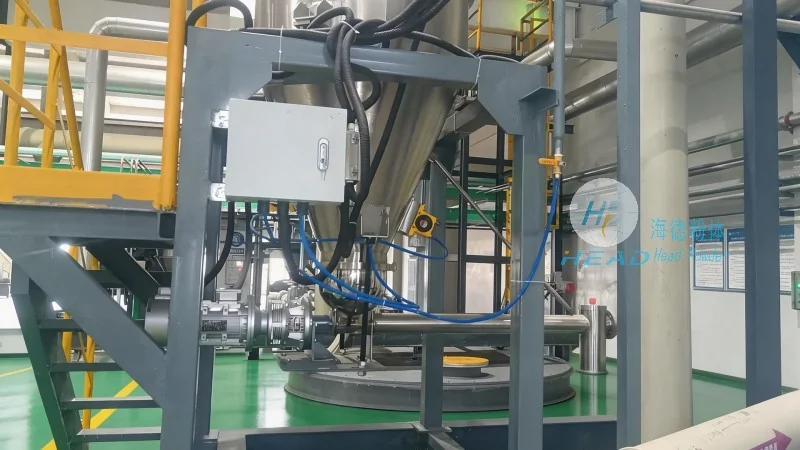
Shandong Headpowder Engineering Co., Ltd. has established itself as a leading expert in the field of fine powder handling. As a specialized provider of **copper powder conveying** and **copper powder pneumatic conveying** systems, the company understands that a one-size-fits-all approach does not exist in powder engineering. Every client has unique requirements based on their production scale, facility layout, and specific powder characteristics. Headpowder specializes in designing custom-engineered systems that address these specific nuances, ensuring optimal performance and safety.
The company’s technical approach to **copper powder pneumatic conveying** focuses on minimizing wear and energy consumption while maximizing throughput. Utilizing state-of-the-art control valves and flow meters, Headpowder systems can adjust the air-to-material ratio in real-time. This precision allows for the gentle handling of the powder, preventing compaction or degradation. Whether the application requires a dilute-phase system for short distances or a dense-phase system for long distances and fragile powders, Headpowder engineers tailor the solution to fit the operational demands. Their expertise in **material conveying** extends to designing modular systems that are easy to integrate into existing production lines, reducing downtime during installation and commissioning.
What sets Headpowder apart in the competitive landscape of powder handling is its commitment to safety and reliability. The **copper powder conveying** systems developed by Shandong Headpowder Engineering Co., Ltd. are equipped with comprehensive safety features. These include explosion-proof motors, inert gas purging capabilities, and advanced dust collectors that capture any fine particles escaping the system. By adhering to international safety standards, the company ensures that their **copper powder pneumatic conveying** solutions provide a secure environment for operators and facilities alike.
Furthermore, the durability of the equipment is a hallmark of Headpowder’s design philosophy. Copper powder is abrasive, and standard pipes can wear out quickly, leading to leaks and maintenance issues. Headpowder utilizes wear-resistant materials and specialized pipe geometries to extend the lifespan of the conveying lines. This focus on longevity reduces the total cost of ownership for clients. The company also provides comprehensive after-sales service and technical support, ensuring that the **material conveying** system operates at peak efficiency throughout its operational life.
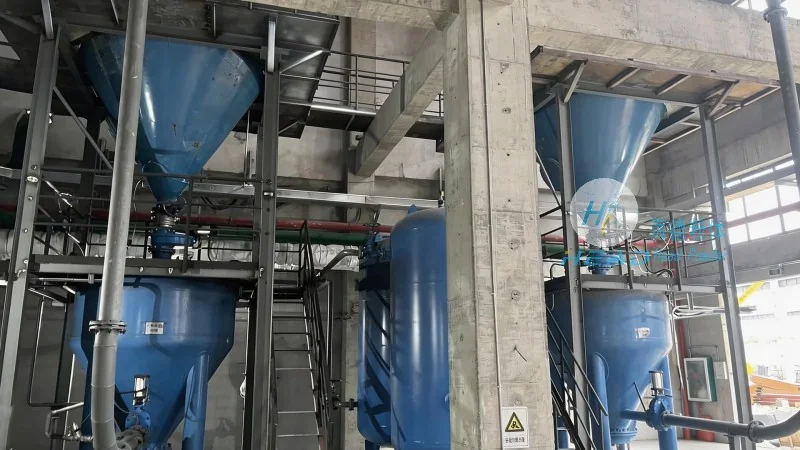
Choosing the right partner for **copper powder conveying** is a decision that impacts the entire production process. Shandong Headpowder Engineering Co., Ltd. offers more than just equipment; they provide a complete engineering solution. Their team of experienced engineers conducts thorough site surveys and analyzes the specific properties of the copper powder to recommend the most efficient conveying method. Whether the goal is to automate a manual process or to upgrade an outdated system, Headpowder delivers results that enhance productivity and product quality.
The company’s dedication to innovation is evident in their continuous research and development efforts. They stay at the forefront of pneumatic conveying technology, incorporating the latest advancements to improve energy efficiency and system automation. For businesses looking to optimize their powder handling processes, Headpowder represents a trusted and capable partner. Their solutions are designed to handle the complexities of **copper powder conveying** with ease, providing a seamless transition from storage to processing.
If you are looking for a reliable and efficient **copper powder conveying** solution, Shandong Headpowder Engineering Co., Ltd. is ready to assist you. Based in Shandong, China, the company serves clients both domestically and internationally, offering top-tier **copper powder pneumatic conveying** technology. To discuss your specific requirements or to request a consultation, please contact Manager Zhang. He can be reached via WeChat at 15662777102. Manager Zhang and his team are dedicated to providing the technical expertise and support needed to implement a successful **material conveying** system for your business.

 Shandong Headpowder Engineering Co., Ltd.
 156-6277-7102(Manager Zhang)
  0531-83386006
  Zhangqiu District, Jinan City, Shandong Province, China
telephone
WeChatconsult
top