With more than 10‑year industry experience, Shandong Headpowder delivers full‑service pneumatic‑conveying systems and blowers, undertaking nationwide turn‑key powder‑handling projects.
Fish meal is a highly valuable and nutrient-dense ingredient used extensively in animal feed and aquaculture. Due to its high protein content and specific physical properties, handling fish meal requires specialized equipment and precise engineering. Improper handling can lead to product degradation, dust pollution, and significant financial losses. Therefore, selecting the correct method for fish meal transport is paramount for any facility processing or utilizing this premium raw material. The industry has evolved significantly, moving away from traditional mechanical methods toward more sophisticated pneumatic solutions to ensure product integrity.
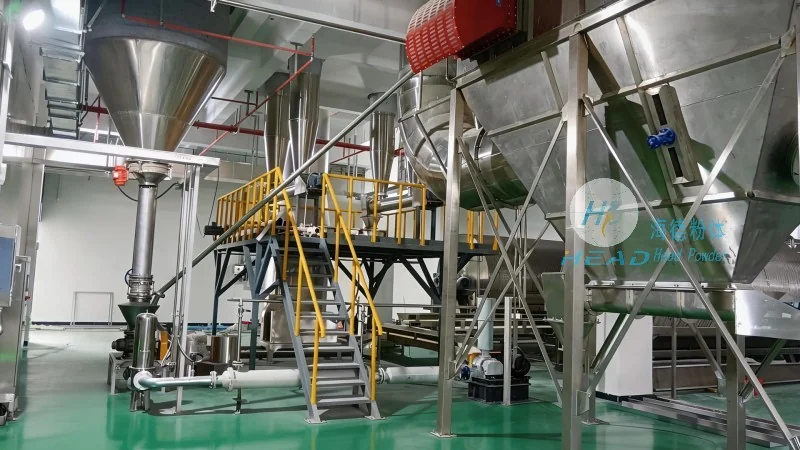
When considering the logistics of moving bulk dry powder, the focus shifts to efficiency and hygiene. Shandong Headpowder Engineering Co., Ltd. understands these challenges deeply. As a specialized engineering firm based in Shandong, China, the company has developed a reputation for delivering robust and efficient systems tailored to the unique needs of the feed industry. Their expertise lies in bridging the gap between raw material handling and finished product distribution, ensuring that the valuable fish meal reaches its destination in optimal condition.
Historically, the fish meal transport process often relied on mechanical conveyors such as screw conveyors or belt conveyors. While these systems are simple in design, they present several inherent drawbacks. Screw conveyors, for instance, can cause excessive friction and heat generation, which may alter the nutritional profile of the fish meal. Furthermore, mechanical conveyors are prone to leakage. Dust generated during the transport process not only poses a serious health hazard to workers but also leads to product loss. Dust can also contaminate other parts of the production line, creating cross-contamination risks that are unacceptable in high-quality feed manufacturing.
In contrast, pneumatic conveying has emerged as the superior standard for fish meal transport. This method utilizes air pressure to move the material through a closed pipeline system. By eliminating the need for open chutes and rotating mechanical parts, pneumatic systems drastically reduce dust emissions. This closed-loop system preserves the purity of the fish meal, maintaining its freshness and preventing oxidation. For a company like Headpowder, which specializes in advanced fish meal pneumatic conveying, this technology represents the pinnacle of modern material handling.
Pneumatic conveying is not a one-size-fits-all solution. It requires a nuanced understanding of fluid dynamics and material behavior. Shandong Headpowder Engineering Co., Ltd. offers a comprehensive range of pneumatic solutions designed to handle the specific nuances of fish meal transport. The two primary categories of pneumatic conveying are dilute phase and dense phase, each with distinct advantages depending on the distance and volume of the material.
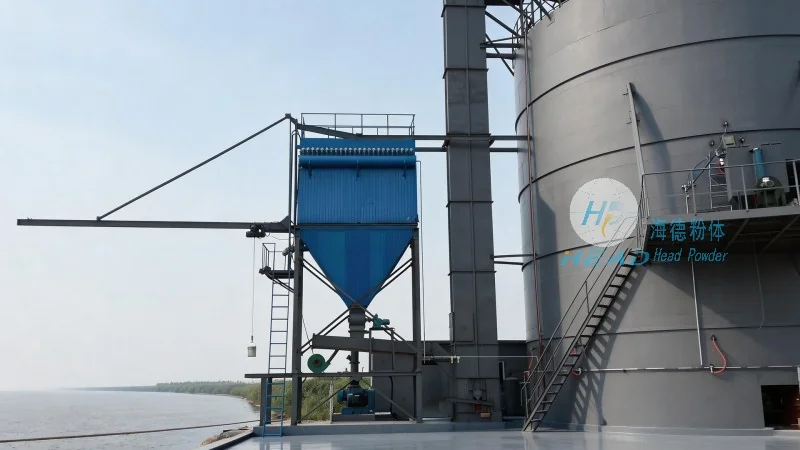
Dilute phase conveying is generally used for shorter distances and high flow rates. In this system, the material is suspended in a high-velocity stream of air. While effective for moving large quantities quickly, the high velocity can cause wear and tear on the pipeline, particularly if the fish meal is abrasive. Dense phase conveying, on the other hand, is ideal for longer distances and bulkier loads. It utilizes lower velocities and higher pressures to push the material in a slug-like motion. This method significantly reduces wear and tear, making it a preferred choice for durable fish meal pneumatic conveying systems that require longevity and low maintenance.
Fish meal possesses a unique set of physical characteristics, including varying granule sizes, potential moisture content, and a tendency to clump. Standard material transport systems often struggle with these variables, leading to blockages and inconsistent flow rates. Headpowder addresses these challenges through innovative engineering. Their systems are equipped with specialized feeding devices, such as rotary valves and screw feeders, designed to handle the erratic flow of fish meal without bridging or rat-holing.
Moreover, the company places a strong emphasis on the cleanliness of the system. In the food and feed industry, hygiene is non-negotiable. The pipelines used in Headpowder's systems are designed for easy cleaning and sterilization. By utilizing a fully enclosed fish meal transport process, the risk of microbial contamination is virtually eliminated. This ensures that the fish meal retains its high protein value and safety standards from the silo to the final mixing tank.
Choosing the right partner for fish meal transport is a critical decision that impacts the entire supply chain. Shandong Headpowder Engineering Co., Ltd. stands out in the market due to its commitment to quality and technical excellence. The company does not just sell equipment; they provide engineering solutions. Their team of experts conducts thorough site assessments to understand the specific layout and requirements of the client's facility. Whether it is a small-scale processing plant or a large industrial complex, the fish meal pneumatic conveying systems are customized to fit seamlessly into existing operations.
The durability of Headpowder's equipment is another key selling point. Utilizing high-grade materials and precision manufacturing, their systems are built to withstand the harsh conditions of industrial environments. This reliability translates to reduced downtime and lower operational costs for the client. By optimizing the material transport process, Headpowder helps clients achieve higher throughput and better resource management.
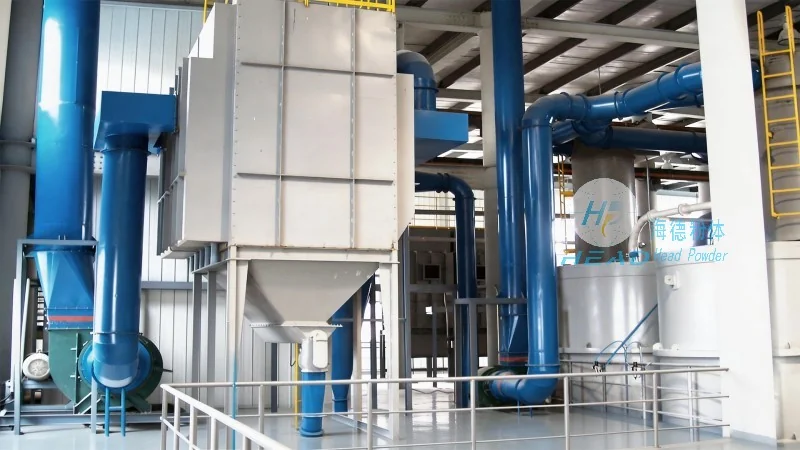
As the global demand for high-quality animal feed continues to rise, the efficiency of raw material handling will become even more critical. The shift towards automated and dust-free processing is irreversible. Shandong Headpowder Engineering Co., Ltd. is at the forefront of this transition, continuously innovating to meet the evolving needs of the industry. Their focus remains on providing reliable, efficient, and hygienic fish meal transport solutions that drive productivity and sustainability.
Investing in a professional pneumatic conveying system is not merely a purchase of machinery; it is an investment in the quality and safety of the final product. With Headpowder's expertise, clients can rest assured that their fish meal pneumatic conveying needs are in capable hands. The company's dedication to customer satisfaction ensures that every project, regardless of complexity, is executed with precision and professionalism.
For facility managers and engineers seeking to upgrade their material handling capabilities, the first step is to consult with industry experts. Shandong Headpowder Engineering Co., Ltd. is ready to provide detailed consultations and technical support. Their team is dedicated to helping you find the perfect balance between efficiency, cost, and reliability in your fish meal transport operations.
If you are looking for a trusted partner to design and implement a state-of-the-art fish meal pneumatic conveying system, please do not hesitate to reach out. Contact Manager Zhang today to discuss your specific requirements. Manager Zhang and the Headpowder team are ready to guide you through the selection process and ensure a successful implementation of your material transport project.

 Shandong Headpowder Engineering Co., Ltd.
 156-6277-7102(Manager Zhang)
  0531-83386006
  Zhangqiu District, Jinan City, Shandong Province, China
telephone
WeChatconsult
top