With more than 10‑year industry experience, Shandong Headpowder delivers full‑service pneumatic‑conveying systems and blowers, undertaking nationwide turn‑key powder‑handling projects.
For industrial applications requiring efficient material handling, polyethylene pneumatic conveying systems offer a reliable solution. These systems are designed to transport polyethylene materials through an enclosed pipeline using air or other gases as the conveying medium. The technology has evolved to meet the demands of various industries, including manufacturing, packaging, and chemical processing, where the need for clean, dust-free, and efficient material transport is paramount.
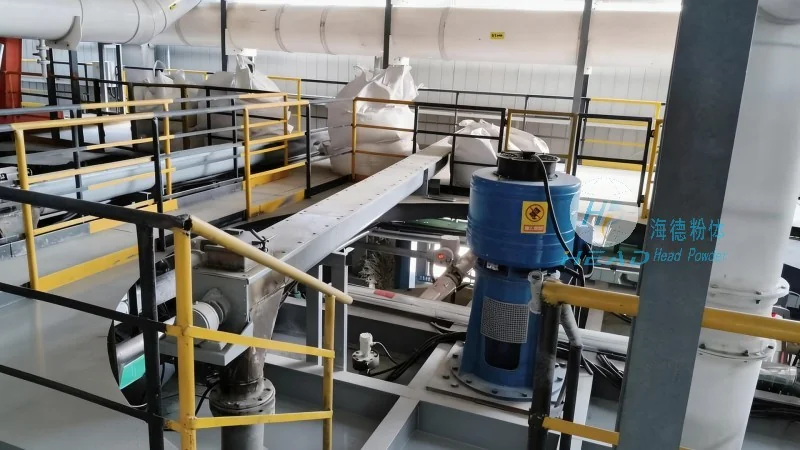
The core components of a polyethylene pneumatic conveying system include the hopper, feeder, pipeline, and receiver. The hopper serves as the storage container for the polyethylene material, ensuring a consistent feed. The feeder, typically a rotary valve or a screw feeder, regulates the flow of material into the pipeline. The pipeline is the main conduit for transporting the material, often made from materials resistant to polyethylene, such as stainless steel or specialized plastics. The receiver collects the conveyed material at the destination point, completing the transport process.
The operation of a polyethylene pneumatic conveying system relies on the principle of air movement. When air is introduced into the pipeline, it creates a pressure differential that propels the polyethylene particles forward. The system can operate in either positive or negative pressure modes. In positive pressure systems, air is blown into the pipeline, pushing the material. In negative pressure systems, air is drawn out, creating a vacuum that pulls the material. The choice between these modes depends on the material characteristics, pipeline length, and system requirements. The system is designed to maintain a consistent flow rate, ensuring that the polyethylene material is transported efficiently without clogging or degradation.
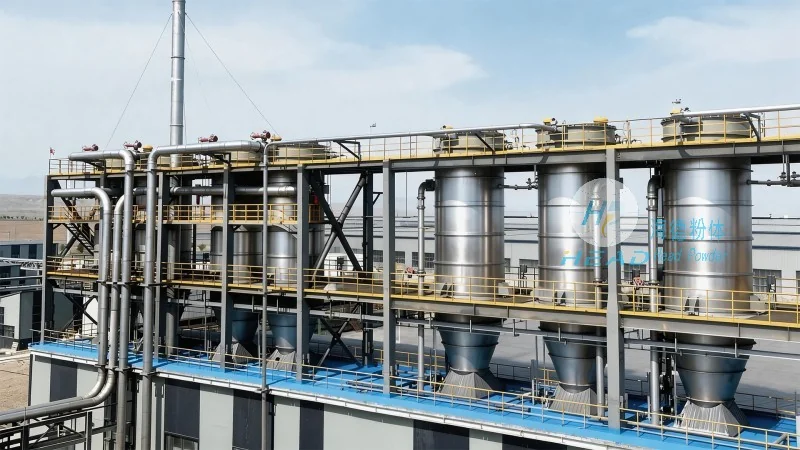
Polyethylene pneumatic conveying systems offer several advantages over traditional material handling methods. They provide a clean and dust-free environment, which is crucial for maintaining product quality and safety standards. The enclosed pipeline prevents contamination and reduces the risk of material loss. Additionally, these systems are flexible and can be easily integrated into existing production lines. They also offer high efficiency in terms of material transport speed and minimal downtime. The ability to handle various polyethylene grades and sizes makes them versatile for different industrial applications.
Polyethylene pneumatic conveying systems are widely used in industries that handle polyethylene materials. In the manufacturing sector, they are employed in the production of plastic products, where the need to transport raw materials and finished goods is essential. The packaging industry utilizes these systems for transporting polyethylene films and sheets to packaging lines. In chemical processing, they help in moving polyethylene pellets and powders between processing stages. The systems are also used in recycling facilities to transport recycled polyethylene materials, contributing to sustainable industrial practices.
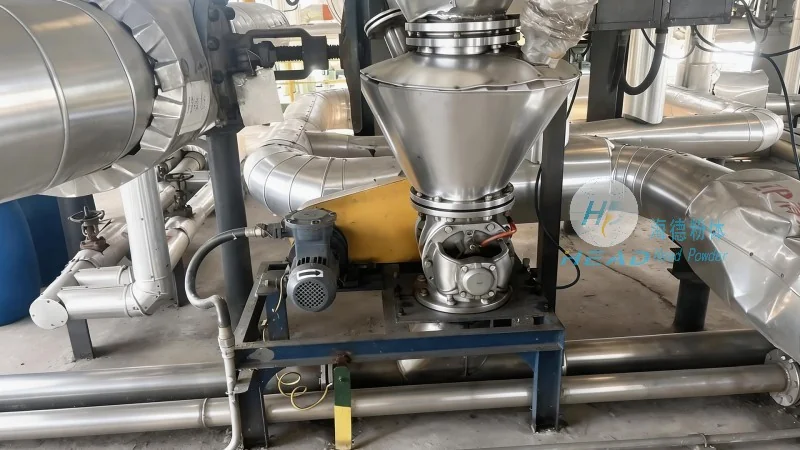
Proper maintenance is critical to ensure the longevity and efficiency of polyethylene pneumatic conveying systems. Regular cleaning of the pipeline and components is necessary to prevent material buildup and clogging. The feeder and hopper should be checked for wear and tear, and replaced as needed. The air system, including filters and compressors, requires routine maintenance to maintain optimal performance. Operational considerations include monitoring the pressure and flow rates to ensure the system is running efficiently. Proper training of operators is also essential to handle any issues that may arise during operation. By adhering to these maintenance and operational guidelines, the system can operate at peak performance, minimizing downtime and maximizing productivity.
Shandong HeadPowder Engineering Co., Ltd., commonly known as headpowder, is a leading manufacturer of polyethylene pneumatic conveying systems. With a focus on innovation and quality, the company has established itself as a trusted provider in the industry. Headpowder's products are designed to meet the specific needs of various industrial applications, ensuring reliable and efficient material handling. The company's commitment to customer satisfaction and technical excellence has made it a preferred choice for businesses seeking high-performance polyethylene conveying solutions. Headpowder's facilities are located in Shandong, China, where the company leverages advanced technology and skilled workforce to deliver superior products and services to its global clientele.

 Shandong Headpowder Engineering Co., Ltd.
 156-6277-7102(Manager Zhang)
  0531-83386006
  Zhangqiu District, Jinan City, Shandong Province, China
telephone
WeChatconsult
top