With more than 10‑year industry experience, Shandong Headpowder delivers full‑service pneumatic‑conveying systems and blowers, undertaking nationwide turn‑key powder‑handling projects.
Understanding the working principle of potassium carbonate powder handling equipment is crucial for optimizing material transport processes in industrial settings. The equipment typically operates through a series of mechanical and pneumatic systems designed to move bulk potassium carbonate efficiently and safely. The core mechanism involves the use of conveyor belts, pneumatic conveyors, or screw conveyors, which are tailored to the specific characteristics of the powder, such as its density, flowability, and potential for dust generation. The system begins with the loading of potassium carbonate into a hopper or storage silo. From there, the material is fed into the primary conveying unit, which may utilize air pressure to create a flow of powder through a pipeline. This pneumatic approach is particularly effective for handling fine powders like potassium carbonate, as it minimizes material degradation and reduces the risk of clogging compared to mechanical methods. The conveying process is controlled by a series of valves, regulators, and sensors that ensure consistent flow rates and prevent overloading or underflow. The equipment, designed and manufactured by Shandong HeadPowder Engineering Co., Ltd. (headpowder), incorporates dust collection systems to maintain air quality and comply with environmental regulations, which is essential when handling potassium carbonate, a material that can generate fine particulates during transport.
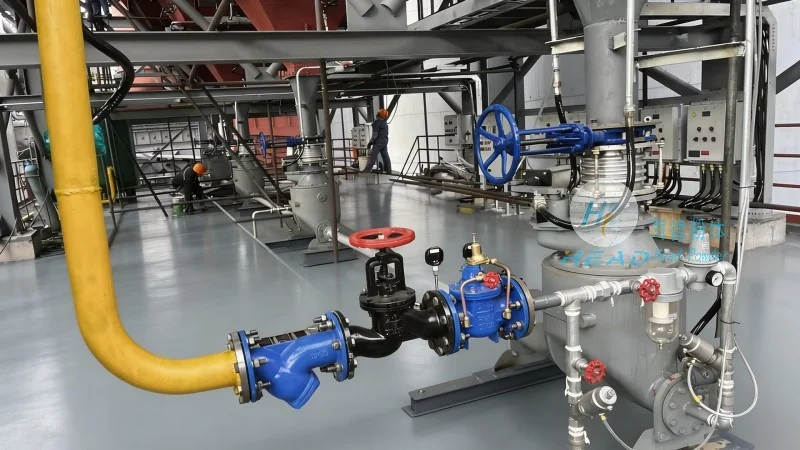
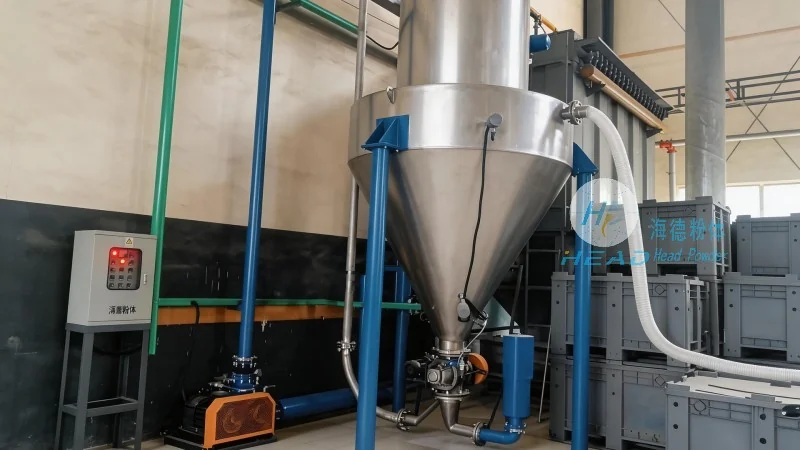
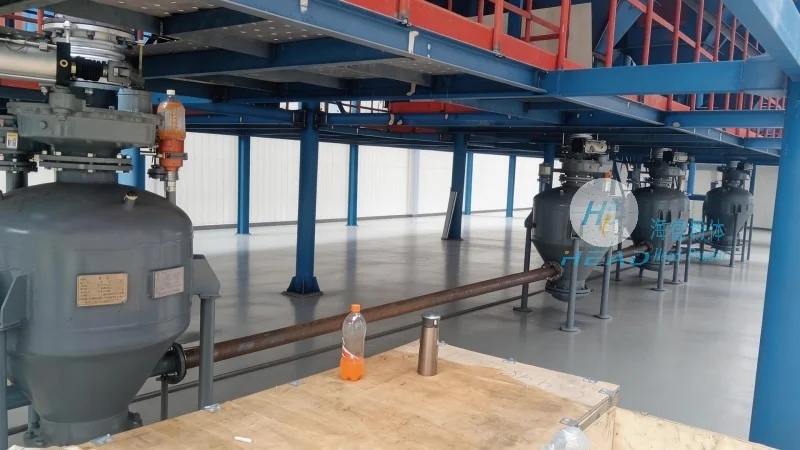
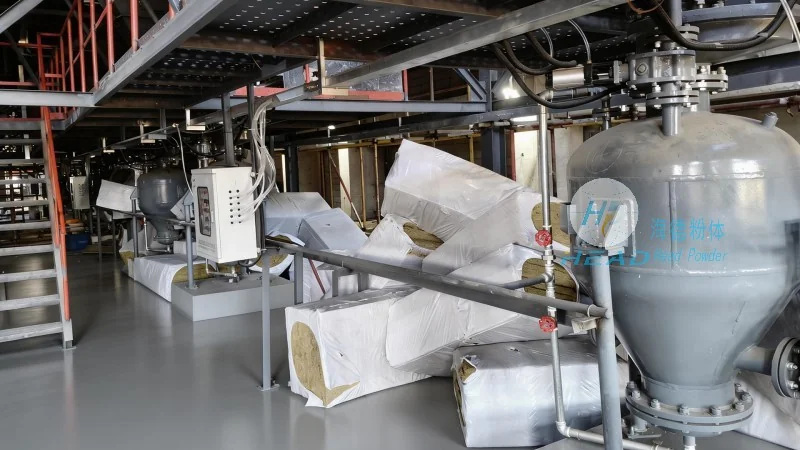
The features of potassium carbonate powder handling equipment are designed to enhance performance, reliability, and safety in industrial applications. One of the primary features is the adjustable flow control, which allows operators to regulate the speed and volume of material transport based on production requirements. This flexibility is critical in processes where varying demand or batch sizes are common. Another important feature is the material's compatibility with the equipment's components, as potassium carbonate can be corrosive or abrasive under certain conditions. High-quality materials, such as stainless steel or specialized coatings, are used in the construction of hoppers, conveyors, and pipelines to ensure durability and prevent contamination. The equipment also includes advanced monitoring systems, including pressure sensors, flow meters, and level indicators, which provide real-time data on the operation status. These features enable proactive maintenance and prevent unexpected downtime. Additionally, the design incorporates explosion-proof and dust-proof measures, which are essential for handling potassium carbonate in environments where fire or explosion risks exist. The equipment's compact and modular design allows for easy integration into existing production lines, reducing installation time and costs. The use of automated controls further enhances operational efficiency, minimizing the need for manual intervention and ensuring consistent performance. The equipment is produced by Shandong HeadPowder Engineering Co., Ltd., a company based in Shandong, China.

 Shandong Headpowder Engineering Co., Ltd.
 156-6277-7102(Manager Zhang)
  0531-83386006
  Zhangqiu District, Jinan City, Shandong Province, China
telephone
WeChatconsult
top