

What is a Capsule Material Handling System Equipment? What are its Design Principles?
Understanding the capsule material handling system equipment and its design principles is crucial for industries that rely on efficient and reliable capsule processing. This article aims to provide a comprehensive overview of such systems, highlighting their components, operational mechanisms, and the underlying design philosophies that ensure optimal performance. The information presented here is based on the expertise of Shandong HeadPowder Engineering Co., Ltd., a leading manufacturer in the field.
Introduction to Capsule Material Handling Systems
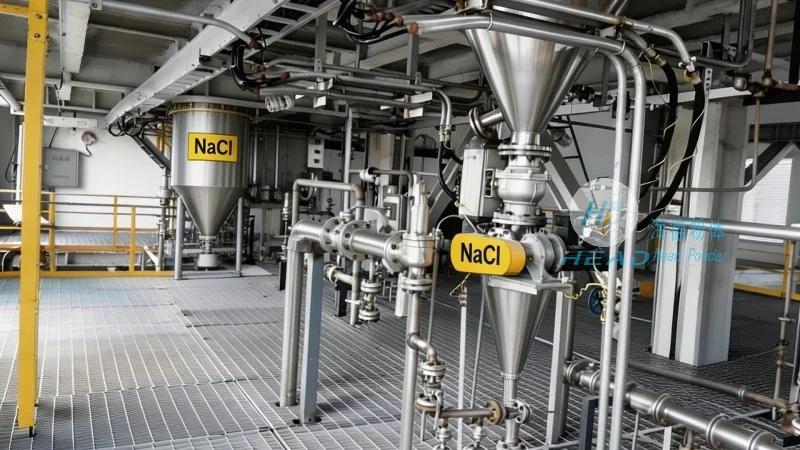
A capsule material handling system is a specialized piece of equipment designed to transport, sort, and manage capsules—typically used in pharmaceutical, nutraceutical, and cosmetic industries. These systems are engineered to handle the delicate nature of capsules while ensuring high throughput and minimal product damage. The primary goal is to streamline the production process, from raw material input to finished product output, by integrating various handling functions into a cohesive unit.
Key Components of a Capsule Material Handling System
The effectiveness of a capsule material handling system is largely determined by its key components, each playing a critical role in the overall operation. These components include:
1. Inlet Hoppers and Feeding Mechanisms: The system begins with an inlet hopper that stores incoming capsules. Feeding mechanisms, such as vibratory feeders or rotary star wheels, ensure a consistent and controlled flow of capsules into the system. This step is vital to prevent jamming and maintain uniformity in the material flow.
2. Conveying Systems: Conveyors, including belt conveyors, chain conveyors, or roller conveyors, are used to transport capsules through different stages of the process. These systems can be customized to handle various capsule sizes and shapes, ensuring smooth movement without causing abrasion or deformation.
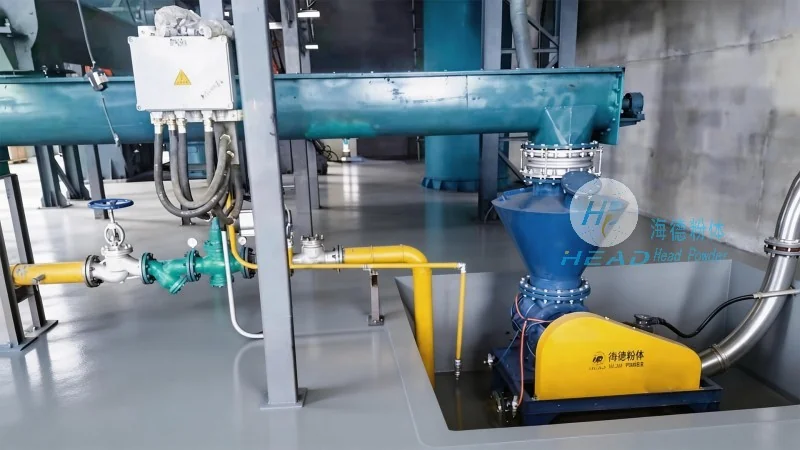
3. Sorting and Orientation Devices: To prepare capsules for subsequent processing steps, sorting and orientation mechanisms are employed. These may include optical sorters, magnetic separators, or mechanical orientors that align capsules in a consistent orientation. This is particularly important for processes like filling, sealing, or packaging, where capsule orientation directly impacts product quality.
4. Control and Monitoring Systems: Modern capsule material handling systems are equipped with advanced control systems, often utilizing programmable logic controllers (PLCs) and human-machine interfaces (HMIs). These systems allow operators to monitor the process in real-time, adjust parameters, and receive alerts for any deviations or malfunctions. This level of automation enhances operational efficiency and reduces downtime.
Design Principles for Optimal Performance
The design of a capsule material handling system is guided by several key principles aimed at maximizing efficiency, reliability, and product integrity. These principles include:
1. Modularity and Scalability: Systems are designed with modular components that can be easily reconfigured or expanded to accommodate changing production needs. This flexibility allows manufacturers to adapt to fluctuations in demand without significant capital investment.
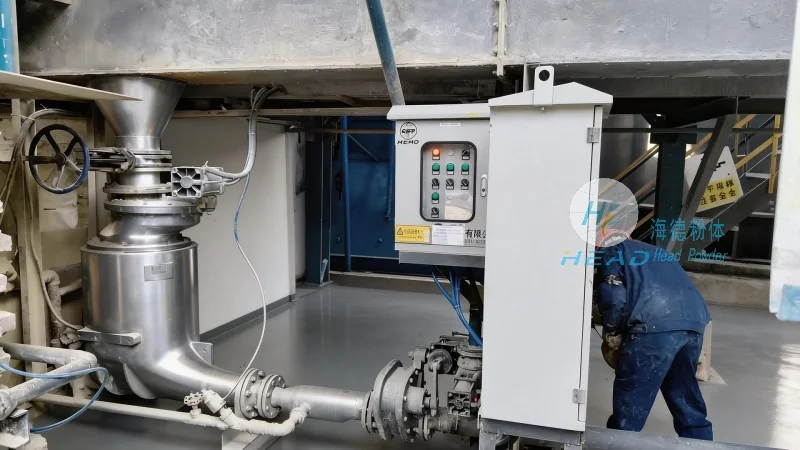
2. Material Compatibility: The materials used in the construction of the system components are carefully selected to ensure compatibility with the capsules being handled. For example, stainless steel is commonly used for its corrosion resistance and hygiene standards, while non-stick coatings may be applied to prevent capsule sticking.
3. Energy Efficiency: Design considerations focus on minimizing energy consumption through efficient motor selection, variable speed drives, and optimized conveyor designs. This not only reduces operational costs but also aligns with sustainability goals in the industry.
4. Safety and Compliance: Systems are engineered to meet stringent safety and regulatory standards, including those related to food and pharmaceutical manufacturing. Features such as emergency stop buttons, interlocked guards, and compliance with cGMP (current Good Manufacturing Practices) are integral to the design.
Operational Benefits of Capsule Material Handling Systems
The implementation of a well-designed capsule material handling system offers numerous benefits to manufacturers. These include:
1. Increased Throughput: By automating the handling process, these systems significantly increase production speed, allowing manufacturers to meet higher demand without compromising quality.
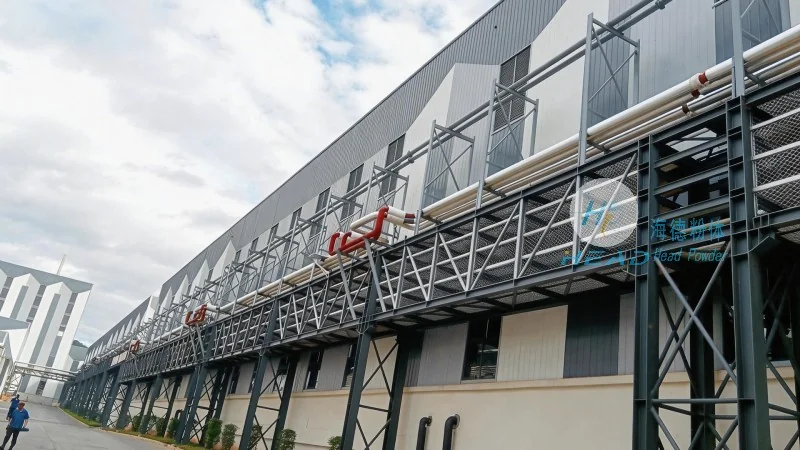
2. Reduced Labor Costs and Labor Intensity: Automation minimizes the need for manual labor in repetitive tasks, reducing labor costs and the risk of human error.
3. Improved Product Quality: Consistent handling and orientation ensure that capsules are processed uniformly, leading to higher product quality and reduced defects.
4. Enhanced Traceability: Integrated control systems enable better tracking of the production process, facilitating compliance with regulatory requirements and enabling quick identification of any issues.
Conclusion
Capsule material handling systems are essential equipment for industries dealing with capsule-based products. By understanding their design principles and components, manufacturers can select or design systems that meet their specific needs, ensuring efficient, reliable, and high-quality production. As technology advances, these systems continue to evolve, incorporating more automation and intelligence to further enhance operational performance. Shandong HeadPowder Engineering Co., Ltd. specializes in providing tailored solutions for such systems, catering to the diverse needs of the pharmaceutical and related industries.