With more than 10‑year industry experience, Shandong Headpowder delivers full‑service pneumatic‑conveying systems and blowers, undertaking nationwide turn‑key powder‑handling projects.
Shandong HeadPowder Engineering Co., Ltd., commonly known as HeadPowder, is a professional manufacturer and supplier specializing in pneumatic conveying systems for industrial applications. The company is headquartered in Shandong, China, and has established a strong reputation in the field of material handling solutions, particularly for aluminum dross and similar high-value waste materials.
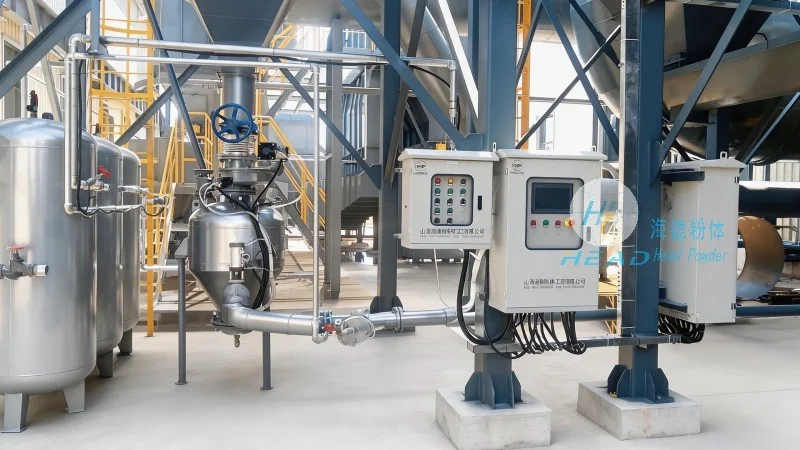
Aluminum dross, a byproduct of aluminum smelting and processing, requires efficient and reliable transportation methods to ensure proper handling and recycling. Pneumatic conveying systems are widely used for this purpose, and they can be classified into several types based on their operational principles and characteristics. The primary classifications include:
Dilute phase systems are designed for low to moderate material flow rates and are suitable for long-distance transportation. They operate by using a high-velocity air stream to suspend and transport the material particles. This method is ideal for applications where the material is light and has a relatively low bulk density. The system typically consists of a blower, a hopper, and a pipeline network that transports the material to the destination. The air velocity is maintained above the minimum fluidization velocity to keep the particles suspended, ensuring smooth and continuous flow.
Dense phase systems are used for high-capacity and high-pressure applications, where the material needs to be transported with minimal degradation. These systems operate by injecting a high volume of air into the pipeline at intervals, creating a slug flow of material and air. The material is transported in a more compact form, reducing the risk of particle breakage and increasing the overall efficiency of the process. Dense phase systems are particularly suitable for transporting sensitive materials or when the distance between the source and destination is short but the material flow rate is high.
Hybrid systems combine the features of both dilute and dense phase operations, offering flexibility and adaptability to various material handling requirements. These systems can switch between different operational modes based on the material characteristics and process conditions. For example, a hybrid system might use a dilute phase for the initial part of the pipeline and then transition to a dense phase for the final segment, optimizing the overall performance and energy consumption.
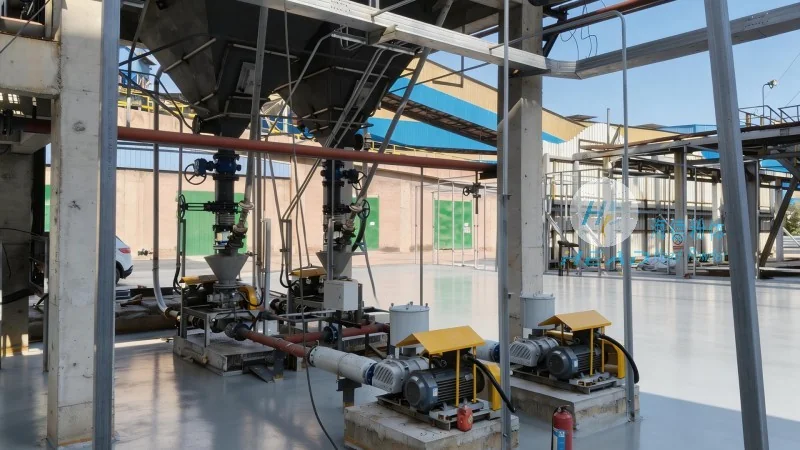
The application of aluminum dross pneumatic conveying systems is critical in the aluminum industry, as it directly impacts the efficiency of the recycling process and the overall sustainability of the operations. The systems are designed to handle the unique properties of aluminum dross, such as its high temperature, abrasive nature, and variable composition. The following are key application areas where these systems are widely utilized:
One of the primary applications is the transportation of aluminum dross from the smelting furnaces to the recycling facilities. The dross, which contains valuable aluminum and other metals, is collected from the furnace and then conveyed through a pneumatic system to the processing plant. This method ensures that the material is handled safely and efficiently, minimizing the risk of spills or contamination. The system can be integrated with the furnace's discharge mechanism, allowing for continuous and automated operation.
Within the aluminum processing plants, pneumatic conveying systems are used to transport aluminum dross between different processing stages, such as from the dross collection area to the melting furnaces or to the storage silos. This internal transportation is essential for maintaining the flow of materials and ensuring that the processing operations run smoothly. The systems can be designed to handle different types of dross, including hot and cold dross, and can be equipped with temperature control and filtration systems to protect the equipment and personnel.
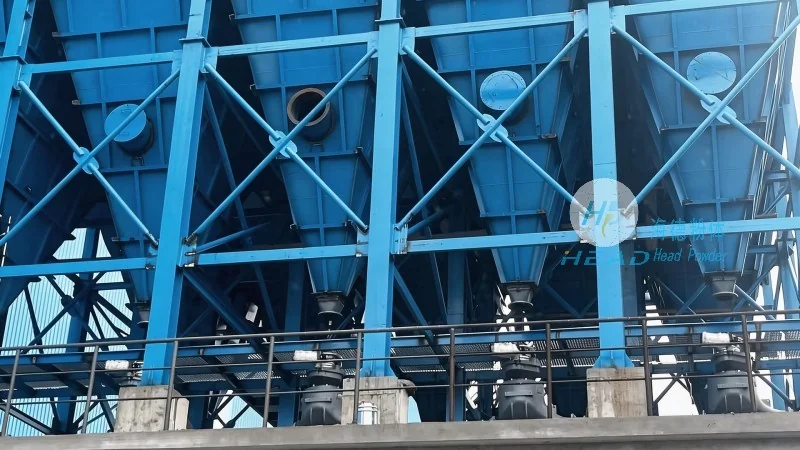
The ultimate goal of using aluminum dross pneumatic conveying systems is to facilitate the recycling of the material and maximize the recovery of valuable metals. The systems play a crucial role in the closed-loop recycling process, where the dross is transported to the recycling plant, melted down, and reprocessed into new aluminum products. By using efficient pneumatic conveying, the recycling process becomes more economical and environmentally friendly, reducing the need for raw material extraction and minimizing waste generation.
HeadPowder's aluminum dross pneumatic conveying systems offer several technical advantages that make them superior to traditional material handling methods. These advantages are particularly important for handling aluminum dross, which is a challenging material due to its properties. The key technical advantages include:
The systems are designed to operate with high efficiency, ensuring that the material is transported quickly and reliably. The use of advanced blower technology and optimized pipeline designs minimizes energy consumption while maintaining the required material flow rates. The systems are also equipped with safety features, such as pressure relief valves and particle filters, to prevent accidents and ensure smooth operation.
HeadPowder's systems are built with high-quality materials and components, ensuring low maintenance requirements and long service life. The use of corrosion-resistant materials, such as stainless steel, protects the equipment from the abrasive and corrosive nature of aluminum dross. The systems are also designed with easy access points for maintenance, reducing downtime and increasing the overall productivity of the plant.

 Shandong Headpowder Engineering Co., Ltd.
 156-6277-7102(Manager Zhang)
  0531-83386006
  Zhangqiu District, Jinan City, Shandong Province, China
telephone
WeChatconsult
top