

What is a Glutinous Rice Material Pneumatic Conveying Line? And What Are Its Design Principles?
Glutinous rice is a staple in many Asian cuisines, and its processing requires efficient and hygienic handling systems. The glutinous rice material pneumatic conveying line is a specialized equipment designed to transport this delicate and sticky material from one location to another within a processing facility. This system uses air pressure to move the rice, ensuring minimal damage and maintaining product quality.
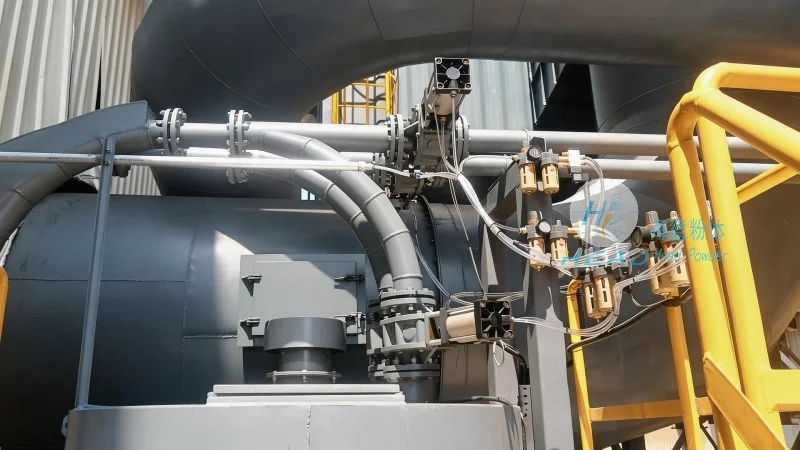
Understanding the Glutinous Rice Material Pneumatic Conveying Line
The glutinous rice material pneumatic conveying line is a key component in the rice processing industry, particularly for handling glutinous rice which has unique characteristics compared to other types of rice. Unlike traditional belt or bucket conveyors, this system utilizes air to create a flow of material, making it ideal for transporting materials that are light, sticky, or have irregular shapes. The primary function is to move the rice from storage silos, processing units, or packaging areas without the need for mechanical contact that could cause breakage or contamination.
Design Principles of the Pneumatic Conveying System
The design of a glutinous rice material pneumatic conveying line is based on several critical principles to ensure optimal performance and product integrity. First, the system must be designed to handle the specific physical properties of glutinous rice, such as its high moisture content and sticky surface, which can affect flow and air resistance. Engineers at Shandong HeadPowder Engineering Co., Ltd. consider factors like particle size, density, and moisture level to determine the appropriate air velocity and pressure required for efficient transport. Second, the system incorporates components that minimize product degradation, including smooth, non-stick internal surfaces and gentle air flow patterns that prevent abrasion or breakage. Third, the design prioritizes hygiene and ease of cleaning, as the rice is a food product that requires strict compliance with food safety regulations. The use of stainless steel materials and easy-to-access components ensures that the system can be thoroughly cleaned and sanitized between batches.
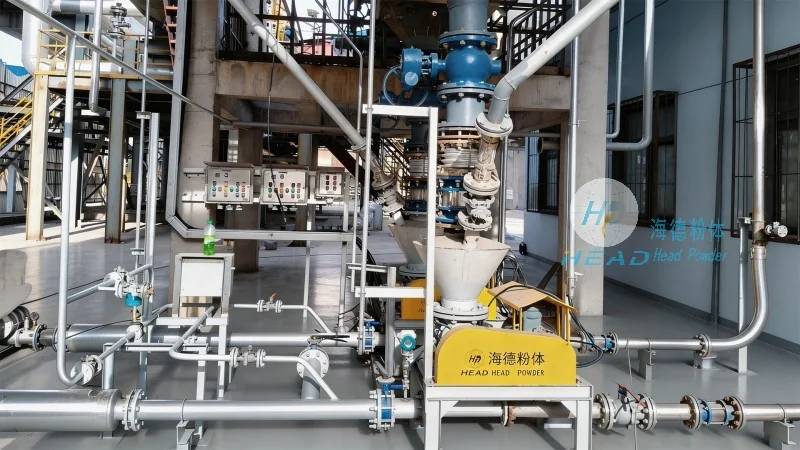
Key Components and Their Functions
A typical glutinous rice material pneumatic conveying line consists of several key components, each playing a vital role in the overall operation. The main components include the hopper or storage silo, where the rice is initially stored; the feeder, which controls the flow of rice into the system; the air compressor or blower, which generates the necessary air pressure; the conveying line itself, which transports the rice through pipes; and the discharge unit, where the rice is released at the destination. The hopper is designed with a wide opening and smooth interior to prevent material buildup and ensure consistent feeding. The feeder, often a rotary valve or screw feeder, regulates the amount of rice entering the system, preventing overloading and maintaining a steady flow. The air compressor provides the pressure needed to move the rice through the pipes, with the pressure level adjusted based on the distance and elevation changes in the conveying line. The conveying line is typically made of stainless steel or other corrosion-resistant materials to withstand the acidic or alkaline conditions of the rice and cleaning agents. The discharge unit may include a filter or separator to remove any debris or dust from the air before it is released back into the environment.
Advantages of Using a Pneumatic Conveying System for Glutinous Rice
Implementing a glutinous rice material pneumatic conveying line offers several advantages over traditional conveying methods. First, it provides a hygienic and dust-free environment, which is crucial for food processing facilities. The enclosed system prevents contamination from external sources and reduces the risk of cross-contamination between different batches of rice. Second, the system is highly efficient in terms of space utilization, as it can transport materials vertically, horizontally, or at an angle, making it suitable for facilities with limited floor space. Third, the system is flexible and can be easily integrated with other processing equipment, such as milling machines or packaging lines. This integration allows for a seamless flow of materials throughout the production process, improving overall productivity. Fourth, the system is low maintenance compared to mechanical conveyors, as there are fewer moving parts that can wear out or require replacement. The air-driven nature of the system reduces the risk of mechanical failure and extends the lifespan of the equipment.
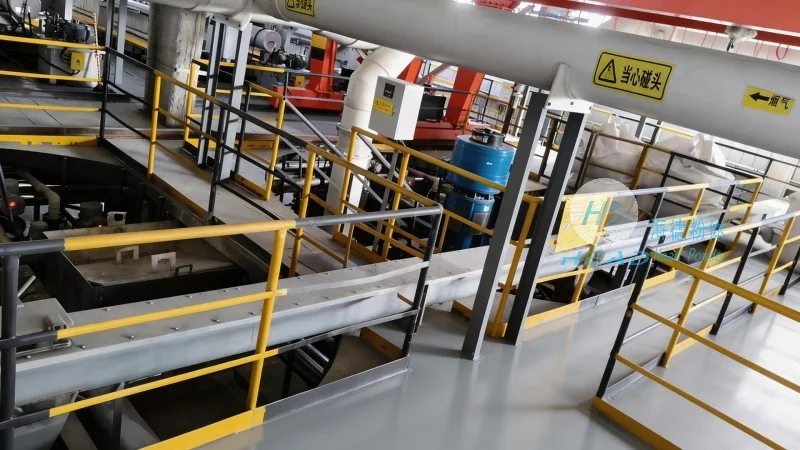
Considerations for Design and Installation
When designing and installing a glutinous rice material pneumatic conveying line, several factors must be considered to ensure optimal performance and longevity. First, the system must be sized appropriately based on the expected flow rate and distance of the conveying line. Overloading the system can lead to increased air pressure and potential damage to components. Second, the layout of the system should be planned carefully to minimize the number of bends and changes in direction, as these can cause increased pressure drop and reduce the efficiency of the conveying process. Third, the system should be equipped with proper filtration and dust collection systems to prevent the accumulation of rice particles in the air compressor or blower. This not only improves air quality but also reduces the risk of clogging in the system. Fourth, the system must comply with local regulations and standards for food processing equipment, including hygiene and safety requirements. Shandong HeadPowder Engineering Co., Ltd., a leading manufacturer based in China, follows strict design and manufacturing standards to ensure that their systems meet these requirements and provide reliable performance.
Conclusion
The glutinous rice material pneumatic conveying line is an essential piece of equipment for any rice processing facility, providing an efficient, hygienic, and flexible method of transporting glutinous rice. The design principles and components of this system are tailored to the unique properties of glutinous rice, ensuring minimal product damage and maintaining high quality standards. With proper design and installation, this system can significantly improve the productivity and efficiency of rice processing operations. Shandong HeadPowder Engineering Co., Ltd., a leading manufacturer based in China, specializes in designing and manufacturing high-quality pneumatic conveying systems that meet the specific needs of the food processing industry.