

What is a Roots Blower Material Pneumatic Conveying Line? And What Are Its Design Principles?
When it comes to efficient material handling in industrial settings, pneumatic conveying systems have become a cornerstone technology. Among the various types available, the roots blower material pneumatic conveying line stands out for its ability to transport bulk materials with precision and reliability. This article delves into what such a system entails and explores the underlying design principles that make it effective.
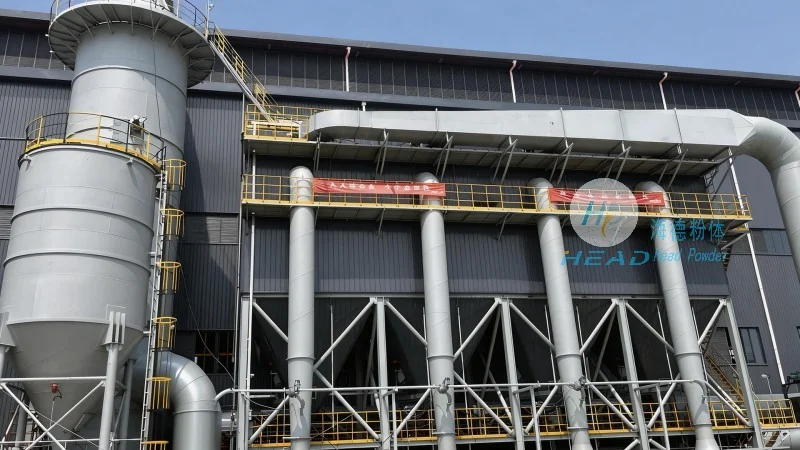
Understanding the Roots Blower Material Pneumatic Conveying Line
A roots blower material pneumatic conveying line is a specialized system designed to move dry, free-flowing bulk materials through a pipeline using compressed air or other gases. The core of this system is the roots blower, a positive displacement blower that generates the necessary pressure and airflow to propel the material. This technology is widely used in industries like food processing, pharmaceuticals, and chemical manufacturing, where maintaining product integrity and controlling dust are critical.
The Role of the Roots Blower in Material Conveying
The roots blower serves as the heart of the pneumatic conveying system. Unlike centrifugal blowers, which rely on high speeds to create airflow, roots blowers operate by trapping and displacing air in their lobed impellers. This positive displacement mechanism ensures a consistent and controllable airflow, which is essential for maintaining the material's flow characteristics and preventing clogging. The blower's design allows it to handle a wide range of material types, from fine powders to granules, with minimal degradation.
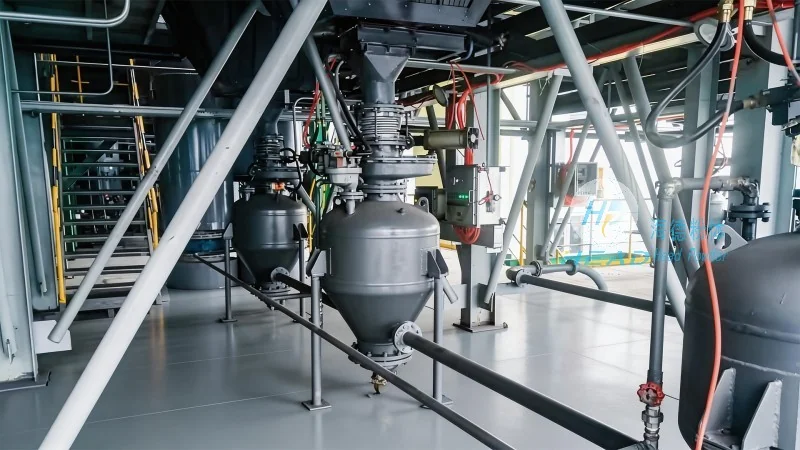
Key Design Principles for Efficient Conveying
The effectiveness of a roots blower material pneumatic conveying line hinges on several key design principles. First, the system must be tailored to the specific properties of the material being conveyed, such as particle size, density, and moisture content. This involves selecting the appropriate pipe diameter, velocity, and pressure to ensure smooth material movement without excessive wear or degradation. Second, the system's layout, including the number and placement of bends, elbows, and expansion joints, is crucial for minimizing pressure losses and preventing material buildup. Properly designed components, like the roots blower and associated valves, are also vital for maintaining consistent airflow and preventing system failures.
Advantages of Using a Roots Blower System
Implementing a roots blower material pneumatic conveying line offers several advantages over traditional mechanical conveying methods. For one, it eliminates the need for moving parts in contact with the material, reducing wear and maintenance costs. The enclosed system also helps contain dust and prevent contamination, which is particularly important in industries where product purity is paramount. Additionally, roots blowers can handle high volumes of material with relatively low energy consumption, making them an economical choice for large-scale operations. The system's flexibility allows for easy integration with existing production lines and can be adjusted to accommodate varying material loads.
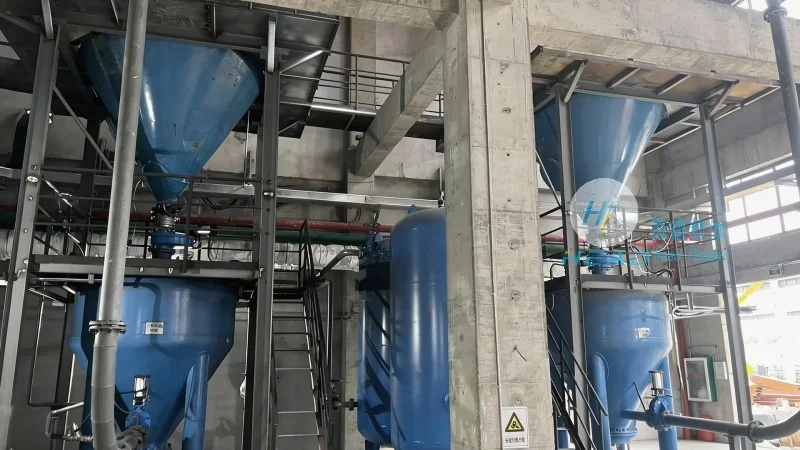
Application Examples and Industry Use Cases
The versatility of roots blower material pneumatic conveying lines is evident in their application across various industries. In the food industry, for instance, such systems are used to transport ingredients like flour, sugar, and spices while maintaining hygiene standards. In the pharmaceutical sector, they are employed to convey powders and granules for drug manufacturing, ensuring that the materials remain sterile and free from contamination. Chemical manufacturers also benefit from this technology when handling powders like calcium carbonate or titanium dioxide, as it allows for precise control over the material's flow and distribution. These applications highlight the system's adaptability and reliability in demanding industrial environments.
Conclusion: The Importance of Proper Design and Implementation
In conclusion, a roots blower material pneumatic conveying line is a sophisticated system that combines advanced technology with careful engineering to achieve efficient material handling. The roots blower's unique design, coupled with a well-planned system layout, ensures reliable and consistent performance. When properly designed and maintained, this technology can significantly improve operational efficiency, reduce costs, and enhance product quality. For industries seeking a robust and flexible solution for bulk material transport, the roots blower material pneumatic conveying line remains a top choice.