

Monosodium Glutamate Material Pneumatic Conveying System: What It Is and Its Design Principles
Monosodium glutamate (MSG), a widely used flavor enhancer in the food industry, requires efficient and reliable material handling solutions for its production and processing. A pneumatic conveying system is a critical piece of equipment designed to transport MSG powder and other similar bulk materials through a pipeline using air or other gases. This system offers advantages such as dust-free operation, minimal product contamination, and the ability to handle materials in a closed environment, making it ideal for the MSG manufacturing process. Shandong HeadPowder Engineering Co., Ltd., a leading manufacturer in this field, specializes in designing and implementing such systems to meet the specific needs of MSG producers.
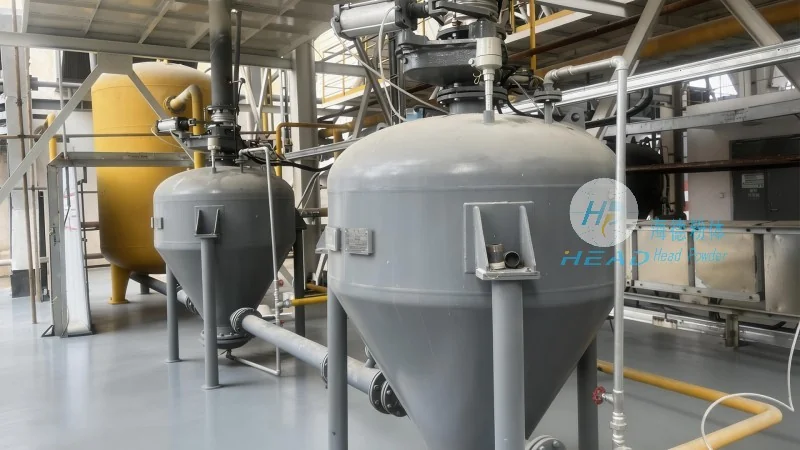
Understanding the Pneumatic Conveying System for MSG
The core of a MSG material pneumatic conveying system is its ability to transport dry powders like MSG without direct contact with external air or human intervention. The system typically consists of several key components, including a material feeder, a conveying pipeline, a pressure vessel or receiver, a blower or air compressor, and a control system. The material feeder ensures a consistent flow of MSG into the system, while the blower generates the necessary air pressure to move the material through the pipeline. The receiver collects the conveyed MSG and may include features like a filter to separate any entrained air or fine particles.
Design Principles of the MSG Pneumatic Conveying System
The design of a MSG pneumatic conveying system is tailored to meet the specific requirements of the MSG production line, considering factors such as material properties, flow rates, and system efficiency. One of the primary design principles is maintaining a consistent air-to-material ratio, which is crucial for preventing blockages and ensuring smooth transport. The system must also account for the hygroscopic nature of MSG, as moisture can affect its flow characteristics and stability. Therefore, the design often incorporates drying or moisture control mechanisms to maintain the material's quality during transport. Additionally, the system is engineered to minimize pressure drops and energy consumption, optimizing operational costs while ensuring reliable performance.
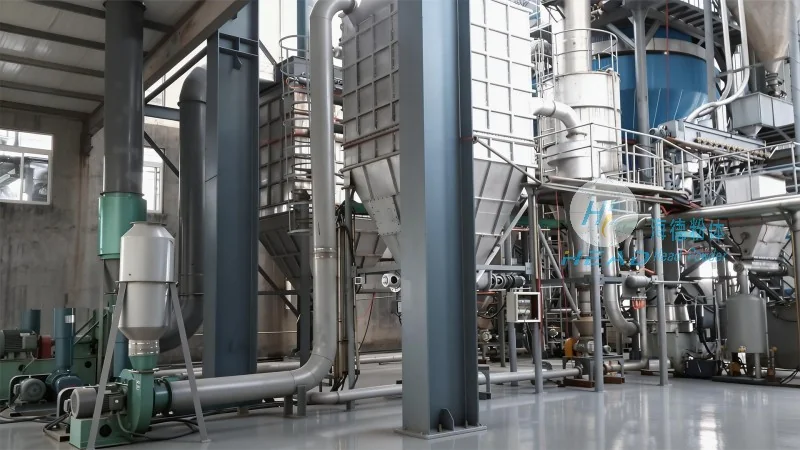
Components and Their Functions in the System
Each component of the MSG pneumatic conveying system plays a vital role in the overall operation. The material feeder, often a rotary valve or a screw feeder, controls the rate at which MSG is introduced into the system, ensuring a steady flow. The conveying pipeline, usually made of stainless steel or other corrosion-resistant materials, is designed to withstand the pressure and temperature conditions of the system. The blower or air compressor provides the necessary air pressure, with options ranging from positive displacement blowers to centrifugal compressors, depending on the system's capacity and pressure requirements. The pressure vessel or receiver is where the conveyed MSG is collected, and it may include a filter to remove any air bubbles or fine particles that could affect downstream processes. The control system monitors and regulates the flow of material and air, ensuring the system operates within safe and efficient parameters.
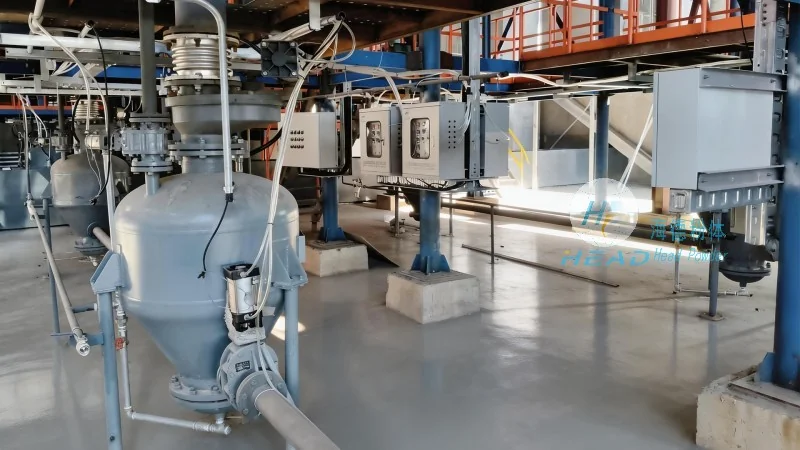
Advantages of Using a Pneumatic Conveying System for MSG
Implementing a pneumatic conveying system for MSG processing offers several benefits that enhance both operational efficiency and product quality. First, the closed system prevents dust contamination, which is essential for maintaining the purity of MSG and complying with food safety regulations. Second, the system allows for precise control over the flow rate and pressure, enabling accurate dosing and consistent product quality. Third, the absence of mechanical components in the conveying line reduces the risk of product contamination and wear, extending the system's lifespan. Finally, the system's ability to handle materials in a hygienic and dust-free environment aligns with modern food processing standards, making it a preferred choice for MSG manufacturers.
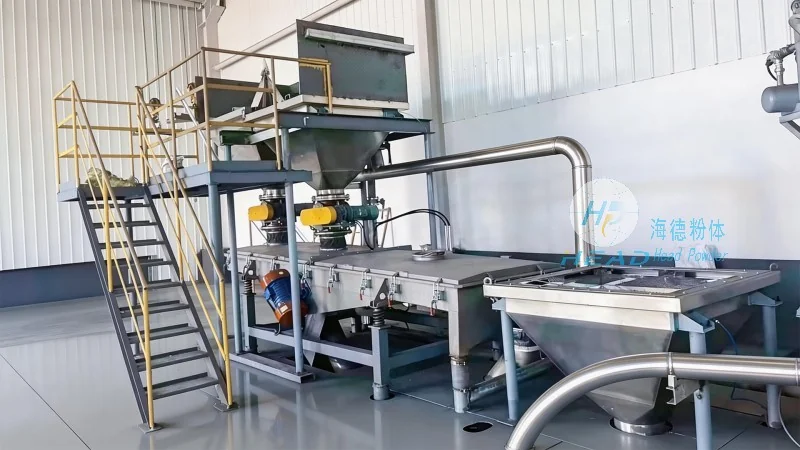
Applications and Integration in MSG Production
The MSG pneumatic conveying system is widely used in various stages of MSG production, from raw material handling to finished product packaging. In the raw material stage, the system can transport MSG from storage silos to the production line, ensuring a continuous supply of material. During the production process, the system may be used to convey MSG between different processing units, such as from a mixer to a dryer or from a dryer to a packaging machine. In the final stages, the system can transport finished MSG products to packaging lines, where they are sealed and labeled. The system's flexibility allows it to be integrated with existing production lines, minimizing downtime and ensuring seamless operation.
Conclusion: The Importance of a Well-Designed Pneumatic Conveying System for MSG
For manufacturers of monosodium glutamate, investing in a well-designed pneumatic conveying system is a strategic decision that impacts both operational efficiency and product quality. The system's ability to handle MSG in a hygienic, dust-free environment, combined with its precise control and reliability, makes it an indispensable part of modern MSG production. By understanding the design principles and components of such a system, manufacturers can optimize their processes, reduce costs, and ensure compliance with industry standards. As the demand for MSG continues to grow, the importance of efficient material handling systems like the pneumatic conveying system will only increase, making it a critical investment for any MSG production facility.