

What is the Pneumatic Conveying of Stabilizer Powder Materials? Exploring the Design Principles
Stabilizer powder materials, commonly used in various industrial applications such as construction, pharmaceuticals, and food processing, often require efficient and reliable transportation methods. Pneumatic conveying has emerged as a preferred solution for handling these fine powders due to its ability to transport materials over long distances with minimal dust generation and reduced risk of contamination. This article delves into the fundamental concepts of pneumatic conveying for stabilizer powders and outlines the key design principles that ensure optimal performance.
Understanding Pneumatic Conveying Systems
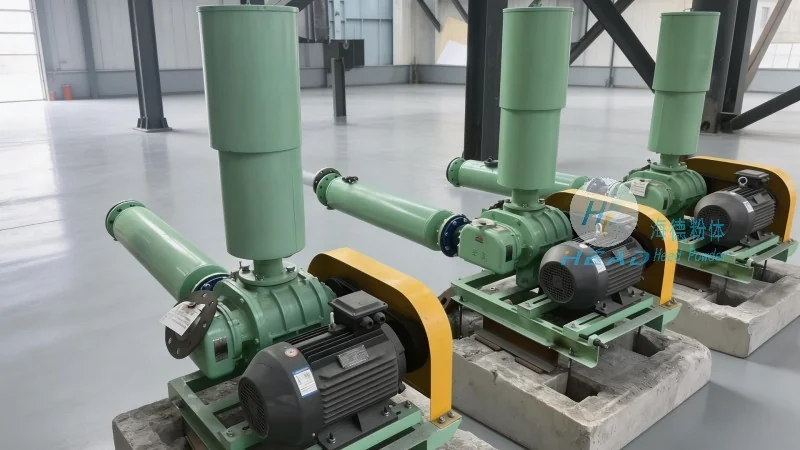
Pneumatic conveying systems utilize air or gas to transport solid materials through a pipeline. The process involves creating a pressure differential between the inlet and outlet of the system, which propels the powder particles forward. There are two primary types of pneumatic conveying: dilute-phase and dense-phase. Dilute-phase systems operate at higher velocities, typically 20-30 m/s, and are suitable for short to medium distances, while dense-phase systems use lower velocities (5-15 m/s) and higher pressure to move material more slowly and with less risk of particle degradation. For stabilizer powders, which are often sensitive to moisture and temperature changes, the choice between these systems is critical. The design must consider factors such as particle size, density, and flowability to select the most appropriate conveying method.

Key Design Principles for Stabilizer Powder Conveying
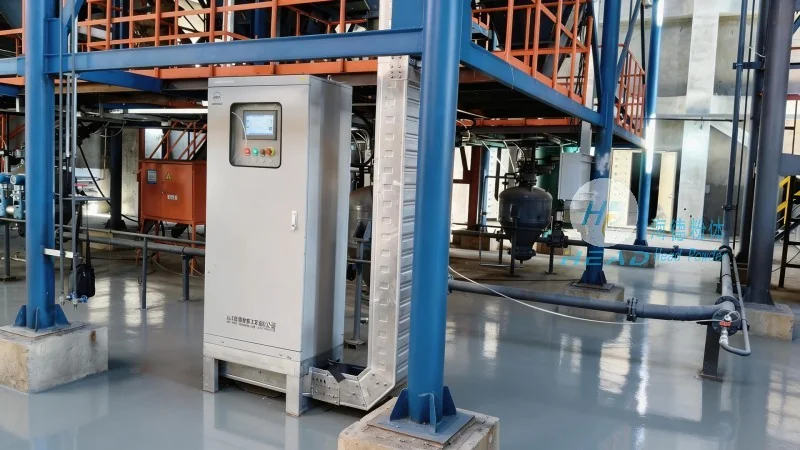
The success of a pneumatic conveying system for stabilizer powders hinges on several key design principles. First, the system must maintain a consistent air-to-solid ratio to ensure smooth flow and prevent blockages. This ratio is determined by the material's properties, including its bulk density and particle size distribution. Second, the pipeline design is crucial. The use of smooth, corrosion-resistant materials (such as stainless steel or PTFE-coated pipes) minimizes friction and reduces the risk of material buildup. Additionally, the inclusion of bends and fittings with minimal pressure loss is essential to maintain the system's efficiency. Third, the control system plays a vital role. Advanced control systems can monitor pressure, flow rate, and particle concentration in real-time, allowing for immediate adjustments to maintain optimal operation. For example, if the system detects a drop in pressure, it can automatically increase the air flow to prevent clogging. Fourth, the system must be equipped with proper dust collection and filtration to comply with environmental regulations and maintain a clean working environment. This is particularly important for stabilizer powders, which may contain fine particles that can be hazardous if inhaled.
Role of HeadPowder in Pneumatic Conveying Solutions
Shandong HeadPowder Engineering Co., Ltd., a leading provider of pneumatic conveying systems, specializes in designing and manufacturing customized solutions for stabilizer powder applications. With years of experience in the industry, HeadPowder understands the unique challenges associated with handling fine, sensitive powders. The company's team of engineers works closely with clients to assess their specific needs, including the type of stabilizer powder, production volume, and required conveying distance. Based in Shandong, China, HeadPowder leverages local manufacturing capabilities to deliver high-quality, cost-effective systems that meet international standards. The company's products are known for their durability, efficiency, and reliability, making them a trusted choice for industries that rely on consistent and safe material transport. By integrating advanced technology and customer-focused design, HeadPowder ensures that its pneumatic conveying systems not only meet but exceed the expectations of its clients.
Conclusion and Practical Applications
Pneumatic conveying of stabilizer powder materials is a sophisticated process that requires careful consideration of design principles to achieve optimal performance. From the selection of the appropriate conveying system (dilute-phase or dense-phase) to the implementation of robust control and filtration systems, every aspect of the design contributes to the overall efficiency and safety of the operation. Companies like Shandong HeadPowder Engineering Co., Ltd. play a crucial role in providing tailored solutions that address the specific needs of their clients, ensuring that stabilizer powders are transported reliably and efficiently. As industries continue to demand higher standards of material handling, the importance of well-designed pneumatic conveying systems will only grow, making it essential for businesses to invest in reliable and effective solutions.