

[Pneumatic Conveying of Polyvinyl Alcohol Formaldehyde Material: Exploring Its Design Principles]
The pneumatic conveying of polyvinyl alcohol formaldehyde (PVA-F) material is a specialized process used in industrial applications to transport this specific type of material through a pipeline using air or other gas as the conveying medium. This method offers advantages such as dust-free operation, reduced material degradation, and the ability to handle materials that are difficult to transport via traditional methods. Understanding the design principles behind this system is crucial for optimizing performance, ensuring safety, and achieving efficient material handling in various industrial settings.
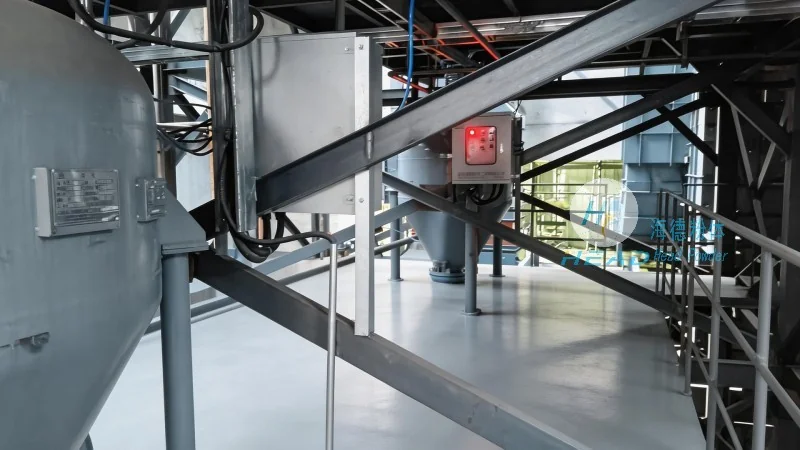
Introduction to Pneumatic Conveying of PVA-F Material
Polyvinyl alcohol formaldehyde (PVA-F) is a polymer material commonly used in applications like adhesives, coatings, and textiles. Its unique properties, including high viscosity and potential for agglomeration, make conventional bulk material handling challenging. Pneumatic conveying provides an effective solution by utilizing air pressure to move the material through a closed system. This approach not only minimizes dust exposure but also allows for precise control over the material's flow and temperature, which is critical for maintaining product quality.
Key Components of a PVA-F Pneumatic Conveying System
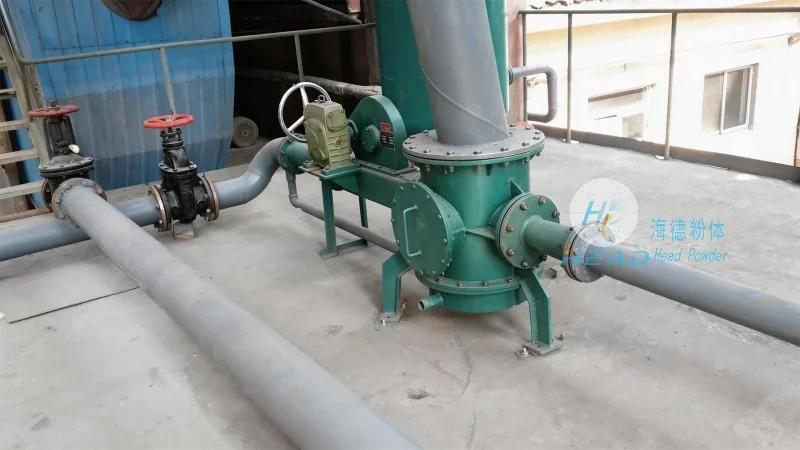
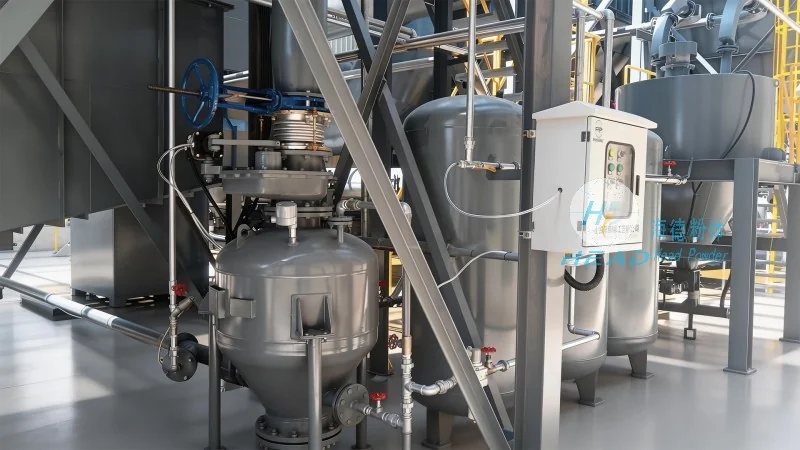
A typical PVA-F pneumatic conveying system consists of several key components that work in tandem to ensure efficient material transport. These include the material feed hopper, which holds the PVA-F material and regulates its flow into the system; the conveying line, which is the main pipeline through which the material travels; the air compressor or blower, which generates the necessary air pressure to move the material; and the control valves and regulators, which manage the air flow and pressure to optimize conveying efficiency. Additionally, the system may include a dust collector or filter to capture any airborne particles and a discharge hopper at the receiving end to collect the conveyed material.
Design Principles for PVA-F Pneumatic Conveying
Designing an effective PVA-F pneumatic conveying system requires careful consideration of several factors to ensure optimal performance and reliability. The first principle is selecting the appropriate conveying velocity, which is the speed at which the material travels through the pipeline. This velocity must be high enough to prevent material settling or clogging but low enough to avoid excessive wear on the system components. For PVA-F, a typical conveying velocity ranges from 10 to 30 meters per second, depending on the material's properties and the system's configuration.
Another critical design principle is the choice of pipeline diameter and material. The diameter of the conveying line is determined by the material's flow rate and the required conveying velocity. Larger diameters are generally preferred for high flow rates to minimize pressure drop and energy consumption. The pipeline material must be resistant to the chemical properties of PVA-F, which may include moisture and potential corrosiveness, ensuring long-term durability and preventing material contamination.
System Pressure and Air Flow Management
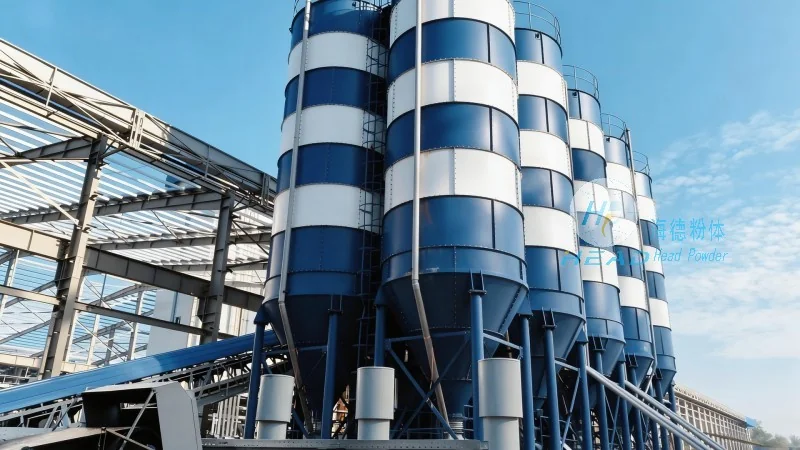
Maintaining proper system pressure and air flow is essential for the smooth operation of a PVA-F pneumatic conveying system. The pressure level is determined by the height of the material to be conveyed and the length of the pipeline. For vertical or inclined conveying, higher pressure is required to overcome gravity and friction. The air flow rate must be precisely controlled to match the material feed rate, ensuring that the material is fully suspended in the air stream and preventing blockages. This is typically achieved through the use of variable frequency drives (VFDs) on the air compressor or blower, which adjust the air flow based on real-time system conditions.
Material Handling Considerations for PVA-F
Handling PVA-F material presents unique challenges due to its physical properties. The material may be prone to agglomeration, which can lead to blockages in the conveying line if not properly managed. To address this, the system may include a pre-drying or pre-mixing step to reduce moisture content and improve flowability. Additionally, the material may be sensitive to temperature changes, so the conveying system must be designed to maintain a stable temperature range, typically between 20 to 40 degrees Celsius, to prevent degradation or changes in viscosity.
Advantages and Applications of PVA-F Pneumatic Conveying
The use of pneumatic conveying for PVA-F material offers several advantages over traditional methods. These include improved safety by eliminating dust exposure, reduced material loss due to better containment, and increased efficiency through precise control over the material's flow. This technology is widely used in industries such as pharmaceuticals, food processing, and chemical manufacturing, where handling PVA-F material requires high standards of cleanliness and product integrity. The system's ability to handle fine powders and prevent cross-contamination makes it particularly suitable for applications where product quality is paramount.