

Comparison of Common Calcium Oxide Transport Methods: Advantages and Disadvantages
Calcium oxide, commonly known as quicklime, is a widely used industrial chemical with applications in construction, steel production, and chemical manufacturing. The efficient and safe transportation of calcium oxide is crucial for industrial operations, as it requires careful handling due to its reactivity and potential hazards. Various transport methods are employed in the industry, each with its own set of advantages and disadvantages. This article provides a detailed comparison of common calcium oxide transport methods, focusing on their practical applications and operational considerations.
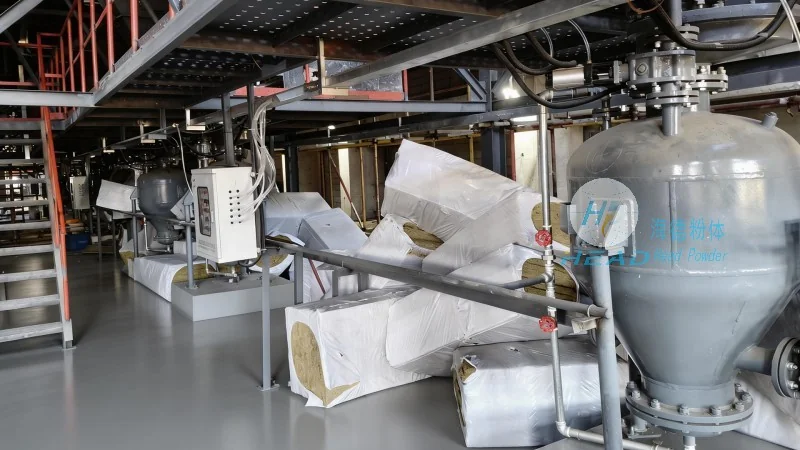
Company Profile: Shandong HeadPowder Engineering Co., Ltd.
HeadPowder, as the name suggests, is a leading provider of calcium oxide and related industrial products. With a strong presence in the Chinese market, particularly in Shandong province, the company specializes in the production, processing, and distribution of high-quality calcium oxide. The company's commitment to quality and safety is reflected in its adherence to industry standards and its focus on customer satisfaction. HeadPowder's expertise in calcium oxide handling and transportation makes it a reliable partner for businesses requiring consistent and secure supply of quicklime.
Common Calcium Oxide Transport Methods
There are several primary methods used for transporting calcium oxide, each suited to different operational needs and logistical requirements. The choice of transport method often depends on factors such as the quantity of material, the distance of transportation, and the specific application of the calcium oxide. The main transport methods include bulk transport, bagged transport, and specialized container transport. Each method has distinct characteristics that influence its suitability for different industrial scenarios.
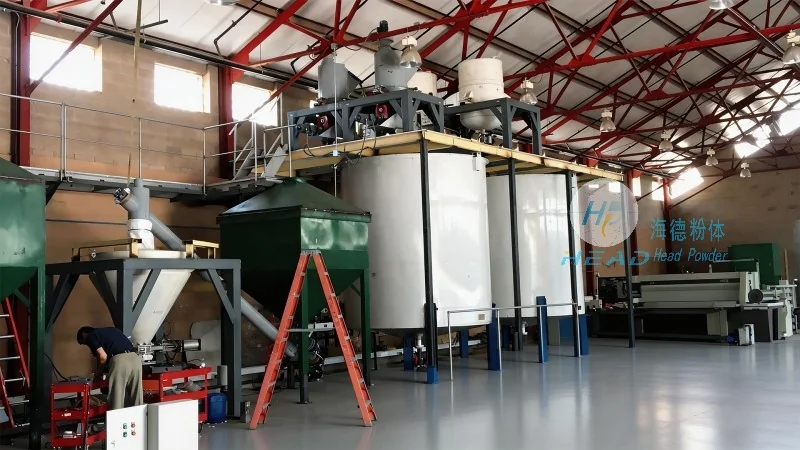
Advantages and Disadvantages of Bulk Transport
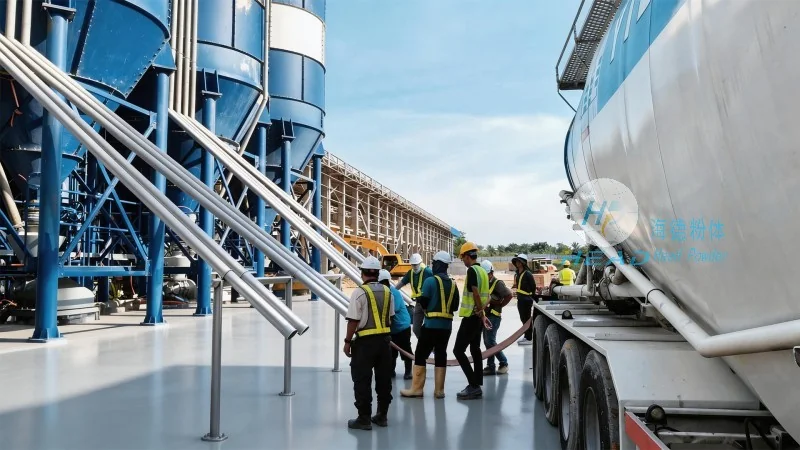
Bulk transport of calcium oxide typically involves the use of specialized trucks or railcars equipped with sealed containers to prevent dust and moisture from affecting the material. This method is highly efficient for large-scale transportation, as it allows for the movement of substantial quantities of calcium oxide over long distances. The advantages of bulk transport include cost-effectiveness for high-volume shipments, reduced handling time, and minimal exposure to external elements. However, bulk transport also presents certain challenges. The sealed containers must be properly maintained to prevent leaks or contamination, which can be costly to repair or replace. Additionally, bulk transport may require specialized infrastructure at the receiving end, such as silos or storage tanks, which can increase the overall operational cost. Another disadvantage is the potential for dust emissions during loading and unloading, which may necessitate additional safety measures and equipment to comply with environmental regulations.
Advantages and Disadvantages of Bagged Transport
Bagged transport involves packaging calcium oxide in sturdy, moisture-resistant bags, such as polypropylene or woven polyethylene, before shipment. This method is commonly used for smaller quantities or when the material needs to be delivered to locations without specialized bulk handling facilities. The advantages of bagged transport include flexibility in delivery, as bags can be easily handled and stored by the end-user. The packaging also provides an additional layer of protection against moisture and physical damage, ensuring the quality of the calcium oxide remains intact during transit. However, bagged transport has its limitations. The weight of the bags can make them difficult to handle manually, especially for large quantities, requiring mechanical lifting equipment. This increases the operational cost and may limit the volume that can be transported per trip. Additionally, the bags themselves can contribute to waste if not properly recycled or disposed of, which may be a concern for environmentally conscious businesses. Furthermore, the risk of dust exposure during opening and handling remains, though it is generally lower than with bulk transport due to the sealed nature of the bags.
Advantages and Disadvantages of Specialized Container Transport
Specialized container transport involves the use of containers specifically designed for the safe handling of calcium oxide, such as ISO containers with specialized liners or ventilation systems. This method is often employed for international shipping or when transporting calcium oxide over long distances where bulk or bagged methods are not feasible. The advantages of specialized container transport include enhanced safety features, such as built-in dust suppression systems and moisture barriers, which minimize the risk of accidents or material degradation. The containers are also designed for easy loading and unloading, reducing the time and labor required for transportation. However, specialized container transport is generally more expensive than other methods due to the cost of the specialized equipment and the need for specialized handling procedures. The containers may also require additional certification or compliance with international shipping regulations, which can add to the overall cost and complexity. Another disadvantage is the limited capacity compared to bulk transport, as the containers are designed to carry specific volumes of material, and the cost per unit may be higher for smaller shipments.
Conclusion: Choosing the Right Calcium Oxide Transport Method
When selecting a calcium oxide transport method, businesses must consider a range of factors, including the volume of material, the distance of transportation, the receiving infrastructure, and the specific application of the calcium oxide. Bulk transport is ideal for large-scale operations with the necessary infrastructure, offering cost-effectiveness and efficiency. Bagged transport provides flexibility and is suitable for smaller quantities or locations without bulk handling facilities. Specialized container transport is best for international or long-distance shipping, where safety and compliance are paramount. Ultimately, the choice of transport method should align with the operational goals and safety requirements of the business. By understanding the advantages and disadvantages of each method, companies can make informed decisions that optimize their calcium oxide supply chain, ensuring reliable and cost-effective delivery of this essential industrial chemical.