With more than 10‑year industry experience, Shandong Headpowder delivers full‑service pneumatic‑conveying systems and blowers, undertaking nationwide turn‑key powder‑handling projects.
When it comes to transporting cement slurry in industrial applications, selecting the right method is crucial for efficiency, cost-effectiveness, and operational safety. Various transport methods are available, each with its own set of advantages and disadvantages. This article provides a detailed comparison of common cement slurry transport methods, helping engineers and operators make informed decisions for their specific projects.
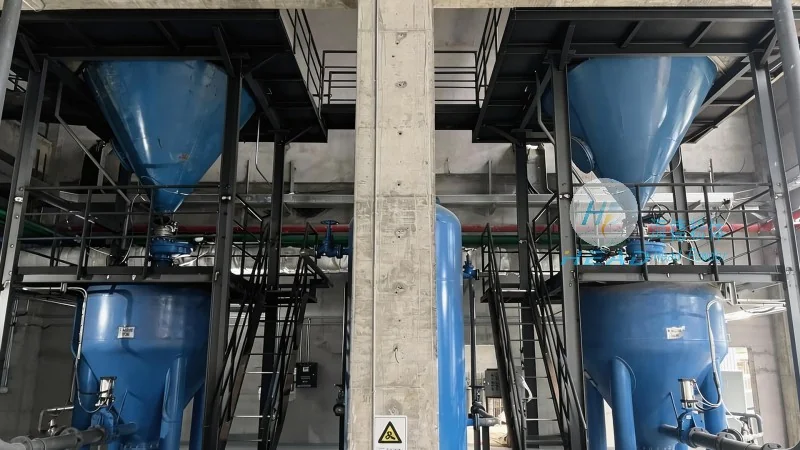
Cement slurry is a critical material in construction and industrial processes, used for grouting, foundation stabilization, and other applications where a stable, flowable mixture is required. The effectiveness of cement slurry transport directly impacts the quality and speed of these operations. Understanding the different transport methods and their characteristics is essential for optimizing performance and minimizing downtime.
Several methods are widely used for cement slurry transport, including pipeline systems, pump-based systems, and pneumatic systems. Each method has distinct features that make it suitable for different scenarios. Below is a detailed analysis of these methods, focusing on their advantages and disadvantages.
Pipeline transport is one of the most common methods for moving cement slurry over long distances. This method involves using a network of pipes to carry the slurry from the mixing point to the application site. The primary advantage of pipeline systems is their ability to handle large volumes of material continuously, reducing labor costs and improving operational efficiency. Additionally, pipelines can be designed to withstand high pressures and corrosive environments, ensuring long-term durability.
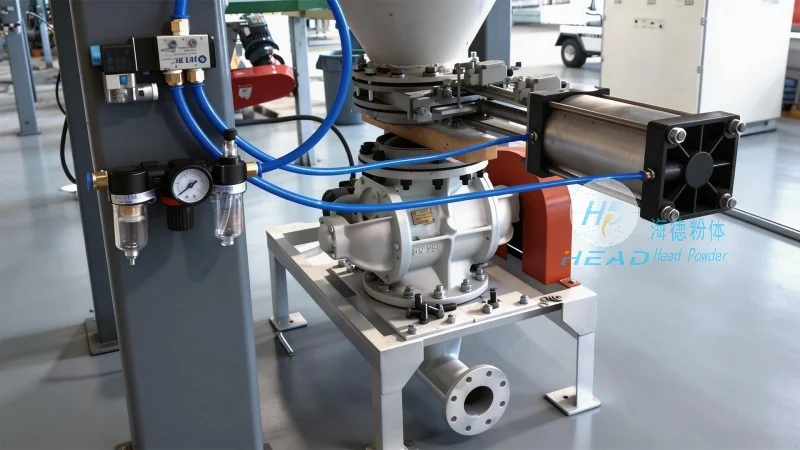
However, pipeline transport also has significant drawbacks. The initial investment for pipeline installation is high, and maintenance costs can be substantial over time. Moreover, pipelines are susceptible to blockages, especially if the slurry contains particles that can settle or clog the system. Regular cleaning and maintenance are required to prevent these issues, which can increase operational expenses.
Pump-based systems are another popular choice for cement slurry transport, particularly for medium to high-pressure applications. These systems use pumps to force the slurry through hoses or pipes. The main advantage of pump-based transport is its flexibility and adaptability to various site conditions. Pumps can be mobile or stationary, allowing for easy relocation and integration into different projects. This flexibility makes pump systems ideal for on-site applications where the slurry needs to be delivered to specific locations.
Despite their flexibility, pump-based systems have limitations. The power requirements for high-pressure pumps can be significant, leading to higher energy costs. Additionally, pumps are prone to wear and tear, especially when handling abrasive or high-viscosity slurry. Regular maintenance and replacement of pump components are necessary to ensure reliable operation, which can be time-consuming and costly.
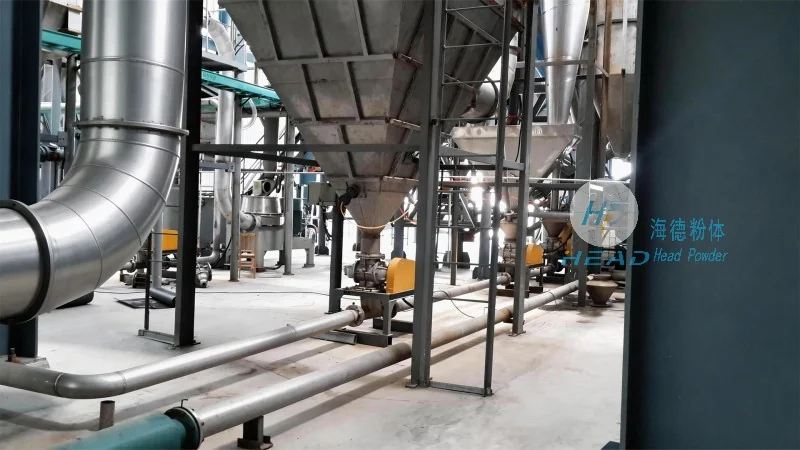
Pneumatic transport systems use compressed air to move cement slurry through a system of pipes or hoses. This method is particularly effective for transporting slurry over short to medium distances and for applications where the slurry needs to be delivered to elevated or hard-to-reach locations. The primary advantage of pneumatic systems is their ability to handle abrasive materials without causing excessive wear on the transport system. Additionally, pneumatic transport can be more cost-effective for smaller volumes compared to other methods.
However, pneumatic systems have several disadvantages. The main drawback is the high energy consumption required to operate the compressed air system. The cost of electricity or compressed air can be substantial, especially for large-scale operations. Moreover, pneumatic transport is less efficient for high-viscosity slurry, as the air pressure may not be sufficient to move the material effectively. This can result in reduced throughput and increased downtime for cleaning and maintenance.
When selecting a cement slurry transport method, several factors must be considered to ensure the best fit for the project. These factors include the distance of transport, the volume of material required, the viscosity and consistency of the slurry, and the site conditions. For long-distance transport over several kilometers, pipeline systems are often the most efficient. For on-site applications requiring flexibility, pump-based systems are preferred. For short-distance or elevated transport, pneumatic systems may be the most suitable.
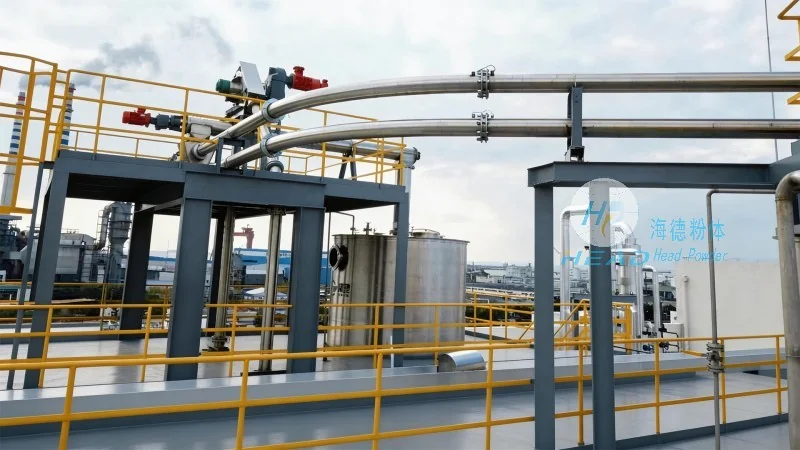
Another critical factor is the cost-benefit analysis. While pipeline systems may have higher initial costs, they can be more economical in the long run due to lower labor and maintenance costs. Pump-based systems offer flexibility at a moderate cost, while pneumatic systems are cost-effective for small-scale applications but may not be suitable for large volumes.
In conclusion, the choice of cement slurry transport method depends on a variety of factors, including project requirements, budget, and operational constraints. Each method has its own advantages and disadvantages, and the optimal choice is determined by a careful evaluation of these factors. By understanding the characteristics of each transport method, engineers and operators can select the most suitable option to ensure efficient and reliable cement slurry transport.
Shandong HeadPowder Engineering Co., Ltd., a leading provider of cement slurry transport solutions, offers a range of equipment and systems tailored to meet the diverse needs of industrial applications. With years of experience in the industry, HeadPowder provides high-quality, reliable transport solutions that enhance operational efficiency and reduce costs. Based in Shandong, China, HeadPowder serves clients worldwide, delivering innovative solutions for cement slurry transport challenges.

 Shandong Headpowder Engineering Co., Ltd.
 156-6277-7102(Manager Zhang)
  0531-83386006
  Zhangqiu District, Jinan City, Shandong Province, China
telephone
WeChatconsult
top