With more than 10‑year industry experience, Shandong Headpowder delivers full‑service pneumatic‑conveying systems and blowers, undertaking nationwide turn‑key powder‑handling projects.
When it comes to handling zinc powder in industrial settings, selecting the right conveying method is crucial for efficiency, safety, and cost-effectiveness. Various technologies are available, each with its own set of advantages and disadvantages. This article provides a detailed comparison of common zinc powder conveying methods, helping you make an informed decision for your specific application.
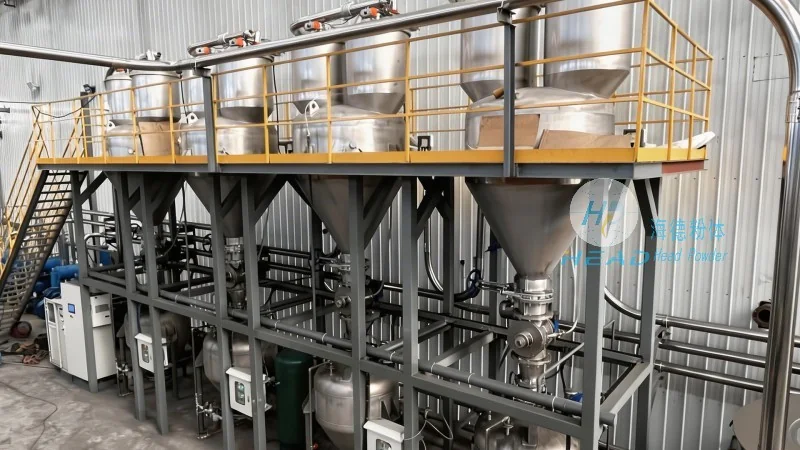
Zinc powder is widely used in industries such as galvanizing, metallurgy, and chemical manufacturing. Its fine particle size and reactivity make it challenging to transport without proper equipment. Effective conveying systems must ensure minimal dust generation, prevent material degradation, and maintain consistent flow rates. The choice of conveying method depends on factors like material properties, production scale, and environmental regulations.
Screw conveyors, also known as auger conveyors, are among the most common methods for transporting zinc powder. These systems consist of a rotating screw inside a trough, which moves material along the length of the conveyor. The primary advantage of screw conveyors is their simplicity and reliability. They are suitable for horizontal or slight incline applications and can handle a wide range of particle sizes. However, they have limitations when dealing with highly abrasive or sticky materials, as the screw and trough can wear out quickly. Additionally, screw conveyors may generate significant dust if not properly sealed, posing health and safety risks.
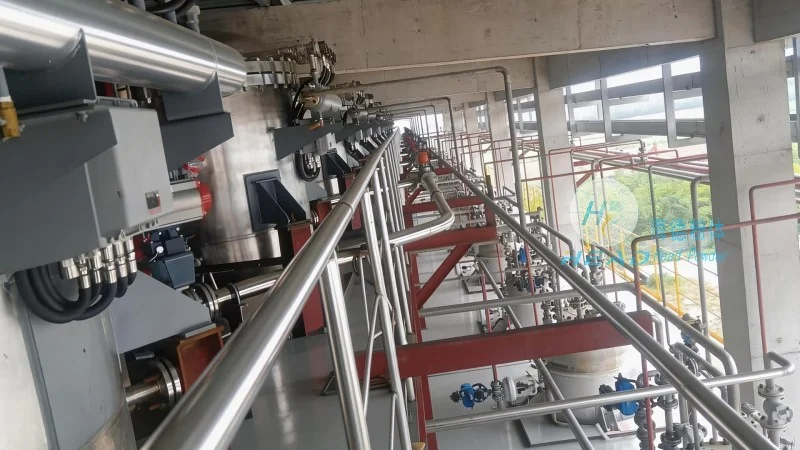
Pneumatic conveying uses air or other gases to transport zinc powder through a pipeline. This method is ideal for applications requiring long-distance transport or when dust containment is a priority. There are two main types: pressure and vacuum systems. Pressure systems push material through the pipeline using compressed air, while vacuum systems pull material in using a vacuum. The key advantages of pneumatic conveying include high speed, minimal material degradation, and the ability to transport materials in closed systems, reducing environmental impact. However, these systems require higher energy consumption and can be more complex to maintain. They are also less suitable for very fine or cohesive powders, as they may experience blockages or reduced efficiency.
Vibrating conveyors use mechanical vibrations to move zinc powder along a trough. The system consists of a conveyor bed that is shaken at specific frequencies, causing the material to move forward. This method is effective for handling bulk materials with a wide range of particle sizes and is particularly useful for materials that tend to stick or agglomerate. The main advantage is the ability to transport materials at an angle or even vertically, which can save space in industrial facilities. However, vibrating conveyors may generate more noise and vibration, which can affect the surrounding environment and equipment. They also require regular maintenance to ensure the vibration mechanism operates correctly and to prevent wear on the conveyor components.
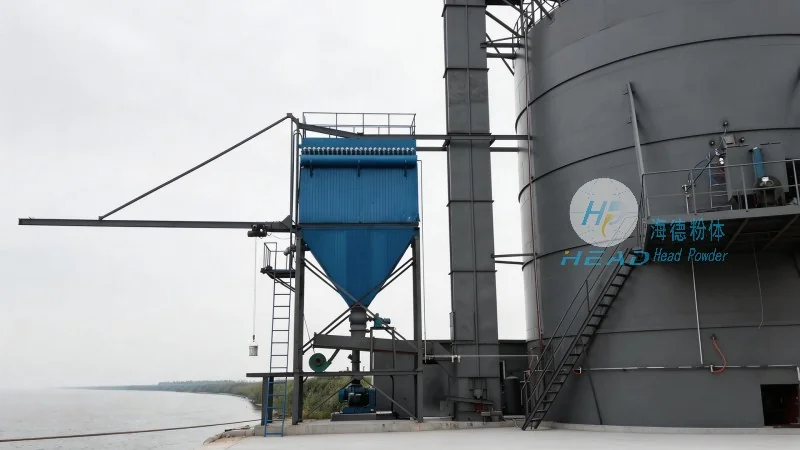
Belt conveyors are another option for zinc powder transport, especially in applications involving large volumes or long distances. These systems use a continuous belt that moves over rollers, transporting material from one point to another. The primary advantage of belt conveyors is their high capacity and ability to handle heavy loads. They are also relatively simple to install and maintain. However, belt conveyors are less effective for fine powders, as they may cause dust and material loss. Additionally, they require regular cleaning and maintenance to prevent material buildup on the belt, which can affect performance and safety.
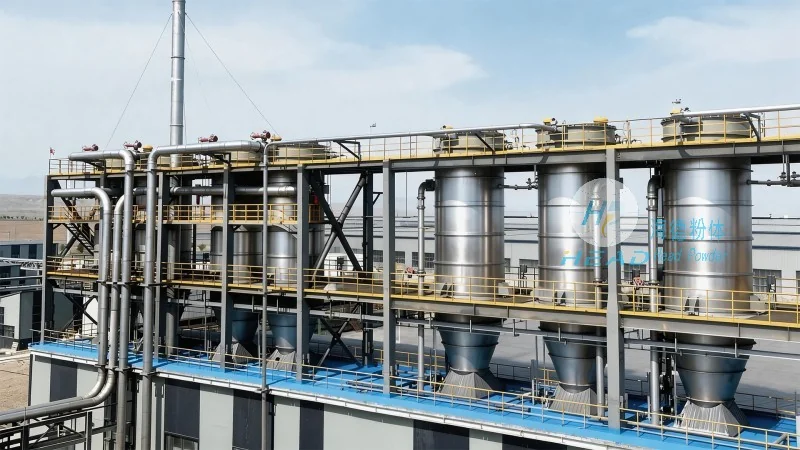
When choosing a zinc powder conveying method, several factors should be considered. The first is the material's properties, such as particle size, moisture content, and reactivity. For example, fine zinc powders may require pneumatic or vibrating conveyors to avoid blockages. The second factor is the distance and layout of the transport route. Short horizontal distances may be suitable for screw conveyors, while long distances or vertical transport may require pneumatic or vibrating systems. Cost is also a critical consideration. Screw conveyors are generally the most economical for short distances, while pneumatic systems may have higher initial and operational costs. Finally, safety and environmental regulations must be taken into account. Systems that minimize dust and provide enclosed transport are often preferred in modern industrial settings.
Each zinc powder conveying method has its own strengths and weaknesses. The best choice depends on the specific requirements of your application. By understanding the advantages and disadvantages of each option, you can select a system that maximizes efficiency, safety, and cost-effectiveness. For expert guidance on selecting the right conveying system for your zinc powder handling needs, contact Shandong HeadPowder Engineering Co., Ltd., a leading provider of industrial conveying solutions based in China.

 Shandong Headpowder Engineering Co., Ltd.
 156-6277-7102(Manager Zhang)
  0531-83386006
  Zhangqiu District, Jinan City, Shandong Province, China
telephone
WeChatconsult
top