With more than 10‑year industry experience, Shandong Headpowder delivers full‑service pneumatic‑conveying systems and blowers, undertaking nationwide turn‑key powder‑handling projects.
Biological enzymes are essential catalysts in numerous industrial and biotechnological processes, and their effective delivery is paramount for achieving optimal performance. Understanding the various methods of delivering these enzymes is crucial for researchers and industry stakeholders. This article provides a comprehensive comparison of common biological enzyme delivery approaches, focusing on their mechanisms, advantages, and practical applications. The information is presented by Shandong HeadPowder Engineering Co., Ltd., a leading provider of advanced biotechnological solutions based in China.
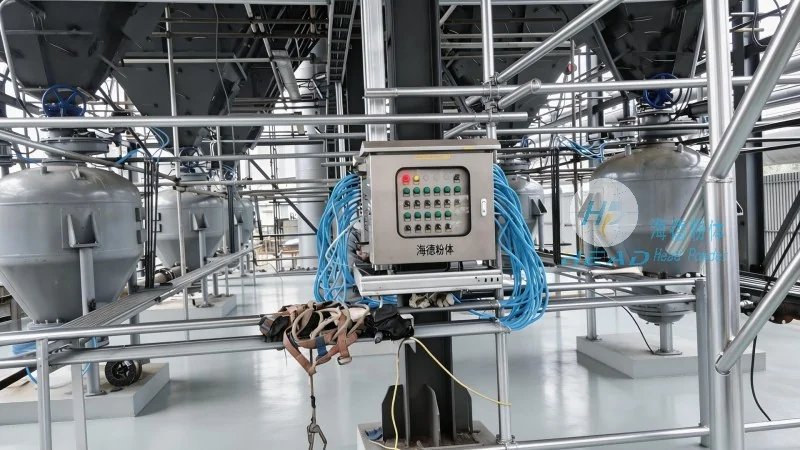
Several methods are widely used to deliver biological enzymes, each with distinct characteristics and suitability for specific scenarios. The primary strategies include direct addition, carrier-based delivery, microencapsulation, and immobilization. Each method aims to enhance enzyme stability, prolong activity, and improve operational efficiency in diverse environments. These approaches are chosen based on factors such as the enzyme's nature, the reaction conditions, and the desired outcome of the process.
Direct addition involves simply mixing the enzyme with the target substrate or reaction medium without any additional carriers or modifications. This approach is straightforward and cost-effective, making it suitable for applications where enzyme stability is not a critical concern. However, it often results in rapid enzyme degradation due to exposure to environmental factors such as temperature fluctuations, pH changes, and shear forces. The direct addition method is commonly used in laboratory settings or short-term processes where enzyme activity is sufficient for the task at hand, such as in small-scale experiments or pilot studies.

Carrier-based delivery utilizes inert or biocompatible materials to encapsulate or bind the enzyme, protecting it from external stresses. Common carriers include polymers, lipids, and nanoparticles. This method enhances enzyme stability by reducing its interaction with the surrounding environment and can improve its distribution in complex systems. For instance, enzyme immobilization on solid supports like silica or cellulose allows for repeated use and easier separation from the reaction mixture. Carrier-based systems are widely adopted in industrial processes, such as in the food and pharmaceutical industries, where enzyme longevity and reusability are essential. The choice of carrier material depends on the enzyme's properties and the specific application requirements, ensuring optimal performance and durability.
Microencapsulation involves enclosing the enzyme within a protective shell, typically made of polymer or lipid materials. This technique provides a higher degree of protection compared to carrier-based methods, as the shell can be designed to be impermeable to certain factors. Microencapsulated enzymes are particularly useful in applications requiring long-term storage or repeated use, as the shell prevents enzyme denaturation and maintains its activity over extended periods. The size and composition of the microcapsule can be tailored to meet specific requirements, such as controlling the release rate of the enzyme. However, microencapsulation can sometimes limit the enzyme's accessibility to substrates, potentially reducing its catalytic efficiency. Advanced microencapsulation technologies, such as using biodegradable polymers, offer additional benefits like controlled release and reduced environmental impact.
When evaluating different biological enzyme delivery methods, several factors must be considered, including enzyme stability, reusability, cost, and the specific application requirements. Direct addition offers simplicity but lacks durability, making it suitable for low-cost, short-term applications. Carrier-based delivery provides a balance between stability and reusability, making it a popular choice for industrial processes. Microencapsulation offers superior protection but may compromise enzyme accessibility. The choice of method depends on the intended use case and the priorities of the user, such as maximizing enzyme lifespan versus maintaining high catalytic rates.
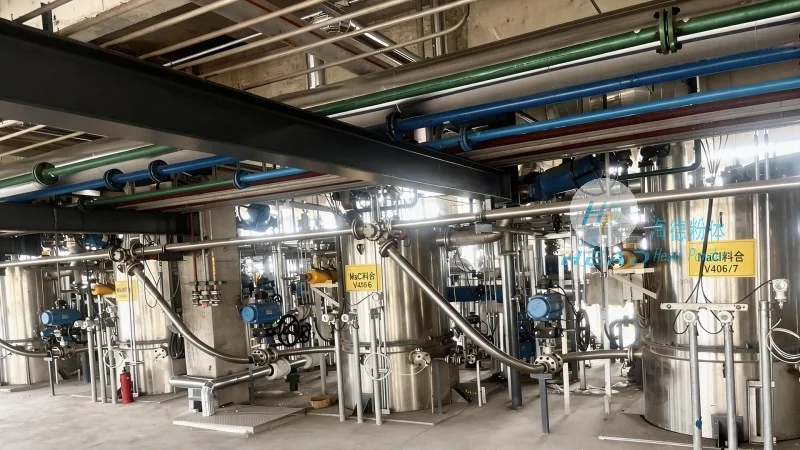
The selection of an appropriate biological enzyme delivery method significantly impacts the efficiency and sustainability of biotechnological processes. For example, in the production of biofuels, immobilized enzymes can be reused multiple times, reducing the need for frequent enzyme replenishment and lowering operational costs. In the food industry, carrier-based enzymes are often used to enhance flavor or texture, as they provide consistent performance over extended periods. Microencapsulated enzymes are particularly beneficial in pharmaceutical formulations, where controlled release is crucial for drug delivery. Practical considerations include the cost of the delivery system, the ease of preparation, and the impact on the final product's quality. Additionally, regulatory compliance and environmental sustainability are important factors, especially in industries like pharmaceuticals and food processing.
Biological enzyme delivery methods play a critical role in optimizing enzyme performance and extending their useful life. By understanding the strengths and limitations of each approach, researchers and industry professionals can select the most suitable method for their specific needs. Direct addition, carrier-based delivery, and microencapsulation each offer unique advantages and are chosen based on factors such as cost, stability requirements, and application context. As biotechnology continues to advance, the development of more sophisticated delivery systems will further enhance the utility of biological enzymes in various industries. Shandong HeadPowder Engineering Co., Ltd. remains committed to providing innovative solutions that address the evolving needs of the biotechnological sector, ensuring that biological enzymes are delivered effectively and efficiently for maximum performance.

 Shandong Headpowder Engineering Co., Ltd.
 156-6277-7102(Manager Zhang)
  0531-83386006
  Zhangqiu District, Jinan City, Shandong Province, China
telephone
WeChatconsult
top