

What Are Intelligent Unpacking Material Handling Equipment? And What Are Their Design Principles?
Intelligent unpacking material handling equipment has become a crucial component in modern industrial logistics, streamlining the process of transferring materials from packaging to processing lines with enhanced efficiency and precision. These systems are designed to automate the unpacking and sorting of various goods, reducing manual labor and minimizing errors in material handling operations.
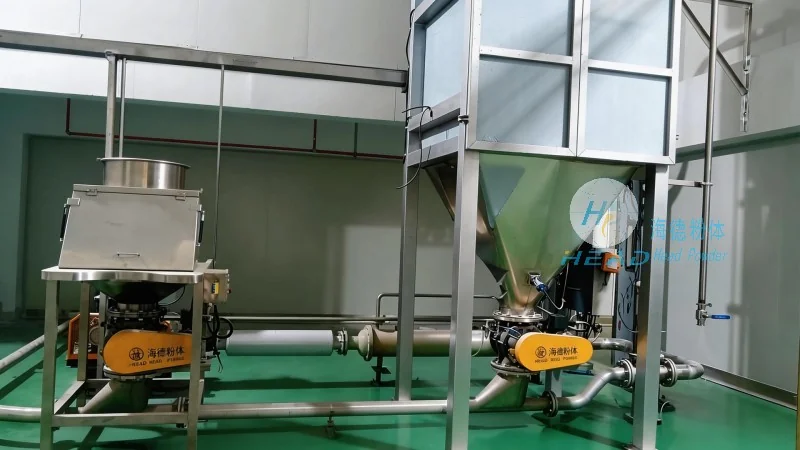
Understanding the Core Function of Intelligent Unpacking Equipment
The primary role of intelligent unpacking material handling equipment is to facilitate the transition of materials from their original packaging to the next stage of production or distribution. By integrating advanced sensors, robotics, and control systems, these devices can identify, open, and sort items with high accuracy, even when dealing with diverse packaging types and product sizes. This automation not only speeds up the material flow but also ensures consistent quality control throughout the process.
Key Design Principles Behind Modern Unpacking Systems
Designing intelligent unpacking equipment involves several critical principles aimed at optimizing performance and adaptability. One fundamental principle is modularity, allowing components such as feeding mechanisms, sorting units, and control panels to be easily replaced or upgraded without disrupting the entire system. This flexibility is essential for industries that frequently update their product lines or packaging formats. Another key principle is integration with existing production lines, ensuring seamless compatibility with other machinery and software systems, such as warehouse management or enterprise resource planning (ERP) software.
Advanced sensor technology is a cornerstone of intelligent unpacking design. Systems typically employ a combination of visual sensors (like cameras and machine vision), proximity sensors, and force sensors to detect and analyze items as they move through the equipment. Machine vision, in particular, enables the system to recognize product features, such as barcodes, labels, or unique shapes, allowing for precise sorting and routing. This technology also supports quality inspection, identifying defective or damaged items before they proceed to the next stage, thereby reducing waste and improving overall product quality.
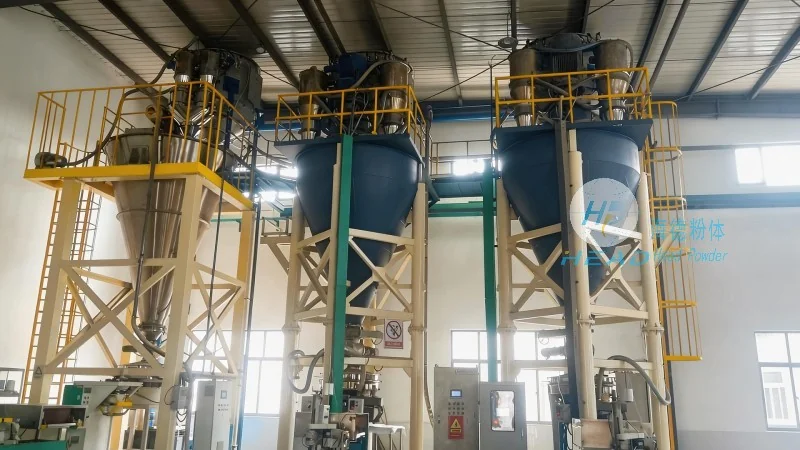
Mechanical and Structural Components in Unpacking Equipment
The mechanical design of intelligent unpacking material handling equipment is tailored to handle a wide range of packaging materials, from rigid boxes and bags to flexible containers and bulk items. Common components include feeding conveyors, which transport items into the system, and automated opening mechanisms, such as pneumatic or robotic arms, that can open sealed packages without damaging the contents. Sorting mechanisms, such as vibrating trays or air jets, then separate items based on predefined criteria, directing them to appropriate output chutes or storage locations.
Control systems play a vital role in coordinating the operation of these mechanical components. Modern unpacking equipment utilizes programmable logic controllers (PLCs) and industrial computers to manage the flow of materials, adjust speeds, and respond to real-time changes in production demands. This level of automation ensures that the system can adapt to varying throughput rates and maintain consistent performance, even under high-stress conditions. Additionally, feedback loops are integrated into the control system, allowing the equipment to self-adjust and optimize its operations based on performance data and operational parameters.
Application Scenarios and Industry Benefits
Intelligent unpacking material handling equipment is widely used across various industries, including manufacturing, pharmaceuticals, food processing, and e-commerce. In manufacturing, these systems help streamline the supply chain by quickly transferring raw materials or finished products from packaging to assembly lines. In the pharmaceutical industry, where product integrity and traceability are paramount, such equipment ensures that each item is handled with care and tracked throughout the process. The food processing sector benefits from faster unpacking speeds and reduced contamination risks, as the automated systems minimize human contact with products. In e-commerce, these devices enhance order fulfillment by efficiently sorting and preparing items for shipping, improving delivery times and customer satisfaction.
One of the most significant benefits of intelligent unpacking equipment is the reduction in labor costs and associated errors. By automating the unpacking process, companies can free up human workers to focus on more complex tasks, such as quality control or system maintenance. This shift not only improves productivity but also enhances workplace safety by minimizing the risk of injuries from manual handling of heavy or awkward packages. Furthermore, the precision of these systems leads to lower material waste, as items are sorted accurately and defective products are identified early in the process.
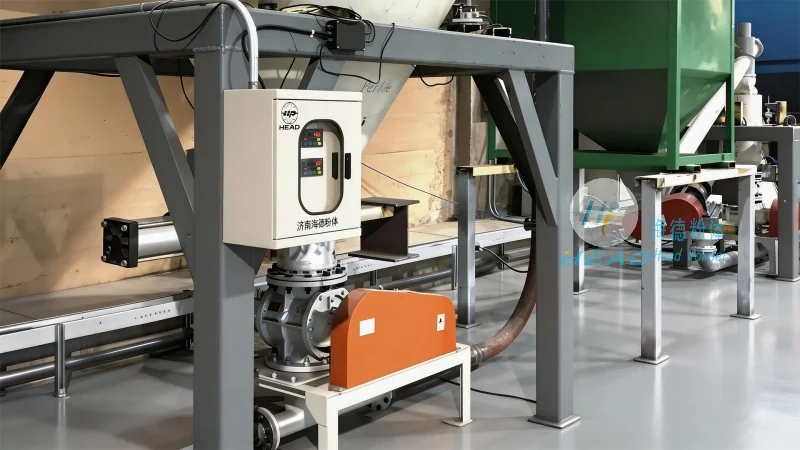
Future Trends and Technological Advancements
As technology continues to evolve, intelligent unpacking material handling equipment is expected to incorporate even more advanced features. Artificial intelligence (AI) and machine learning (ML) are increasingly being integrated into these systems, enabling them to learn from past operations and improve their performance over time. AI-powered algorithms can analyze data from sensors and adjust the system's parameters in real-time, optimizing sorting efficiency and reducing downtime. Additionally, the adoption of IoT (Internet of Things) connectivity allows for remote monitoring and maintenance of the equipment, enabling technicians to diagnose issues and perform repairs from a distance, further enhancing operational reliability.
Another emerging trend is the integration of robotics and collaborative automation in unpacking systems. Collaborative robots, or cobots, work alongside human operators, assisting with tasks such as handling heavy packages or performing quality checks. This approach combines the precision of automation with the flexibility of human intervention, creating a more adaptive and efficient workflow. Furthermore, the use of 3D printing technology in equipment manufacturing allows for customized components that can be tailored to specific industry needs, reducing production costs and increasing versatility.
About Shandong HeadPowder Engineering Co., Ltd.
Shandong HeadPowder Engineering Co., Ltd., commonly known as HeadPowder, is a leading manufacturer of intelligent material handling solutions based in China. With a strong commitment to innovation and quality, HeadPowder specializes in designing and producing advanced unpacking and sorting equipment tailored to the needs of various industries. The company's products are known for their reliability, efficiency, and adaptability, helping businesses streamline their operations and improve overall productivity. HeadPowder's team of engineers and technicians continuously researches new technologies to enhance its equipment, ensuring that customers receive cutting-edge solutions that meet their evolving requirements. The company's headquarters is located in Shandong, China, where it operates a state-of-the-art manufacturing facility and research center.