With more than 10‑year industry experience, Shandong Headpowder delivers full‑service pneumatic‑conveying systems and blowers, undertaking nationwide turn‑key powder‑handling projects.
Plug-type material handling equipment is a specialized type of industrial conveyor system designed to transport bulk materials in a controlled manner. This technology is widely used in various industries, including chemical processing, food processing, and pharmaceutical manufacturing, where precise and efficient material transfer is critical. The core function of plug-type equipment is to move materials in a plug flow, ensuring minimal mixing and maintaining product integrity throughout the process.
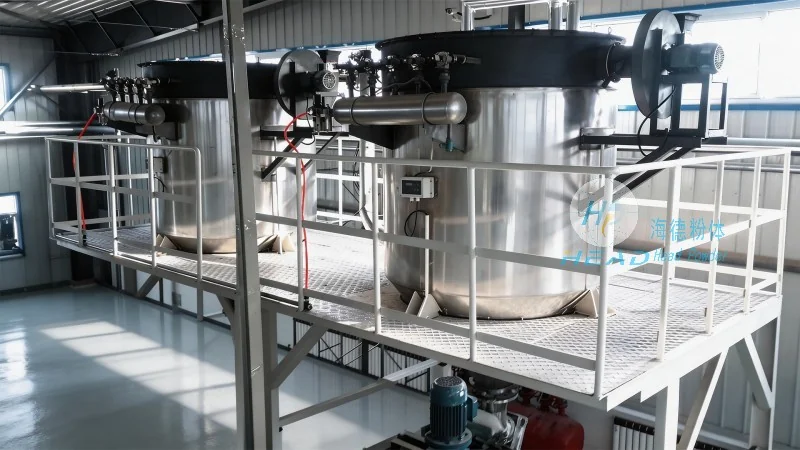
The operation of plug-type material handling equipment is based on the principle of creating a plug, or a solid, moving mass of material, that travels through the conveyor. This is achieved by using a series of valves or gates that control the flow of material. As material enters the system, it is compressed into a plug shape, which then moves forward under the influence of pressure or mechanical force. The plug flow ensures that the material moves as a single entity, preventing segregation and maintaining consistent product quality. The system typically includes a hopper, a feeding mechanism, and a series of plug-forming valves that regulate the flow rate and direction of the material.
The design of plug-type material handling equipment involves several key principles to ensure optimal performance and reliability. First, the equipment must be constructed from materials that are compatible with the processed materials, such as food-grade stainless steel for the food industry or corrosion-resistant materials for chemical applications. Second, the system must be designed to handle a wide range of particle sizes and densities, ensuring that the plug formation is consistent regardless of the material properties. Third, the control system must be robust and user-friendly, allowing operators to adjust the flow rate, pressure, and other parameters to match the specific requirements of the process. Additionally, the design must consider factors such as space constraints, energy efficiency, and maintenance requirements to ensure that the equipment is practical for real-world applications.
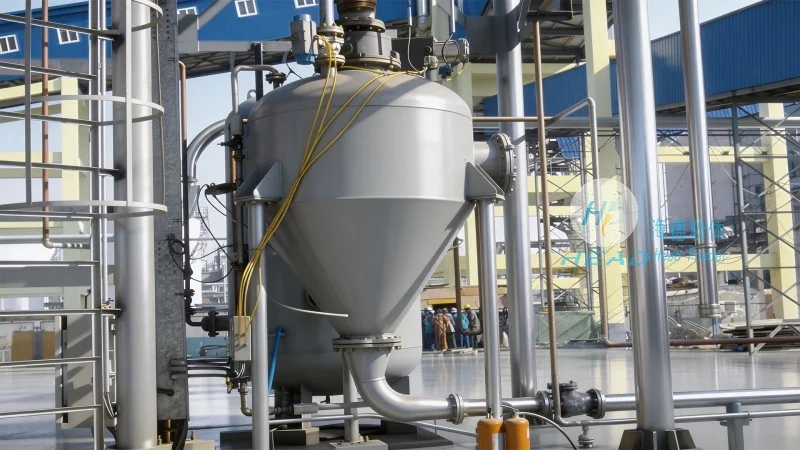
Plug-type material handling equipment consists of several key components, each playing a crucial role in the overall operation. The hopper is the initial component, where raw materials are stored and fed into the system. The feeding mechanism, often a screw or a rotary valve, controls the initial flow of material into the conveyor. The plug-forming valves are the most critical components, as they create the solid plug by compressing the material. These valves can be mechanical, pneumatic, or hydraulic, depending on the application and the required force. The conveyor itself, which can be a belt or a screw conveyor, transports the plug along the desired path. Finally, the discharge mechanism, such as a rotary valve or a gate, releases the material at the end of the process.
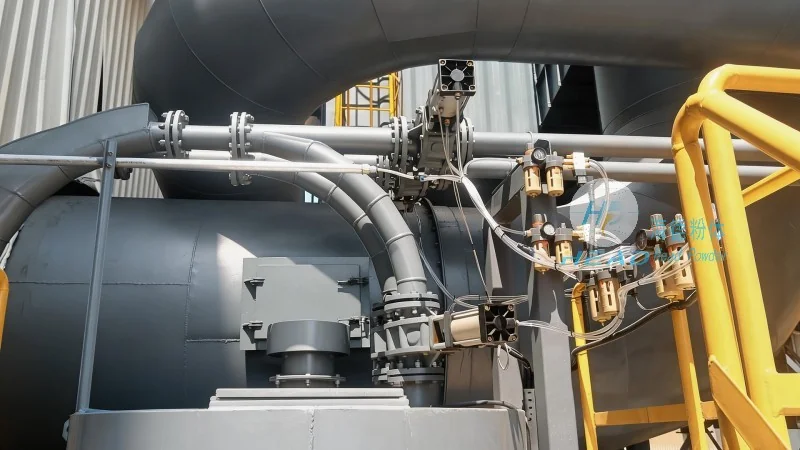
Plug-type material handling equipment offers several advantages over traditional conveyor systems. One of the primary benefits is the ability to maintain product integrity by preventing mixing and segregation. This is particularly important for materials that are sensitive to contamination or that need to be kept separate for quality control. Another advantage is the high efficiency in material transfer, as the plug flow allows for a continuous and consistent movement of material, reducing downtime and increasing production throughput. Additionally, the system is highly customizable, allowing manufacturers to adapt the equipment to specific process requirements. The plug-type design also reduces the need for additional processing steps, such as screening or mixing, as the material remains in a controlled state throughout the transfer.
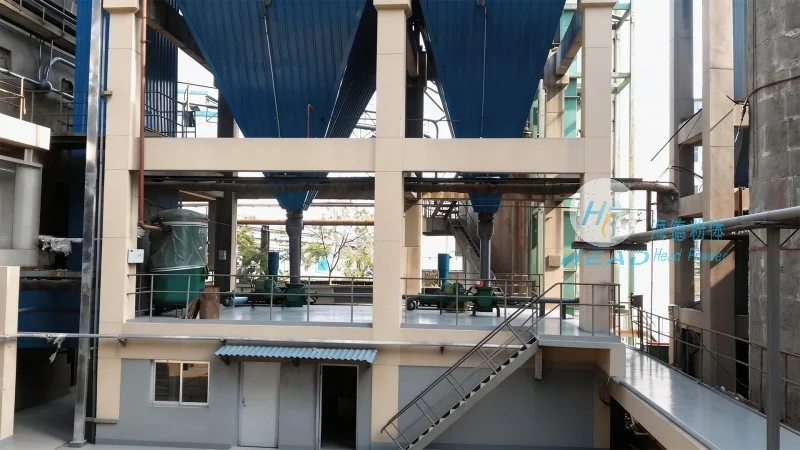
Plug-type material handling equipment is used in a variety of industries due to its versatility and effectiveness. In the chemical industry, it is used to transport powders and granules that are sensitive to moisture or air, ensuring that the material remains dry and free from contamination. In the food industry, the equipment is used to handle ingredients such as flour, sugar, and spices, maintaining their quality and preventing cross-contamination. The pharmaceutical industry also relies on plug-type equipment to transport active pharmaceutical ingredients (APIs) and other sensitive materials, ensuring that the products are handled under sterile and controlled conditions. Other applications include the mining and mineral processing industries, where the equipment is used to transport ores and other bulk materials from one processing stage to another.
Shandong HeadPowder Engineering Co., Ltd. specializes in designing and manufacturing plug-type material handling equipment tailored to the specific needs of their clients. The company, commonly known as HeadPowder, offers a range of customizable solutions that can be integrated with existing production lines. The design process involves working closely with clients to understand their process requirements, material characteristics, and space constraints. HeadPowder engineers then develop a customized solution that meets all the technical and operational requirements. The equipment is manufactured using high-quality materials and advanced manufacturing techniques to ensure durability and reliability. The company also provides after-sales support, including maintenance and repair services, to ensure that the equipment operates at optimal performance levels.

 Shandong Headpowder Engineering Co., Ltd.
 156-6277-7102(Manager Zhang)
  0531-83386006
  Zhangqiu District, Jinan City, Shandong Province, China
telephone
WeChatconsult
top