With more than 10‑year industry experience, Shandong Headpowder delivers full‑service pneumatic‑conveying systems and blowers, undertaking nationwide turn‑key powder‑handling projects.
When it comes to industrial applications that require precise and efficient handling of powders, the automatic powder feeding and metering system stands out as a critical solution. This equipment is designed to handle a wide range of powder materials, ensuring accurate measurement and controlled delivery for various processes. Understanding the design principles behind such systems is essential for optimizing performance and reliability in industrial settings.
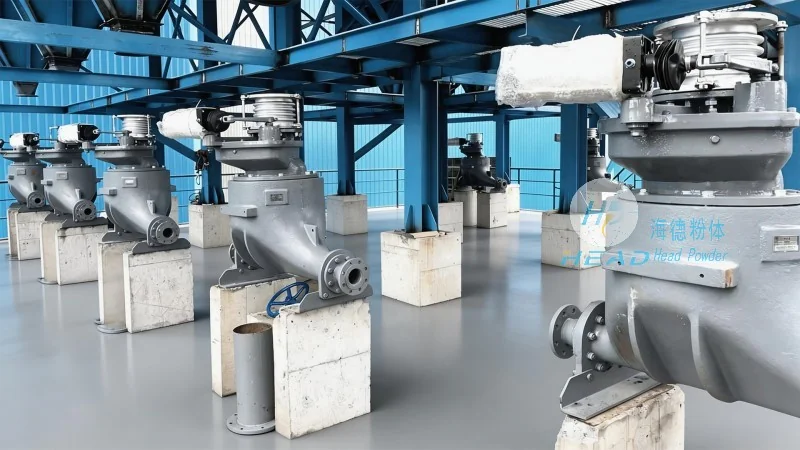
At the core of many industrial operations, the automatic powder feeding system plays a pivotal role in maintaining consistency and efficiency. These systems are engineered to handle bulk materials, from fine powders to granules, with precision. The primary goal is to ensure that the right amount of material is delivered at the right time, which is crucial for processes like mixing, blending, and packaging. The system's design integrates advanced technology to achieve this level of accuracy, making it indispensable in sectors such as pharmaceuticals, food processing, and chemical manufacturing.
The automatic powder feeding line consists of several interconnected components that work in harmony to achieve the desired outcomes. These components include feeders, hoppers, metering devices, and control systems. Each part is carefully selected and configured to meet the specific requirements of the application. For instance, the feeder is responsible for drawing material from the hopper and delivering it to the metering device. The metering device, which can be a gravimetric or volumetric type, ensures that the exact quantity of powder is measured and dispensed. The control system, often equipped with sensors and software, monitors the entire process, adjusting parameters as needed to maintain accuracy.
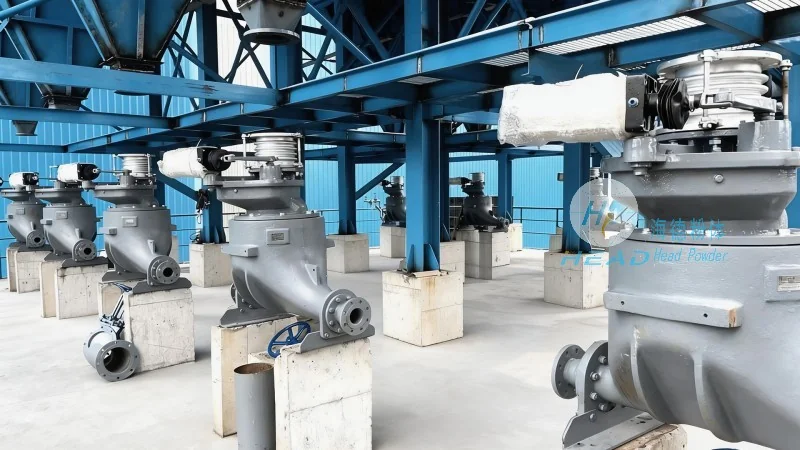
The design of an automatic powder feeding system is guided by several key principles aimed at achieving precision, reliability, and adaptability. One of the fundamental principles is the use of closed-loop control systems. These systems continuously monitor the flow rate and adjust the feeder speed to compensate for variations in material density or flow characteristics. This closed-loop approach minimizes errors and ensures consistent output, which is vital for maintaining product quality. Another critical principle is the integration of material handling and processing capabilities. The system is designed to handle different powder types without compromising performance, making it versatile for various industrial needs.
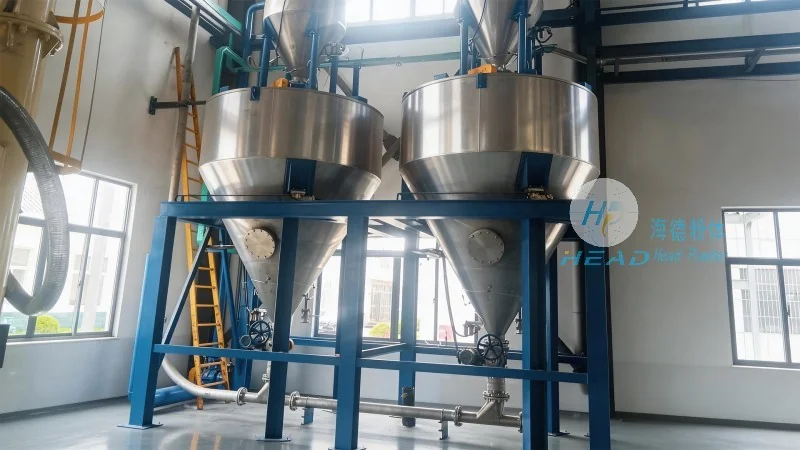
When selecting an automatic powder feeding system, the choice between gravimetric and volumetric metering is a critical decision. Gravimetric systems measure the weight of the material being dispensed, providing high accuracy and repeatability. This method is ideal for applications where precise dosage is essential, such as in pharmaceutical manufacturing. Volumetric systems, on the other hand, measure the volume of material, which is suitable for less critical applications or when the material's density is consistent. The design of the system must consider the specific characteristics of the powder, including its flowability and density, to determine the most appropriate metering method.
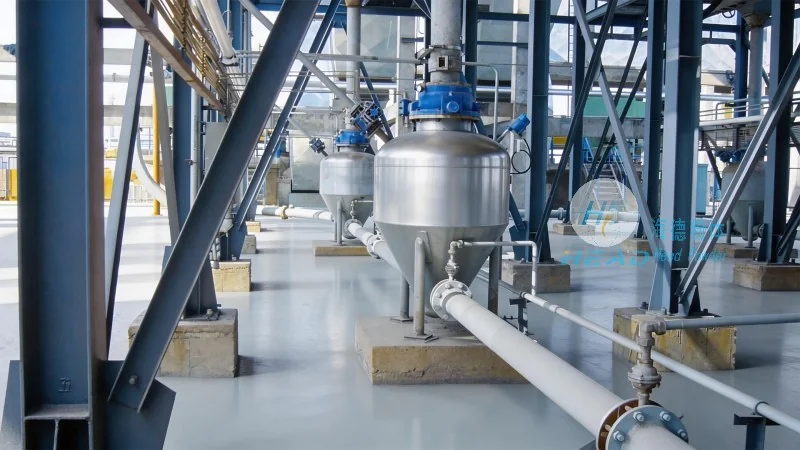
Implementing an automatic powder feeding system offers numerous advantages for industrial operations. Firstly, it enhances process efficiency by reducing manual intervention and minimizing errors. The system's ability to maintain consistent feed rates leads to improved product quality and reduced waste. Additionally, it increases safety by minimizing human exposure to powders, which can be hazardous in some cases. The system's adaptability allows it to handle a wide range of materials, making it a versatile solution for various industries. Furthermore, the integration of advanced control systems enables real-time monitoring and data collection, facilitating process optimization and troubleshooting.
The automatic powder feeding system finds applications in diverse industrial sectors. In the pharmaceutical industry, it is used for the precise dosing of active ingredients, ensuring compliance with regulatory standards. In food processing, it helps maintain consistent ingredient ratios in products like cereals and snacks. The chemical industry utilizes these systems for blending chemicals, where accuracy is crucial for product performance. Additionally, in the manufacturing of cosmetics and personal care products, the system ensures uniform mixing of powders and liquids. Each application benefits from the system's ability to deliver precise quantities, leading to higher quality and efficiency.

 Shandong Headpowder Engineering Co., Ltd.
 156-6277-7102(Manager Zhang)
  0531-83386006
  Zhangqiu District, Jinan City, Shandong Province, China
telephone
WeChatconsult
top