With more than 10‑year industry experience, Shandong Headpowder delivers full‑service pneumatic‑conveying systems and blowers, undertaking nationwide turn‑key powder‑handling projects.
When it comes to industrial processes that involve the movement and handling of paper sheets, understanding the mechanisms behind efficient material handling systems is crucial. A paper sheet material handling system is a specialized setup designed to transport, position, and manage paper sheets through various stages of production or processing. These systems are integral to industries such as printing, packaging, and manufacturing, where the smooth flow of paper materials is essential for operational efficiency.
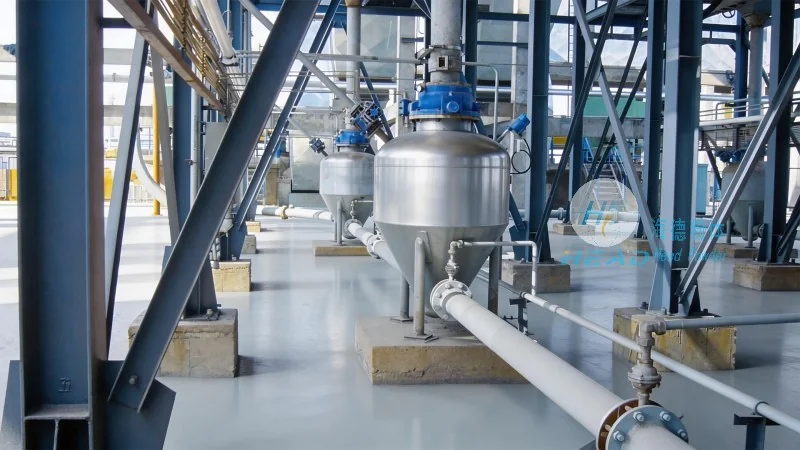
The functionality of a paper sheet material handling system relies on several key components that work in tandem to ensure accurate and reliable operation. These components typically include conveyors, rollers, feeders, and control mechanisms. Conveyors, often in the form of belt or roller systems, are responsible for transporting the paper sheets from one location to another. Rollers, either smooth or textured, help in guiding and aligning the paper sheets, preventing jams and ensuring consistent movement. Feeders, on the other hand, are designed to feed the paper sheets into subsequent processing equipment, such as printers or cutters. Control mechanisms, which may include sensors and automation systems, monitor the position and speed of the paper sheets, allowing for real-time adjustments to maintain optimal performance.
The design of a paper sheet material handling system is guided by several fundamental principles aimed at maximizing efficiency, minimizing downtime, and ensuring the integrity of the paper sheets. One of the primary design principles is the need for smooth and continuous motion. This is achieved through the use of well-lubricated rollers and tension control systems that prevent the paper from stretching or tearing during transport. Another critical principle is the importance of alignment and precision. Proper alignment of the paper sheets is essential to avoid misfeeds or jams, which can lead to production delays. This is typically accomplished through the integration of sensors and feedback loops that adjust the position of the paper sheets as needed. Additionally, the design must consider the material properties of the paper itself. Different types of paper have varying thicknesses, weights, and textures, which may require specialized handling equipment to prevent damage or deformation. For instance, delicate or high-quality paper may need gentle handling mechanisms, such as soft rollers or air cushions, to avoid creasing or tearing.
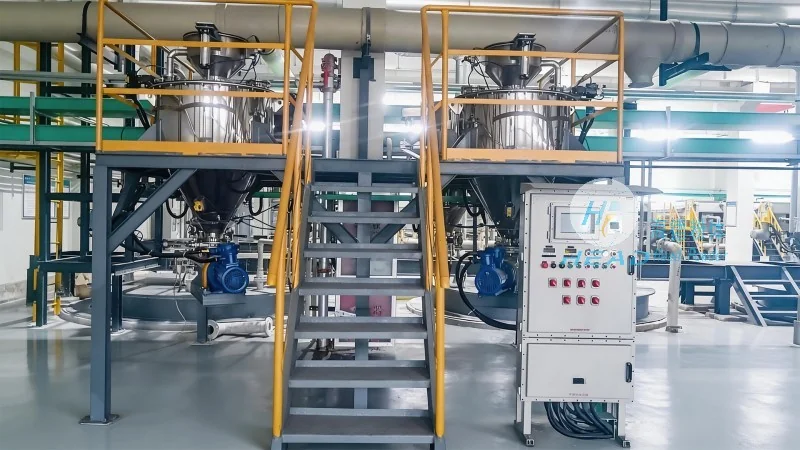
In contemporary industrial settings, automation plays a pivotal role in enhancing the performance of paper sheet material handling systems. Automated systems utilize sensors, cameras, and control software to monitor and adjust the handling process in real-time. This not only improves the accuracy of paper positioning but also reduces the risk of human error. For example, vision systems can detect the presence and position of paper sheets, ensuring that only the correct sheets are fed into the next stage of production. Additionally, automated systems can adapt to changes in paper characteristics, such as variations in thickness or moisture content, by adjusting the speed and tension of the handling equipment. This adaptability is crucial in maintaining consistent output quality, especially in industries where product specifications are stringent.
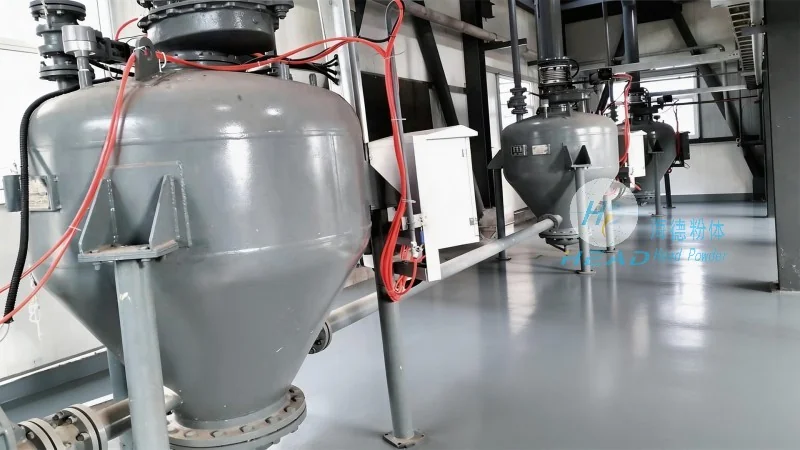
Paper sheet material handling systems find widespread application across various industries, each with specific requirements tailored to their production processes. In the printing industry, these systems are essential for feeding paper into printing presses, ensuring that sheets are delivered at the correct speed and alignment to produce high-quality prints. In the packaging industry, they are used to transport paper sheets for converting into boxes, labels, or other packaging materials. The manufacturing industry also utilizes these systems for processes such as cutting, folding, and laminating paper products. Each application requires a customized design that addresses the unique challenges of the industry, such as handling large volumes of paper or working with different paper types.
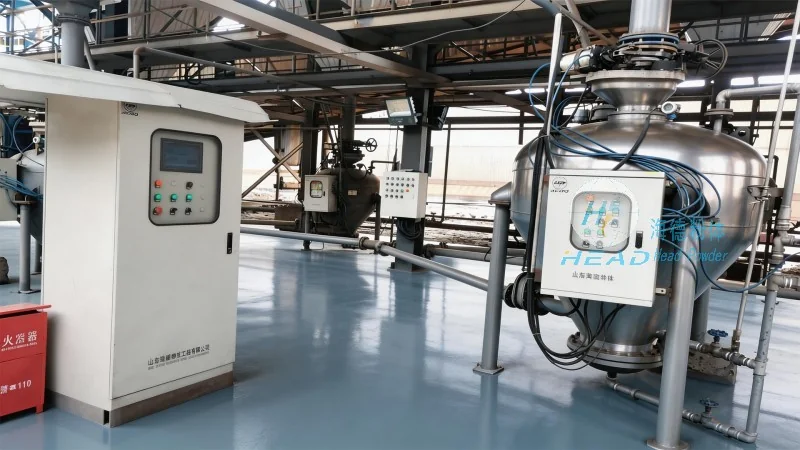
When implementing a paper sheet material handling system, several factors must be carefully considered to ensure optimal performance and longevity. First, the system must be designed to accommodate the specific dimensions and weight of the paper sheets being handled. This includes selecting appropriate conveyor belts or rollers that can support the load without causing wear or damage. Second, the system should be integrated with existing production lines to minimize disruptions during installation and operation. This may involve coordinating with other equipment, such as printers or cutters, to ensure seamless communication and data exchange. Third, maintenance and reliability are critical considerations. The system should be built with durable components and include regular maintenance schedules to prevent breakdowns and extend its operational life. Finally, the system must comply with safety standards to protect operators and prevent accidents. This includes features such as emergency stop buttons, safety guards, and proper ventilation to handle any potential hazards associated with paper handling.
In conclusion, a paper sheet material handling system is a vital component of modern industrial operations, enabling the efficient and reliable movement of paper sheets through various production stages. The design principles, components, and automation features of these systems are carefully tailored to meet the specific needs of different industries, ensuring that paper materials are handled with precision and care. By understanding the core elements and considerations involved in designing and implementing such systems, businesses can enhance their operational efficiency, reduce costs, and maintain high-quality output. As technology continues to advance, the integration of more sophisticated automation and control systems will further improve the performance of paper sheet material handling systems, making them even more indispensable in the industrial landscape.

 Shandong Headpowder Engineering Co., Ltd.
 156-6277-7102(Manager Zhang)
  0531-83386006
  Zhangqiu District, Jinan City, Shandong Province, China
telephone
WeChatconsult
top