With more than 10‑year industry experience, Shandong Headpowder delivers full‑service pneumatic‑conveying systems and blowers, undertaking nationwide turn‑key powder‑handling projects.
Pharmaceutical material handling systems are essential infrastructure in the pharmaceutical manufacturing industry, responsible for the seamless movement of raw materials, intermediate products, and finished pharmaceuticals from one stage of production to the next. These systems are not merely about transporting goods; they are critical to maintaining the integrity, safety, and regulatory compliance of pharmaceutical products. As a specialized engineering firm, Shandong HeadPowder Engineering Co., Ltd., commonly referred to as headpowder, recognizes the unique challenges of the pharmaceutical sector and designs material handling solutions that address these challenges effectively. With a focus on precision, reliability, and adherence to industry standards, headpowder has become a trusted partner for pharmaceutical companies seeking to optimize their material handling processes.
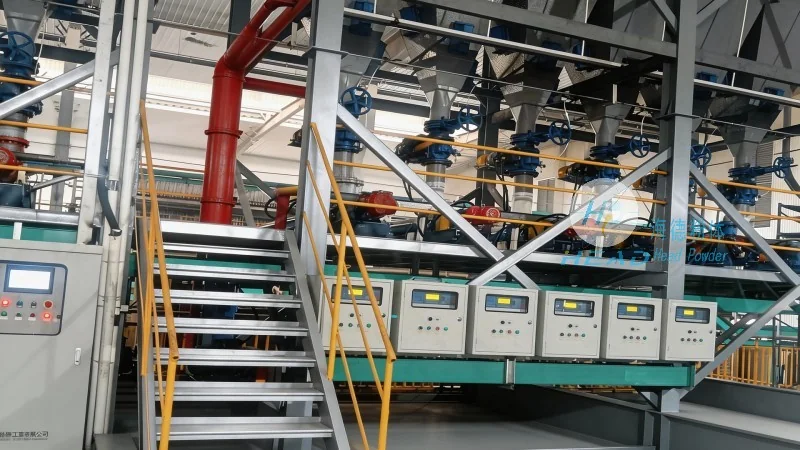
The foundation of any pharmaceutical material handling system lies in its core components, which are carefully selected and integrated to ensure efficient operation. These components typically include conveyors (such as belt, chain, or roller conveyors), storage solutions (like automated storage and retrieval systems or pallet racking), and material handling equipment (including forklifts, automated guided vehicles, or robotic systems). The design of these systems follows several key principles to maximize performance and safety. One fundamental principle is the principle of minimal handling, which aims to reduce the number of manual steps involved in material movement, thereby minimizing the risk of human error and contamination. Another critical principle is the principle of integration, ensuring that the material handling system is seamlessly integrated with the overall manufacturing process, from raw material reception to final product packaging. Additionally, the design must prioritize the use of materials that are compatible with pharmaceutical products, such as stainless steel or food-grade plastics, to prevent any potential for cross-contamination. The system should also be designed for easy cleaning and sanitization, as these processes are often required to maintain aseptic conditions in pharmaceutical manufacturing.
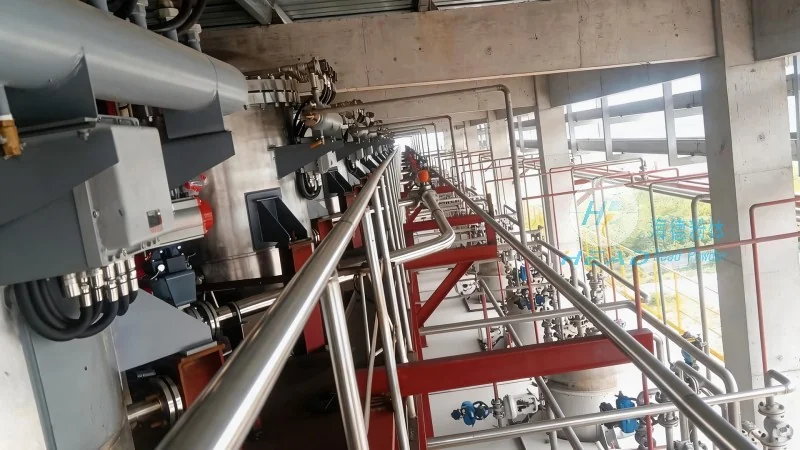
Designing a pharmaceutical material handling system requires careful consideration of several factors to ensure it meets the stringent requirements of the industry. First, the system must be constructed from materials that are non-reactive and easy to clean, such as stainless steel or specialized plastics, to prevent any interaction with pharmaceutical products. Second, the design must incorporate robust cleaning protocols, including regular sanitization and the use of cleaning-in-place (CIP) systems, to maintain a sterile environment. Third, the system should be designed for easy access and maintenance, allowing for quick repairs and adjustments without disrupting production. Fourth, the integration of real-time tracking and monitoring technologies, such as radio-frequency identification (RFID) or barcode systems, is essential for traceability and inventory management. This enables manufacturers to track every product from raw material to finished goods, ensuring that any issues can be quickly identified and addressed. Finally, the system must be scalable, allowing for future expansion and adaptation to changing production needs, ensuring long-term investment value.
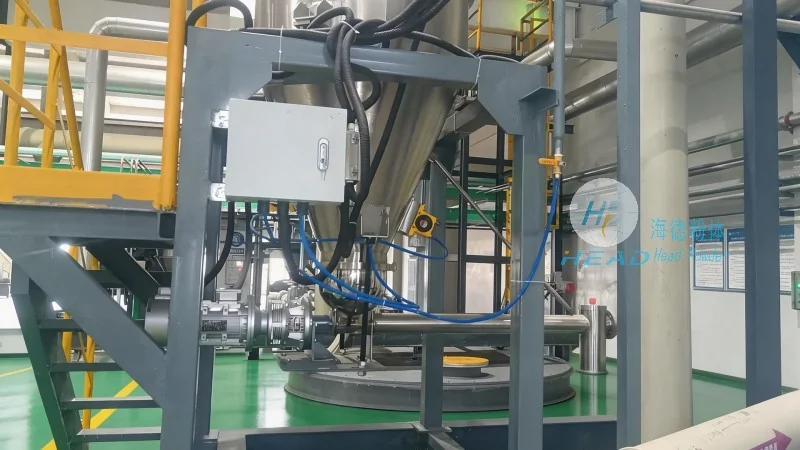
Shandong HeadPowder Engineering Co., Ltd. employs a comprehensive approach to designing and implementing pharmaceutical material handling systems. The process begins with a detailed analysis of the client's production requirements, including the volume of materials, the types of products being handled, and the specific regulatory standards that must be adhered to. Based on this analysis, the company develops a customized solution that incorporates the latest technologies and best practices in the industry. For example, headpowder may recommend the use of automated conveyor systems with integrated sensors to detect and prevent product jams or spills, or implement an automated storage and retrieval system (AS/RS) to optimize storage space and reduce manual handling. The company also emphasizes the importance of user training and system maintenance, ensuring that operators are well-equipped to handle the system effectively and that regular maintenance schedules are in place to prevent breakdowns. By taking a holistic approach, headpowder ensures that the material handling system not only meets current needs but also supports future growth and operational efficiency.
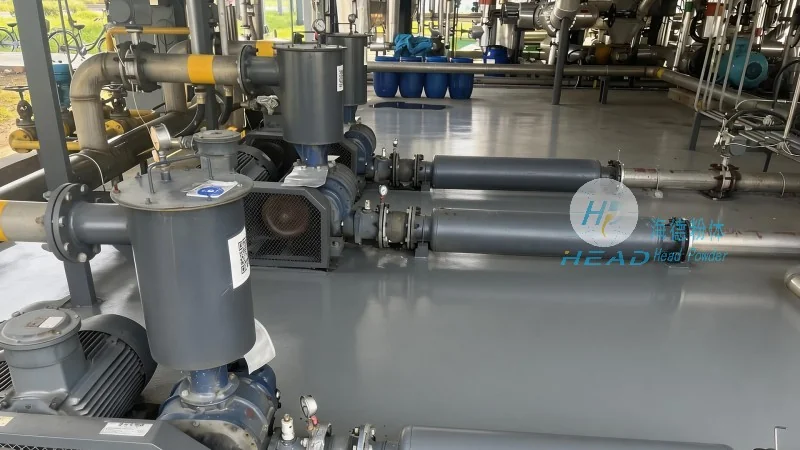
Implementing a well-designed pharmaceutical material handling system offers significant advantages for pharmaceutical manufacturers. Firstly, it enhances operational efficiency by reducing the time and labor required for material movement. This leads to increased production throughput and lower labor costs, allowing companies to produce more products in less time. Secondly, the system improves product quality and safety by minimizing the risk of contamination and damage during handling. This is particularly critical for sterile products, where even minor contamination can have serious consequences for patient safety. Thirdly, the implementation of advanced tracking and monitoring technologies improves inventory management and traceability, enabling manufacturers to quickly identify and recall any affected products in the event of a quality issue. This not only protects the company's reputation but also ensures compliance with regulatory requirements. Finally, a well-designed system helps pharmaceutical companies maintain compliance with industry regulations, reducing the risk of fines or product recalls. By investing in an effective material handling system, pharmaceutical manufacturers can achieve higher productivity, better product quality, and enhanced regulatory compliance, ultimately contributing to their long-term success in the competitive pharmaceutical market.

 Shandong Headpowder Engineering Co., Ltd.
 156-6277-7102(Manager Zhang)
  0531-83386006
  Zhangqiu District, Jinan City, Shandong Province, China
telephone
WeChatconsult
top