With more than 10‑year industry experience, Shandong Headpowder delivers full‑service pneumatic‑conveying systems and blowers, undertaking nationwide turn‑key powder‑handling projects.
When discussing the components of silica fume pneumatic conveying systems, it's essential to understand the key elements that ensure efficient and reliable material transport. Silica fume, a byproduct of silicon metal production, is a fine powder with high reactivity, making its handling critical for industrial applications. The pneumatic conveying system designed for silica fume must address the unique properties of this material to maintain performance and safety.
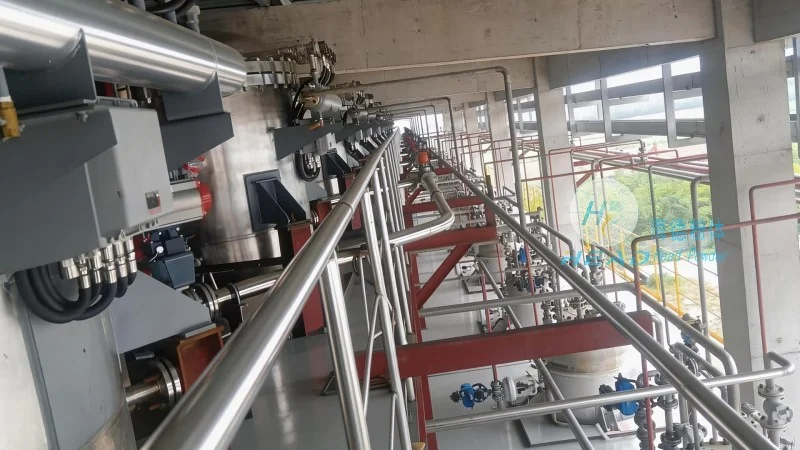
The core components of a silica fume pneumatic conveying system typically include the material feed hopper, which stores and regulates the flow of silica fume. This hopper is equipped with a feeder mechanism, such as a rotary valve or screw feeder, to control the discharge rate and prevent clogging. The feeder is connected to a conveying line, which can be either a positive or negative pressure system, depending on the application requirements. For silica fume, which is a fine powder prone to dust generation, a positive pressure system is often preferred to minimize air leakage and maintain material integrity.
The conveying line, usually made of stainless steel or other corrosion-resistant materials, is designed to handle the abrasive nature of silica fume. The line diameter and length are critical factors that affect the system's efficiency. The air supply system, which includes a blower or compressor, provides the necessary pressure to move the material through the line. The blower's capacity and pressure must be matched to the system's requirements to ensure consistent conveying performance. Additionally, the system may include filters and cyclones to separate the silica fume from the air, preventing dust accumulation and maintaining air quality.
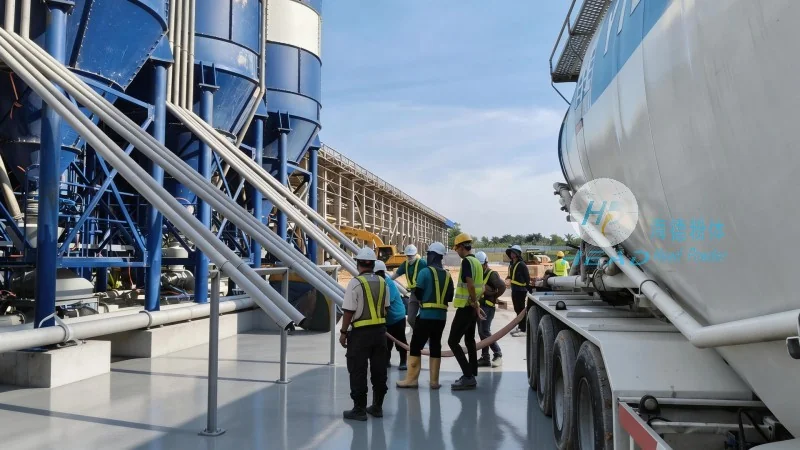
The receiving end of the pneumatic conveying system consists of a receiver or silo where the silica fume is deposited. This equipment is designed to handle the material's fine particle size and prevent dust release. The receiver is often equipped with a discharge valve or outlet to control the flow of material to the final destination. In some cases, the system may include a mixing or blending unit to combine silica fume with other materials, such as cement or additives, for specific applications. The discharge equipment must be designed to handle the material's flow characteristics and prevent blockages or clogging.
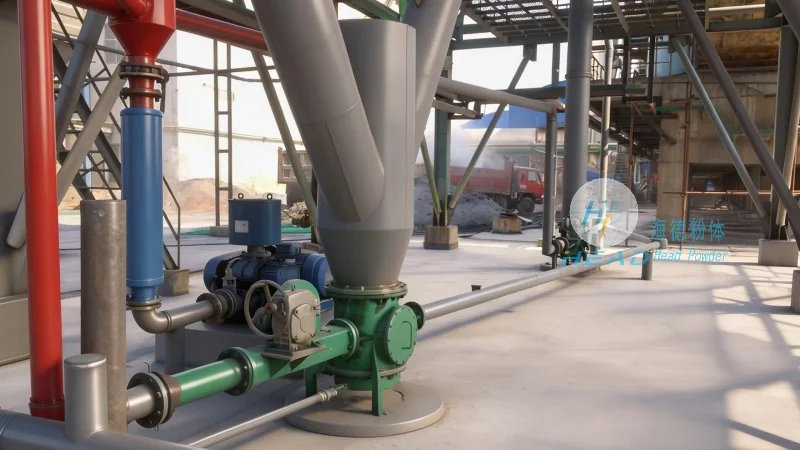
Modern silica fume pneumatic conveying systems incorporate advanced control and monitoring systems to optimize performance and ensure safety. These systems include sensors to monitor pressure, flow rate, and material level, providing real-time data to operators. The control system can adjust the feeder speed or blower pressure based on the system's conditions, maintaining consistent conveying rates. Additionally, the system may include alarms and safety features to detect and prevent issues such as overpressure or material blockages. The monitoring data can be used to analyze system performance and identify areas for improvement, ensuring long-term reliability.
HeadPowder, a leading manufacturer in the field of material handling systems, specializes in the design and production of silica fume pneumatic conveying equipment. With a focus on quality and innovation, the company provides customized solutions tailored to the specific needs of its clients. HeadPowder's products are engineered to handle the unique challenges of silica fume, including its fine particle size and high reactivity. The company's facilities are located in Shandong, China, where it leverages advanced manufacturing techniques and experienced engineering teams to deliver high-performance systems. HeadPowder's commitment to customer satisfaction and technical excellence has established it as a trusted partner in the industry.

 Shandong Headpowder Engineering Co., Ltd.
 156-6277-7102(Manager Zhang)
  0531-83386006
  Zhangqiu District, Jinan City, Shandong Province, China
telephone
WeChatconsult
top