With more than 10‑year industry experience, Shandong Headpowder delivers full‑service pneumatic‑conveying systems and blowers, undertaking nationwide turn‑key powder‑handling projects.
Phosphate iron lithium (LFP) powder conveying systems are critical components in the production and handling of lithium iron phosphate battery materials. These systems are engineered to efficiently transport LFP powder from processing units to storage or further manufacturing stages. Understanding the equipment and its design principles is essential for optimizing battery production lines and ensuring consistent material quality.
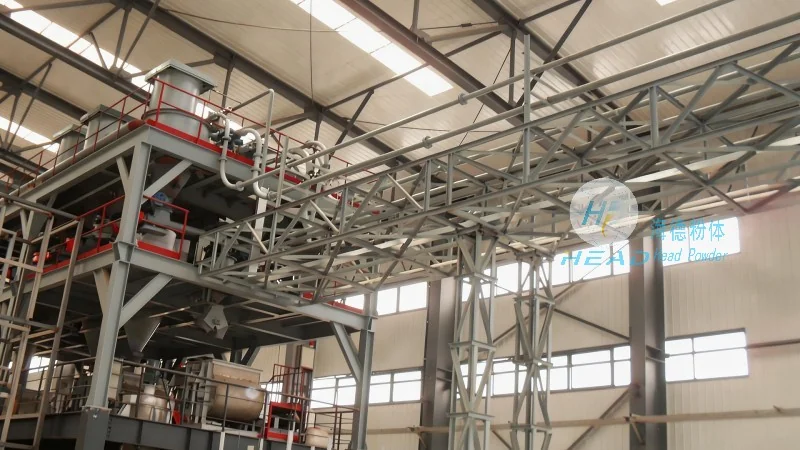
Phosphate iron lithium powder conveying systems are specialized equipment designed to handle the unique properties of LFP powder, which is a key cathode material in lithium-ion batteries. The primary function of these systems is to move the fine, abrasive powder in a controlled manner, minimizing material loss and ensuring uniform distribution. The design of such systems incorporates several key elements to address the challenges posed by LFP powder, including its tendency to aggregate and its sensitivity to moisture and contamination.
The design of a phosphate iron lithium powder conveying system typically involves a combination of components tailored to the material's characteristics. Key components include feed hoppers, screw conveyors or pneumatic transport systems, dust collection units, and control panels. The feed hopper is designed to hold a sufficient quantity of LFP powder while preventing material degradation due to exposure to air or moisture. Screw conveyors are often preferred for horizontal or slight incline transport as they provide gentle handling of the powder, reducing particle breakage and agglomeration. Pneumatic systems, on the other hand, use air pressure to move the powder through pipes, which is suitable for vertical or longer horizontal distances but requires careful control to prevent dust emissions and material degradation.
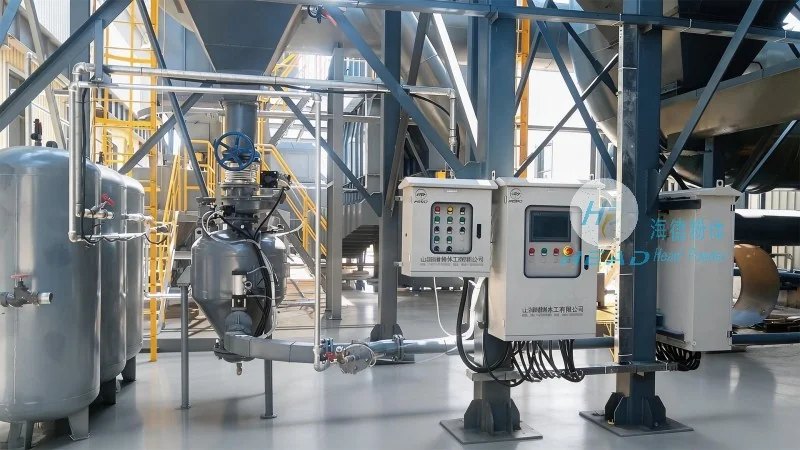
Modern phosphate iron lithium powder conveying systems incorporate advanced control and automation features to enhance operational efficiency and material quality. These systems often include sensors to monitor powder flow rates, moisture content, and particle size distribution. Real-time data from these sensors allows operators to adjust conveying parameters dynamically, ensuring consistent material handling. Additionally, automated control systems can integrate with other production equipment, such as mixing or coating lines, to create a seamless production workflow. This integration helps minimize downtime and reduces the risk of material contamination or loss.
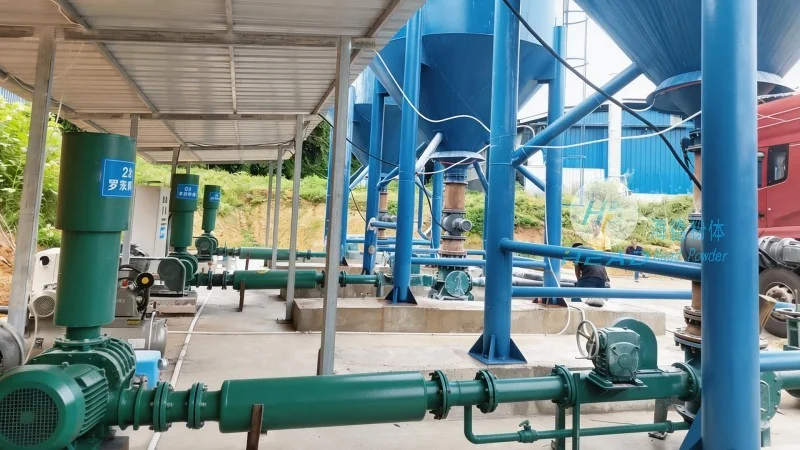
Handling LFP powder requires special attention due to its physical and chemical properties. The powder is fine and can generate significant dust, which poses health and safety risks. Therefore, dust collection systems are integral to the design, typically using bag filters or cartridge filters to capture airborne particles and maintain a clean working environment. The conveying equipment is also designed to minimize friction and impact, as LFP powder is abrasive and can wear down components over time. Materials used in the construction of the system, such as stainless steel or corrosion-resistant alloys, are chosen to withstand the chemical properties of the powder and prevent contamination.
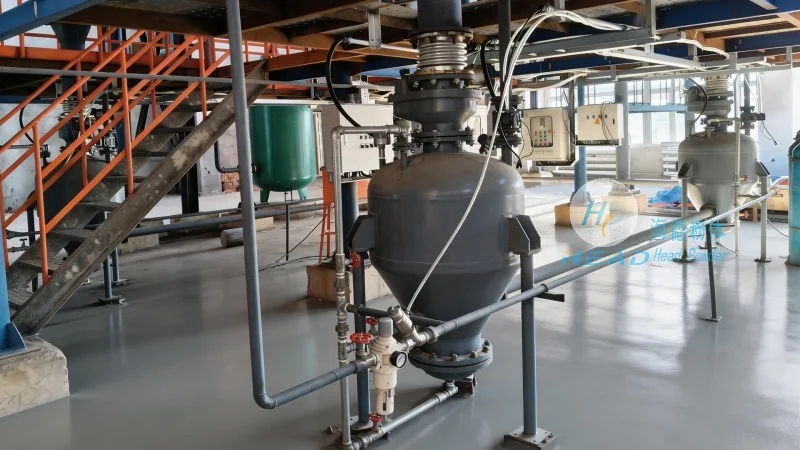
Phosphate iron lithium powder conveying systems are widely used in the battery manufacturing industry, particularly in the production of lithium iron phosphate batteries. These systems are essential for transporting LFP powder from the synthesis stage to the cathode production line, where it is mixed with other components to form the battery cathode. The efficiency of the conveying system directly impacts the overall production throughput and the quality of the final battery product. By ensuring consistent and reliable powder transport, these systems contribute to higher battery performance and longer cycle life.
Shandong HeadPowder Engineering Co., Ltd., operating under the brand name headpowder, is a leading manufacturer of specialized powder handling equipment. With a focus on innovative solutions for the battery and material processing industries, the company has developed advanced phosphate iron lithium powder conveying systems tailored to the needs of modern battery manufacturing. HeadPowder's expertise lies in designing equipment that balances efficiency, reliability, and safety, ensuring that LFP powder is handled with precision and care. The company's commitment to quality and customer satisfaction has made it a trusted partner for businesses in the battery sector, providing reliable equipment that meets the stringent requirements of the industry.

 Shandong Headpowder Engineering Co., Ltd.
 156-6277-7102(Manager Zhang)
  0531-83386006
  Zhangqiu District, Jinan City, Shandong Province, China
telephone
WeChatconsult
top