With more than 10‑year industry experience, Shandong Headpowder delivers full‑service pneumatic‑conveying systems and blowers, undertaking nationwide turn‑key powder‑handling projects.
Understanding the mineral sand powder conveying system is crucial for industries dealing with bulk material handling, especially in the processing of mineral sands. This system is engineered to efficiently transport fine powders and granular materials, such as those found in mining and processing operations. The design principles behind these systems are tailored to address the unique challenges posed by mineral sands, including their abrasive nature, varying particle sizes, and the need for precise control over material flow.
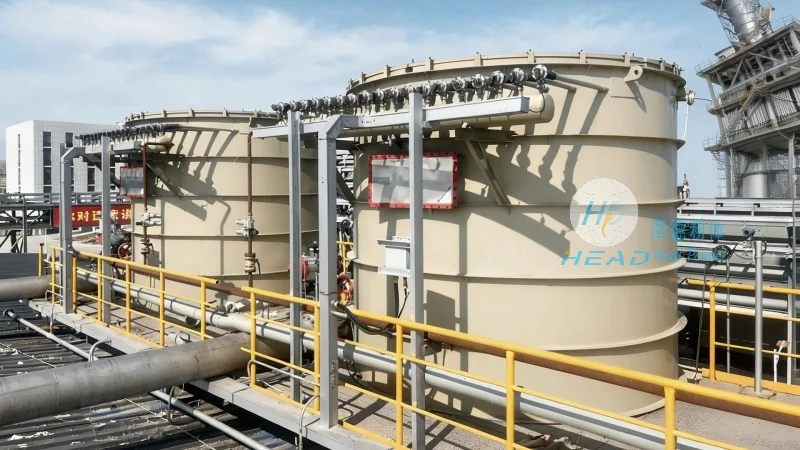
The core components of a mineral sand powder conveying system typically include a feeding mechanism, a conveying device, and a control system. The feeding mechanism ensures that the material is fed into the system uniformly, preventing blockages and maintaining consistent flow rates. Common feeding devices include hoppers, rotary valves, and vibratory feeders, each chosen based on the specific characteristics of the mineral sand being handled. The conveying device, which may be a pneumatic or mechanical system, is responsible for transporting the material from the feeding point to the discharge point. Pneumatic conveying systems use air pressure to move the material, while mechanical systems rely on belts, screws, or buckets. The control system monitors and regulates the operation of the entire system, ensuring safety and efficiency.
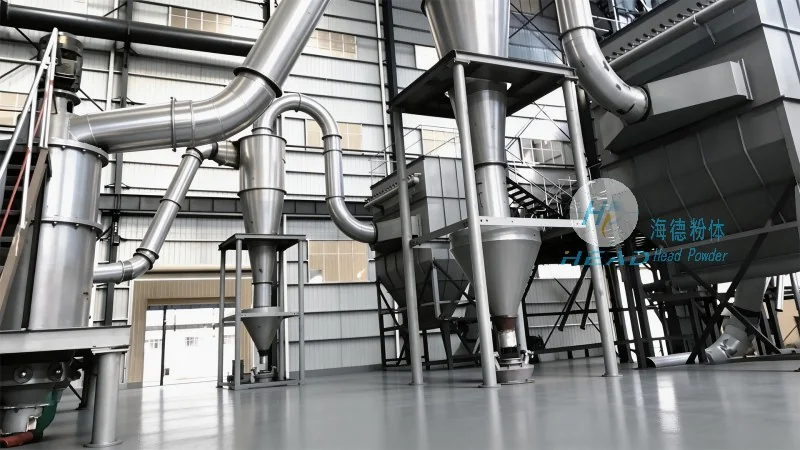
Designing an effective mineral sand powder conveying system requires careful consideration of several key principles. First, the system must be capable of handling the specific properties of mineral sands, such as their density, moisture content, and abrasiveness. This involves selecting appropriate materials for the system components, such as corrosion-resistant metals or specialized coatings, to prevent wear and maintain performance over time. Second, the system should minimize material degradation and loss during transport. This is achieved through the use of gentle conveying methods, proper sealing, and the avoidance of high-impact or high-shear forces that could damage the particles. Third, the system must ensure precise control over the flow rate and pressure, which is critical for maintaining consistent product quality and preventing overloading or underloading of downstream equipment. The control system plays a vital role here, using sensors and feedback mechanisms to adjust the operation in real-time.
Mineral sand powder conveying systems are widely used in various industrial applications, including mining, mineral processing, and chemical manufacturing. In mining operations, these systems are essential for transporting raw mineral sands from the extraction site to processing facilities. In mineral processing plants, they are used to move sand and other fine materials through various stages of purification and separation. The benefits of using such systems include increased productivity, reduced labor costs, and improved safety by minimizing manual handling of bulk materials. Additionally, these systems can be integrated with other processing equipment, such as classifiers and driers, to form a comprehensive material handling solution that enhances overall operational efficiency.
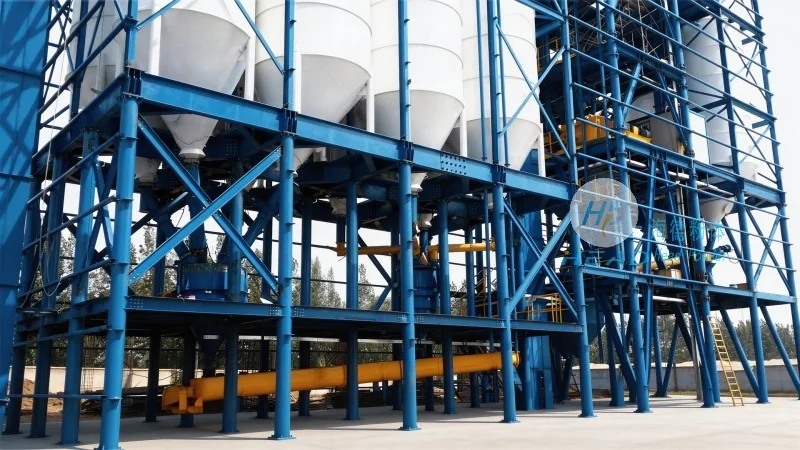
Designing and implementing an efficient mineral sand powder conveying system requires expertise in both material science and mechanical engineering. Shandong HeadPowder Engineering Co., Ltd., a leading provider in this field, specializes in the development and manufacturing of customized conveying solutions tailored to the unique needs of each client. With a focus on innovation and quality, HeadPowder ensures that their systems meet the highest standards of performance and reliability. Based in Shandong, China, the company leverages its local expertise and resources to deliver cutting-edge solutions that enhance the productivity and sustainability of industrial operations worldwide.

 Shandong Headpowder Engineering Co., Ltd.
 156-6277-7102(Manager Zhang)
  0531-83386006
  Zhangqiu District, Jinan City, Shandong Province, China
telephone
WeChatconsult
top