With more than 10‑year industry experience, Shandong Headpowder delivers full‑service pneumatic‑conveying systems and blowers, undertaking nationwide turn‑key powder‑handling projects.
Understanding the lithium-ion battery powder handling system is crucial for optimizing the production process in the battery manufacturing industry. This system is specifically designed to handle the delicate and high-purity powders used in the production of lithium-ion batteries, ensuring efficient and safe material transfer from raw material storage to the production line. The design principles of such a system are centered on maintaining the integrity of the powder, controlling particle size distribution, and minimizing contamination during the handling process.
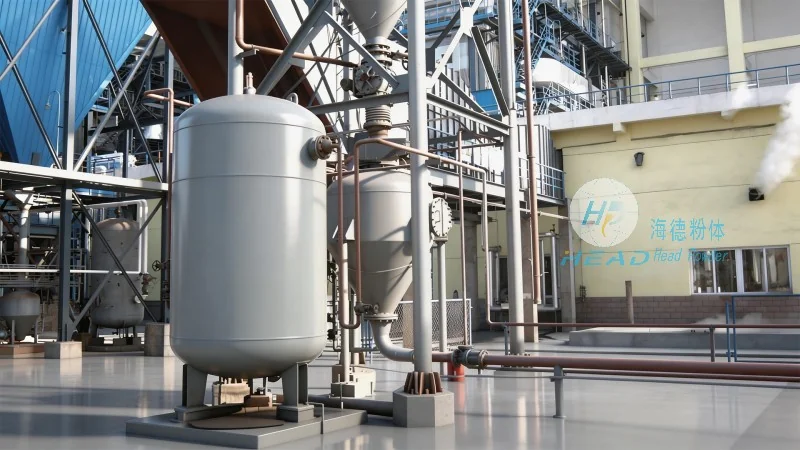
The lithium-ion battery powder handling system typically consists of several key components that work in tandem to achieve efficient material processing. These components include material storage silos or hoppers, conveying equipment such as screw conveyors or pneumatic transport systems, feeding mechanisms, and control systems. Each component is engineered to handle the specific characteristics of the battery powders, which often include high moisture sensitivity, electrostatic charge, and the need for precise dosing.
One of the primary design principles is to minimize powder degradation. This involves controlling the flow rate, reducing particle attrition, and preventing exposure to air or moisture, which can affect the battery's performance. The system is designed with smooth surfaces and appropriate sealing to avoid contamination. Additionally, the design considers the need for dust control and safety measures, as handling powders can pose inhalation risks and require explosion-proof designs in certain environments.
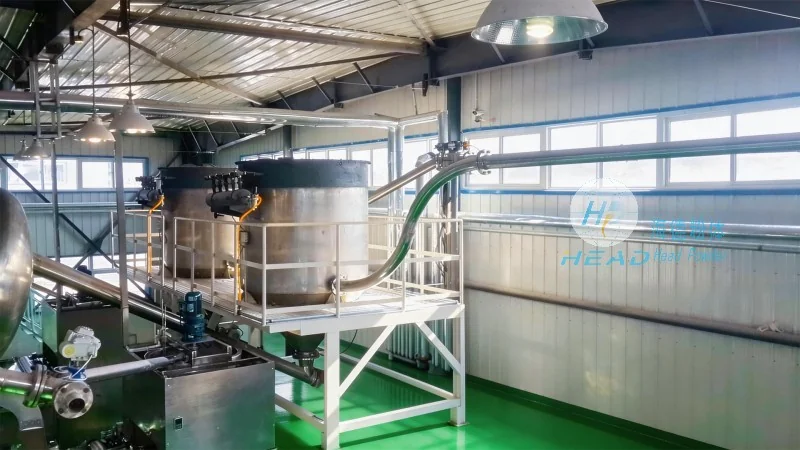
Material storage is a critical part of the system, often using stainless steel or other corrosion-resistant materials to store the battery powders. The storage silos are equipped with level sensors and aeration systems to maintain consistent material flow and prevent bridging or caking. The feeding mechanisms, such as rotary valves or vibratory feeders, are designed to provide a controlled and uniform flow of powder to the conveying equipment. This ensures that the correct amount of material is delivered to the next stage of the production process without fluctuations.
Conveying methods vary based on the powder characteristics and the production requirements. Screw conveyors are commonly used for dry, free-flowing powders, as they provide a continuous and reliable transport method. Pneumatic transport systems, on the other hand, are suitable for powders that are more sensitive or require airtight handling. These systems use air pressure to move the powder through pipelines, minimizing particle degradation and ensuring a clean transfer. The choice of conveying method depends on factors like particle size, moisture content, and the need for dust control.
Modern lithium-ion battery powder handling systems are equipped with advanced control and automation systems to ensure precise operation and monitoring. These systems include sensors for level, flow, and temperature, as well as control panels that allow operators to adjust parameters such as flow rate and pressure. The automation helps in maintaining consistent production quality, reducing human error, and improving overall efficiency. Additionally, the control systems often include safety features to prevent overfilling, equipment overload, and other potential hazards during operation.
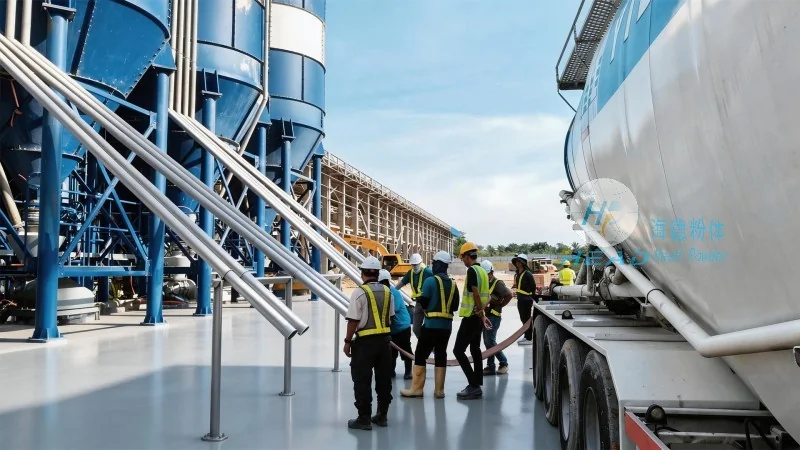
The lithium-ion battery powder handling system plays a vital role in the overall battery production process. By efficiently and safely handling the raw materials, it ensures that the subsequent manufacturing steps, such as mixing, coating, and cell formation, are carried out with the correct material composition and quality. The system's design principles focus on maintaining the purity and integrity of the powders, which directly impacts the performance and lifespan of the final lithium-ion battery. This is particularly important in the battery industry, where even small variations in material properties can lead to significant differences in battery performance.
In summary, the lithium-ion battery powder handling system is a sophisticated piece of equipment designed to handle the delicate and high-purity powders used in battery manufacturing. Its design principles are centered on efficiency, safety, and maintaining the quality of the materials. By integrating advanced components and automation, these systems ensure consistent and reliable material transfer, contributing to the high-quality production of lithium-ion batteries. The expertise and engineering behind such systems are essential for meeting the demands of the rapidly growing battery industry.

 Shandong Headpowder Engineering Co., Ltd.
 156-6277-7102(Manager Zhang)
  0531-83386006
  Zhangqiu District, Jinan City, Shandong Province, China
telephone
WeChatconsult
top