With more than 10‑year industry experience, Shandong Headpowder delivers full‑service pneumatic‑conveying systems and blowers, undertaking nationwide turn‑key powder‑handling projects.
Water glass material handling is a specialized process used in industrial settings to transport and manage materials that are often sticky, abrasive, or have unique chemical properties. This method involves the use of specialized equipment and techniques to ensure efficient and safe material movement, particularly for substances like water glass, which can present challenges during handling due to its adhesive nature and potential to cause equipment wear. Understanding the fundamentals of water glass material handling is crucial for industries that rely on such materials, as it directly impacts operational efficiency, equipment longevity, and overall production quality.
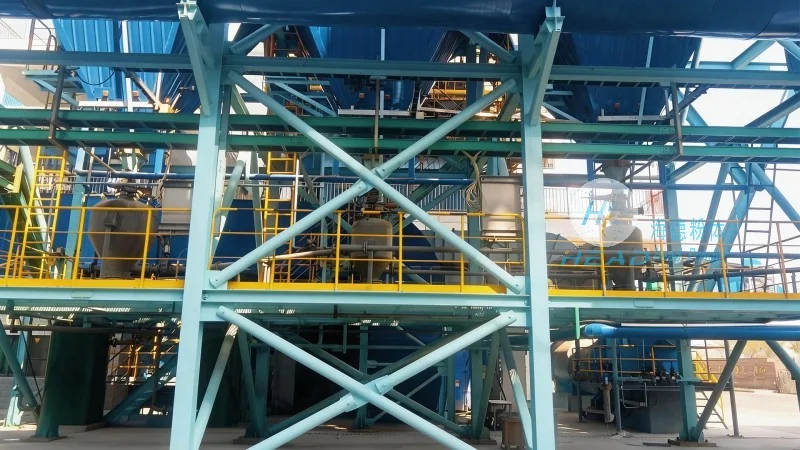
Water glass, also known as sodium silicate, is a versatile chemical compound widely used in various industries, including construction, glass manufacturing, and chemical processing. Its unique properties, such as high viscosity and adhesive characteristics, make it essential for applications like bonding, coating, and as a flux in metallurgy. However, these same properties can complicate material handling, as water glass can adhere to surfaces, clog equipment, and require specialized handling methods to prevent operational issues. The design of water glass material handling systems must therefore address these challenges by incorporating features that ensure effective transport, minimal material loss, and reduced equipment maintenance.
The design of water glass material handling systems is guided by several critical principles aimed at optimizing performance and durability. First, the system must ensure proper material flow by using equipment that minimizes friction and adhesion, such as high-capacity pumps, conveyor belts with non-stick coatings, and specialized hoppers designed to prevent material buildup. Second, the design emphasizes the use of materials that are resistant to corrosion and wear, as water glass can be abrasive and may contain chemicals that degrade standard equipment over time. Stainless steel, polyurethane, and other corrosion-resistant materials are commonly used in components like pipelines, valves, and storage tanks. Third, the system incorporates monitoring and control mechanisms to maintain consistent flow rates and detect any blockages or leaks, ensuring continuous and reliable operation. Additionally, the design considers the need for easy cleaning and maintenance, as water glass can leave residues that require thorough flushing to prevent contamination and equipment damage.
Effective water glass material handling relies on a combination of specialized components and equipment, each tailored to address the unique challenges of handling this substance. The primary equipment includes high-pressure pumps capable of handling viscous fluids, often with adjustable flow rates to accommodate varying production demands. Conveyor systems, such as belt conveyors or screw conveyors, are used to transport water glass from storage to processing areas, with non-stick surfaces and gentle slopes to prevent material sticking or clogging. Storage tanks and hoppers are designed with sloped interiors and smooth, corrosion-resistant linings to facilitate material discharge and prevent buildup. Valves and piping systems are constructed from materials like stainless steel or PTFE to withstand the chemical properties of water glass and minimize wear. Additionally, the system may include filtration and cleaning equipment to remove impurities and maintain the purity of the material, ensuring consistent quality in downstream processes.
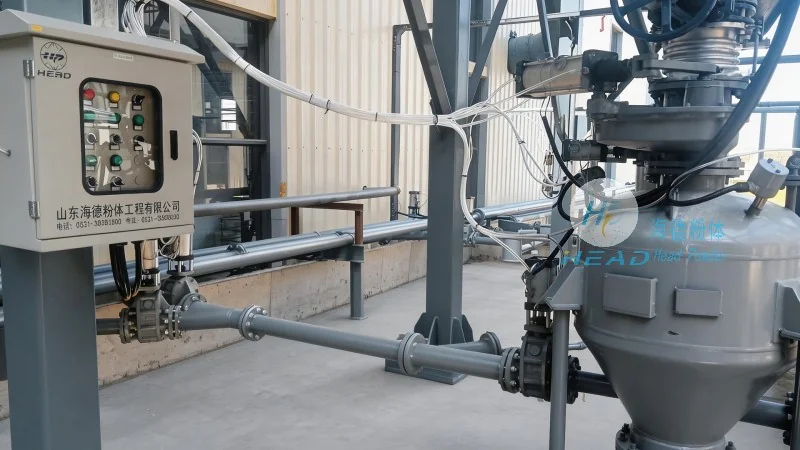
Water glass material handling systems are integral to several industries that rely on the properties of this chemical compound. In the construction industry, water glass is used as a binder in cement and mortar, and efficient material handling ensures consistent quality in building materials. The glass manufacturing industry utilizes water glass as a flux in the production of glass products, where precise material transport is critical to maintaining product uniformity. Chemical processing plants use water glass in various applications, such as in the production of detergents and adhesives, where reliable material handling minimizes waste and enhances production efficiency. Each of these industries benefits from the specialized design of water glass material handling systems, which addresses the unique challenges of handling this versatile but challenging substance.
Implementing effective water glass material handling systems offers several advantages for industrial operations. First, it improves operational efficiency by ensuring consistent material flow and reducing downtime caused by equipment clogs or blockages. This leads to higher production throughput and reduced labor costs associated with manual handling. Second, proper handling minimizes equipment wear and corrosion, extending the lifespan of machinery and reducing maintenance expenses. By using corrosion-resistant materials and designing systems to minimize friction, companies can lower their long-term operational costs. Third, efficient material handling enhances product quality by maintaining the purity and consistency of water glass, which is critical for downstream processes. This ensures that products meet quality standards and reduces the risk of defects or rework. Finally, proper handling improves workplace safety by reducing the risk of spills, leaks, and accidents associated with handling viscous materials. The use of sealed systems and proper ventilation helps mitigate these risks, creating a safer working environment.
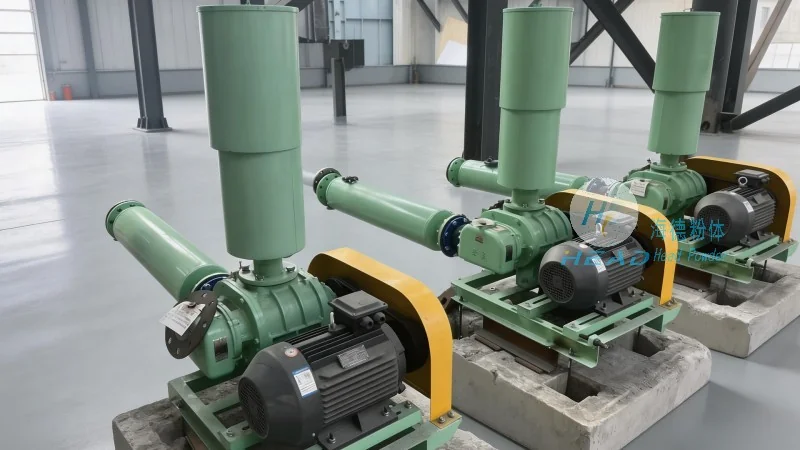
Despite the benefits, water glass material handling presents several challenges that require careful consideration. One of the primary challenges is the material's high viscosity, which can cause clogs in pipelines and equipment, leading to downtime and increased maintenance. To address this, systems often incorporate high-pressure pumps and use materials with smooth surfaces to reduce friction. Another challenge is the adhesive nature of water glass, which can cause material buildup on surfaces and equipment, requiring frequent cleaning. Specialized cleaning agents and equipment, such as high-pressure washers, are used to remove residues and maintain system efficiency. Additionally, the chemical properties of water glass can be corrosive to certain materials, necessitating the use of corrosion-resistant components. By selecting appropriate materials and designing systems with these challenges in mind, companies can mitigate risks and ensure reliable operation. Regular maintenance and monitoring are also essential to detect and address issues before they become major problems.
As industrial processes evolve, the design of water glass material handling systems is also advancing to meet new demands. Automation and digitalization are becoming increasingly important, with the integration of sensors and control systems to optimize material flow and reduce human intervention. This not only improves efficiency but also enhances safety by minimizing the risk of accidents. Additionally, the use of advanced materials, such as high-performance polymers and composites, is expanding, offering better resistance to corrosion and wear. These materials help extend equipment lifespan and reduce maintenance costs. Furthermore, the focus on sustainability is driving the development of more energy-efficient systems, with the use of variable speed drives and optimized flow rates to reduce energy consumption. As industries continue to prioritize efficiency and sustainability, the future of water glass material handling will likely involve more integrated and intelligent systems that adapt to changing production needs.
Water glass material handling is a critical process in industries that rely on this versatile chemical compound. The design of effective systems involves addressing the unique challenges of handling water glass, including its high viscosity, adhesive properties, and potential for corrosion. By incorporating specialized equipment, corrosion-resistant materials, and monitoring systems, companies can ensure efficient, safe, and reliable material transport. The advantages of proper handling, such as improved efficiency, reduced maintenance costs, and enhanced product quality, make it essential for industrial operations. As technology advances, the future of water glass material handling will likely involve more automated and sustainable systems, further optimizing performance and reducing environmental impact. For industries that use water glass, investing in well-designed material handling systems is a key step toward achieving operational excellence and maintaining a competitive edge in their respective markets.

 Shandong Headpowder Engineering Co., Ltd.
 156-6277-7102(Manager Zhang)
  0531-83386006
  Zhangqiu District, Jinan City, Shandong Province, China
telephone
WeChatconsult
top