With more than 10‑year industry experience, Shandong Headpowder delivers full‑service pneumatic‑conveying systems and blowers, undertaking nationwide turn‑key powder‑handling projects.
Gas-pneumatic conveying systems are essential for efficiently handling sintered dust, a byproduct commonly found in industrial sintering processes. These systems utilize compressed air to transport fine particulate materials like sintered dust over long distances with minimal loss and high efficiency. Understanding the equipment and its design principles is crucial for optimizing material handling in industrial applications. The expertise of companies like Shandong HeadPowder Engineering Co., Ltd. (headpowder) has been instrumental in developing advanced gas-pneumatic systems tailored to the specific needs of sintered dust handling.
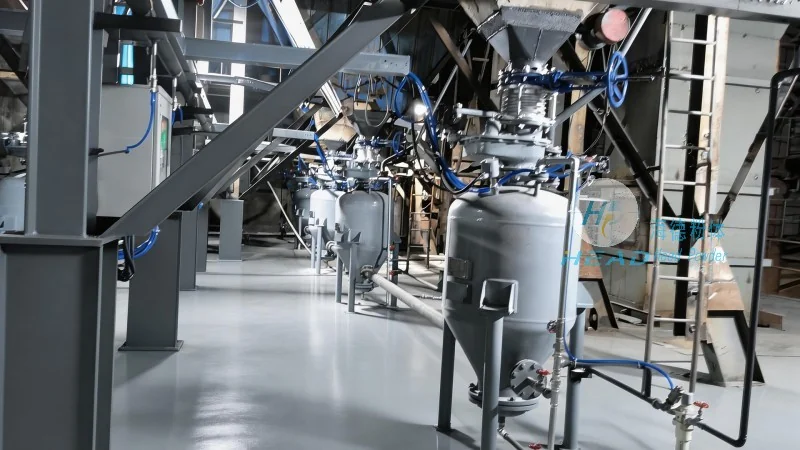
Sintered dust, also known as sintered fly ash or sintered waste, is a fine particulate material generated during the sintering process in industries such as steel production, cement manufacturing, and metallurgy. This dust is typically composed of fine particles that require specialized handling due to its abrasive nature and potential environmental impact. The gas-pneumatic conveying system is a key solution for transporting sintered dust from collection points to processing or disposal facilities. It operates by using a blower or compressor to generate high-pressure air, which then propels the dust particles through a pipeline network. This method offers advantages over traditional mechanical conveying, including reduced maintenance, lower energy consumption, and the ability to handle abrasive materials without significant wear on components.
The effectiveness of a sintered dust gas-pneumatic conveying system depends on several critical components working in harmony. The primary components include a dust collector or hopper for material storage, a blower or air compressor to provide the necessary air pressure, a pipeline system for material transport, and a receiver or discharge unit for material deposition. Each component plays a vital role in ensuring the system operates reliably and efficiently. The dust collector or hopper is designed to collect and store the sintered dust, often with features like a rotary valve or gate valve to control material discharge. The blower or air compressor generates the high-pressure air required to move the dust particles through the pipeline. The pipeline system, typically made of stainless steel or other corrosion-resistant materials, is designed to withstand the abrasive nature of sintered dust and maintain air pressure. The receiver or discharge unit is where the material is deposited, often equipped with a rotary valve or other control devices to regulate the discharge process.
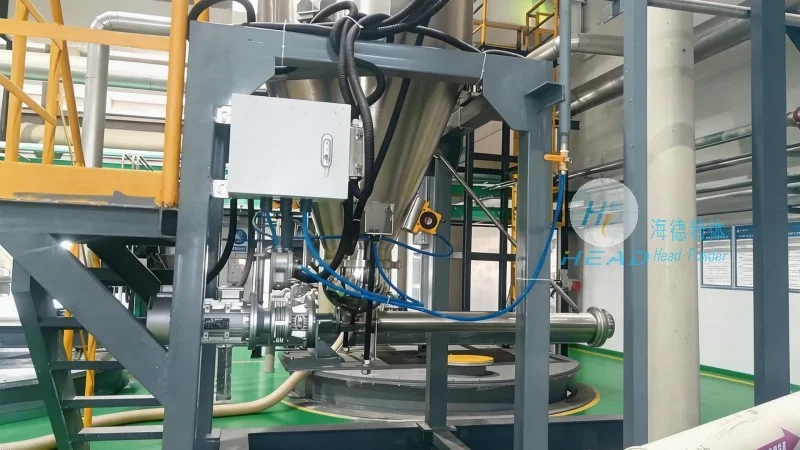
The design of a sintered dust gas-pneumatic conveying system follows several key principles to ensure optimal performance and longevity. One of the primary principles is maintaining a consistent air velocity within the pipeline. The air velocity must be high enough to keep the dust particles suspended and prevent clogging, but not so high as to cause excessive wear on the pipeline or increase energy consumption. The system design also considers the particle size and density of the sintered dust, as these factors influence the required air pressure and velocity. For example, finer dust particles may require higher air velocities to remain suspended, while larger particles may need lower velocities but higher air pressure. Another critical design principle is the use of appropriate pipeline diameter and length. The pipeline diameter is selected based on the material flow rate and particle size, ensuring that the air velocity remains within the optimal range. The pipeline length is also important, as longer pipelines may require additional blower capacity or intermediate boosters to maintain sufficient air pressure. Additionally, the system design incorporates features to minimize pressure losses, such as smooth pipeline surfaces and minimal bends or fittings. These design elements help maintain the required air pressure and ensure efficient material transport.
Implementing a sintered dust gas-pneumatic conveying system offers several advantages over traditional mechanical conveying methods. One of the most significant advantages is the reduced maintenance requirements. Unlike mechanical systems that rely on moving parts like belts, chains, or screws, gas-pneumatic systems have fewer moving parts, leading to lower maintenance costs and longer equipment life. The system also offers lower energy consumption compared to mechanical conveying, as it uses compressed air rather than mechanical power to move the material. This results in cost savings and reduced environmental impact. Another advantage is the ability to handle abrasive materials without significant wear on components. The pipeline and other parts of the system are designed to withstand the abrasive nature of sintered dust, reducing the need for frequent replacements and maintenance. The system also provides better material containment and reduces dust emissions compared to open conveying methods, improving workplace safety and environmental compliance. Furthermore, the gas-pneumatic system allows for flexible material handling, as it can transport materials over long distances and to multiple destinations without the need for multiple conveyors or transfer points.
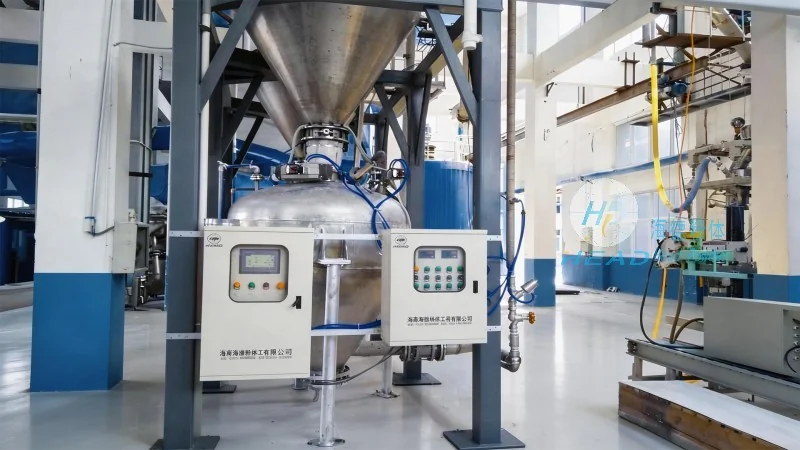
Sintered dust gas-pneumatic conveying systems are widely used in various industrial applications where sintered dust needs to be transported efficiently. One common application is in steel production facilities, where sintered dust is generated during the sintering of iron ore. The system transports the dust from the sintering plant to a waste processing facility or for reuse in other processes. In cement manufacturing, the system is used to convey sintered dust from the kiln to a storage or disposal area. The system is also used in metallurgy and other industries where sintered dust is a byproduct of the production process. The versatility of the gas-pneumatic system makes it suitable for handling a wide range of particulate materials, including sintered dust, and adapting to different industrial requirements.
In conclusion, a sintered dust gas-pneumatic conveying system is a critical piece of equipment for efficiently handling sintered dust in industrial applications. The design principles and components of the system are carefully selected to ensure optimal performance, reliability, and longevity. The system offers several advantages over traditional mechanical conveying methods, including reduced maintenance, lower energy consumption, and better material containment. Proper design and implementation of the system are essential to maximize its benefits and ensure efficient material handling. As industrial processes continue to evolve, the importance of efficient material handling systems like the sintered dust gas-pneumatic conveying system will only increase, making it a valuable investment for companies in various industries.

 Shandong Headpowder Engineering Co., Ltd.
 156-6277-7102(Manager Zhang)
  0531-83386006
  Zhangqiu District, Jinan City, Shandong Province, China
telephone
WeChatconsult
top