

Comparison of Advantages and Disadvantages of Negative Pressure and Positive Pressure Pneumatic Conv
When it comes to the efficient and reliable transport of brown sugar, pneumatic conveying systems play a crucial role in modern sugar processing facilities. The choice between negative pressure and positive pressure systems is a critical decision that impacts operational efficiency, equipment lifespan, and overall production costs. This article provides a detailed comparison of the advantages and disadvantages of negative pressure and positive pressure pneumatic conveying for brown sugar, helping industry professionals make informed decisions.
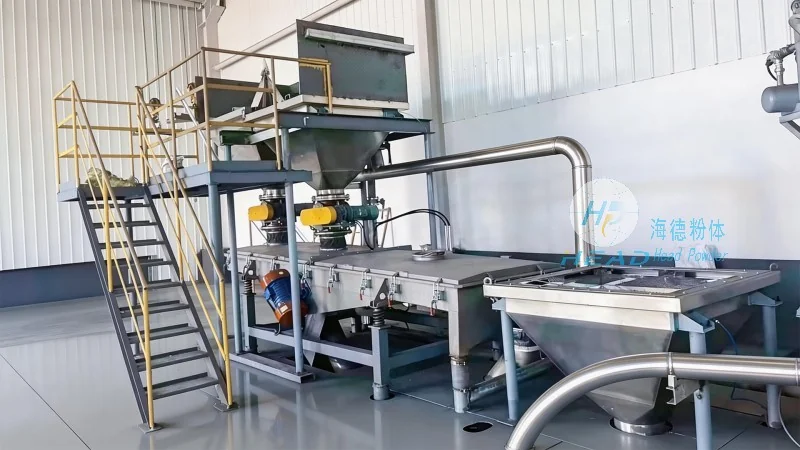
Introduction to Pneumatic Conveying in Brown Sugar Industry
Pneumatic conveying is a method of transporting bulk materials like brown sugar through a pipeline using air or gas as the conveying medium. It offers several advantages over traditional mechanical conveying systems, including reduced labor costs, improved hygiene, and the ability to handle materials in a dust-free environment. For brown sugar, which is often handled in large quantities and requires careful handling to preserve its quality, pneumatic conveying is an ideal solution.
HeadPowder Engineering: Your Trusted Partner in Pneumatic Conveying Solutions
HeadPowder, a leading manufacturer of pneumatic conveying equipment, specializes in providing customized solutions tailored to the unique needs of the brown sugar industry. With over years of experience and a strong commitment to quality, HeadPowder has become a trusted name in the field. The company is headquartered in Shandong, China, and serves clients worldwide with innovative and reliable pneumatic conveying systems.
Understanding Negative Pressure Pneumatic Conveying
Negative pressure, also known as suction or vacuum conveying, operates by creating a lower pressure inside the conveying line compared to the ambient air pressure. This pressure difference draws the material into the system, where it is then carried by the air flow to the destination. The primary advantage of negative pressure systems is their ability to handle materials from multiple sources or from a single point of collection, making them suitable for applications where the material is spread out or located at a distance from the processing plant.
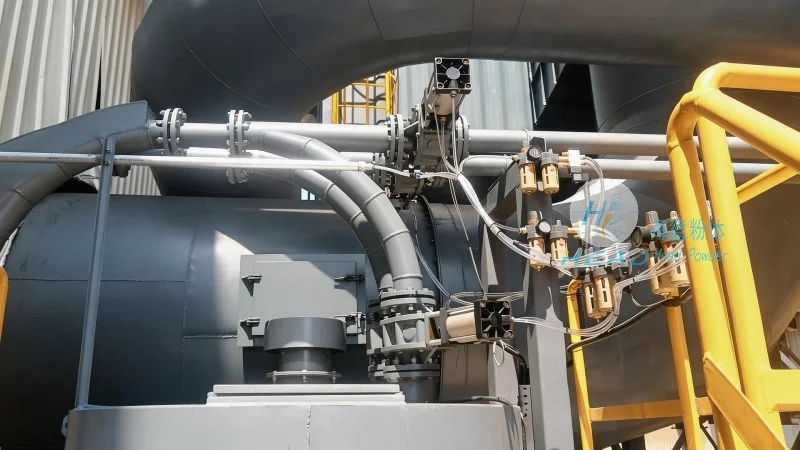
One of the key benefits of negative pressure conveying is its gentle handling of the material. The low air velocity and the absence of high-pressure pulses help to minimize product degradation, ensuring that the brown sugar maintains its quality and flavor. This is particularly important for brown sugar, which is sensitive to mechanical stress and temperature changes.
However, negative pressure systems also have some drawbacks. The main limitation is their lower conveying capacity compared to positive pressure systems. They are generally more suitable for shorter distances and lower material loads. Additionally, the system requires a vacuum pump, which can be more complex and expensive to maintain. The vacuum pump also generates more noise and may require more energy consumption, contributing to higher operational costs.
Exploring Positive Pressure Pneumatic Conveying
Positive pressure, or pressure conveying, works by forcing air or gas through the conveying line at a higher pressure than the ambient air. The material is then drawn into the system by the high-pressure air and transported to the destination. Unlike negative pressure systems, positive pressure systems do not rely on a vacuum pump and instead use a blower or compressor to generate the pressure.
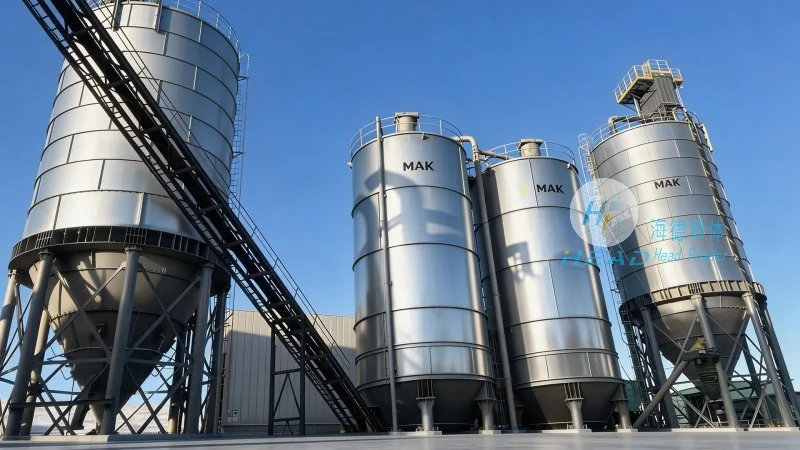
One of the significant advantages of positive pressure systems is their higher conveying capacity and ability to transport materials over longer distances. They are particularly effective for applications requiring high throughput and long pipeline runs. The high air velocity in positive pressure systems allows for efficient transport of brown sugar, even when the material is in a dry or slightly clumpy state.
Another advantage is the lower maintenance requirements compared to negative pressure systems. Since there is no vacuum pump involved, the system is generally simpler and more reliable. However, positive pressure systems may be less gentle on the material compared to negative pressure systems. The high air velocity can cause more wear and tear on the material, potentially leading to product degradation or increased dust generation.
Comparative Analysis: Negative vs. Positive Pressure Conveying for Brown Sugar
When comparing negative and positive pressure pneumatic conveying for brown sugar, several factors need to be considered. The choice depends on the specific application, the distance of the transport, the material characteristics, and the overall operational budget.
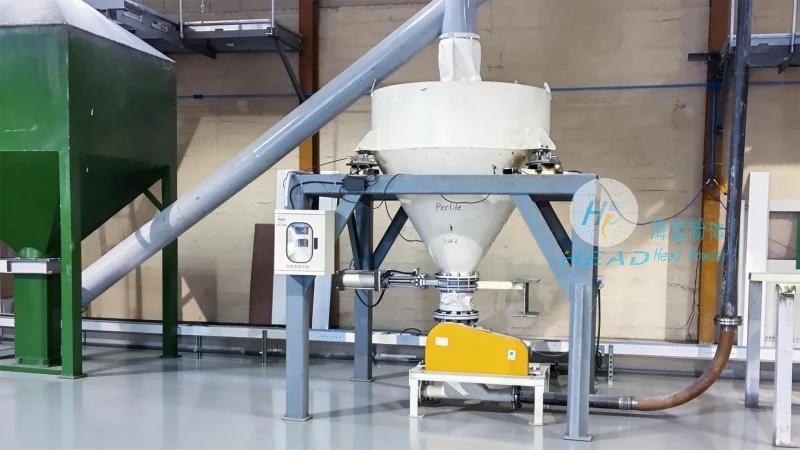
For applications where the brown sugar is collected from multiple points and needs to be transported over relatively short distances, negative pressure systems may be more suitable. Their gentle handling and ability to handle materials from various sources make them ideal for such scenarios. However, if the transport distance is longer or the required throughput is high, positive pressure systems offer better performance and efficiency.
Cost is another critical factor. Negative pressure systems, while more gentle on the material, may have higher initial and maintenance costs due to the vacuum pump. Positive pressure systems, on the other hand, may have lower initial costs but could incur higher energy costs due to the higher air pressure requirements.
Conclusion: Making the Right Choice for Your Brown Sugar Conveying Needs
Ultimately, the choice between negative pressure and positive pressure pneumatic conveying for brown sugar depends on a careful evaluation of the specific requirements of the operation. HeadPowder Engineering provides comprehensive solutions that consider these factors, ensuring that clients select the most appropriate system for their needs. By understanding the advantages and disadvantages of each type of system, sugar processing facilities can optimize their operations, improve product quality, and reduce overall costs.