With more than 10‑year industry experience, Shandong Headpowder delivers full‑service pneumatic‑conveying systems and blowers, undertaking nationwide turn‑key powder‑handling projects.
Cement pneumatic conveying is a critical process in the cement industry, enabling the efficient transport of bulk materials like cement from production sites to storage or processing facilities. Two primary methods dominate this field: negative pressure (or suction) conveying and positive pressure (or pressure) conveying. Each method offers distinct advantages and disadvantages, making the choice between them a strategic decision for industrial operations. This article provides a detailed comparison of the pros and cons of negative pressure versus positive pressure conveying in cement applications, helping stakeholders make informed decisions based on operational needs and material characteristics.
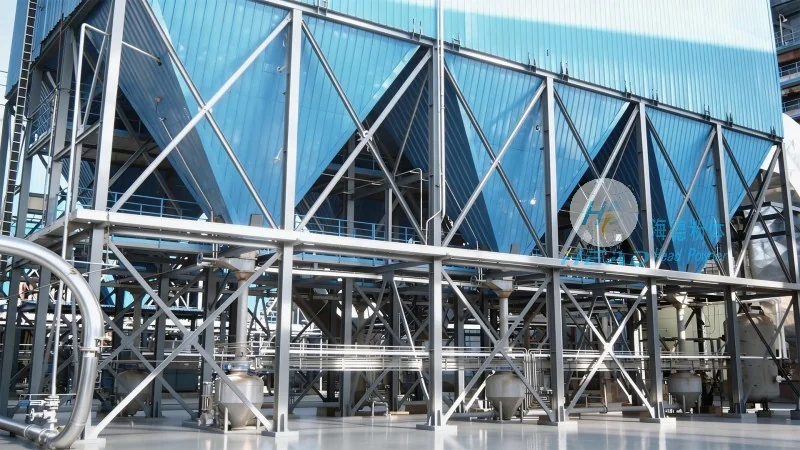
Negative pressure conveying, also known as suction conveying, operates by creating a low-pressure environment at the material inlet, drawing the material into the conveying line using a vacuum pump. This method is particularly effective for handling fine, dusty materials like cement, as it minimizes dust dispersion and ensures a clean transfer process. The system typically consists of a hopper, a vacuum pump, and a conveying line, with the material being drawn from the source and transported to the destination.
One of the key advantages of negative pressure conveying is its ability to handle fine powders without causing excessive dust generation. The suction action helps maintain a controlled environment, reducing the risk of dust accumulation and contamination. Additionally, this method is generally more energy-efficient for short to medium conveying distances, as the vacuum pump only needs to overcome the resistance of the material and the line. However, negative pressure systems have limitations, particularly for long-distance or high-volume transport. The vacuum pump's capacity may be insufficient to maintain the required pressure drop over extended distances, leading to reduced conveying efficiency. Furthermore, the system is more susceptible to blockages and clogging, as the material is drawn into the line under low pressure, which can cause particles to adhere to the pipe walls.
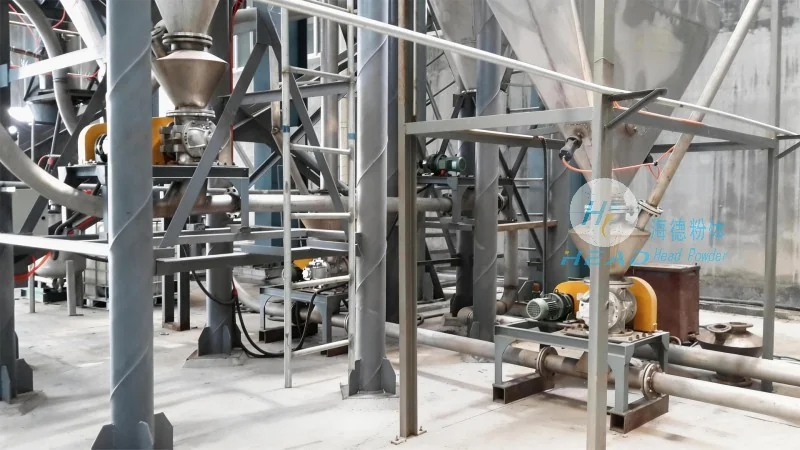
Positive pressure conveying, or pressure conveying, works by pressurizing the conveying line with a blower or compressor, pushing the material through the system. This method is ideal for handling bulk materials over longer distances and higher volumes, as the pressurized air or gas provides the necessary force to move the material. The system includes a hopper, a pressure blower, and a conveying line, with the material being forced from the source to the destination.
A major advantage of positive pressure conveying is its suitability for long-distance and high-volume transport. The pressurized air ensures consistent material flow, even over extended distances, and can handle larger particles or more abrasive materials without significant wear. This method is also less prone to blockages compared to negative pressure systems, as the material is pushed through the line under higher pressure, reducing the likelihood of clogging. However, positive pressure conveying has its drawbacks, particularly regarding dust control. The pressurized air can cause dust to be expelled from the system, leading to increased environmental contamination and health risks. Additionally, the system requires more energy to maintain the pressure, making it less efficient for short-distance applications compared to negative pressure conveying. The higher pressure also increases the risk of equipment wear and maintenance costs over time.
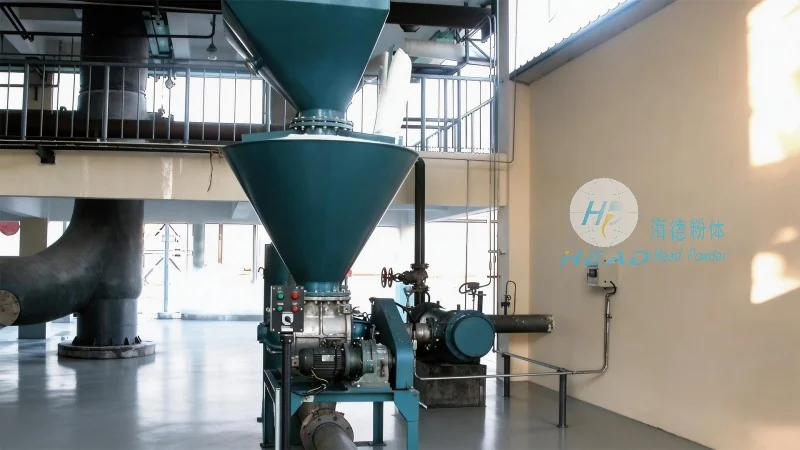
When comparing negative pressure and positive pressure conveying for cement applications, several factors must be considered. For short-distance, fine powder transport, negative pressure conveying is often preferred due to its lower energy consumption and better dust control. However, for long-distance or high-volume transport, positive pressure conveying may be more suitable due to its ability to handle larger particles and maintain consistent flow. The choice also depends on the specific material characteristics, such as particle size, moisture content, and abrasiveness. For example, if the cement is highly fine and dusty, negative pressure conveying may be the better option to minimize dust dispersion. Conversely, if the cement is coarser or requires transport over longer distances, positive pressure conveying may offer better performance.
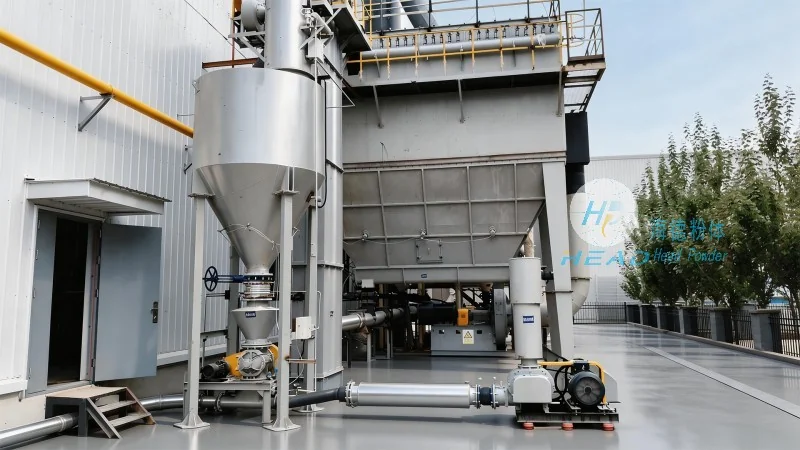
Another critical factor is the operational environment and safety considerations. Negative pressure systems are generally safer as they prevent dust from being released into the environment, reducing the risk of explosions or health hazards. Positive pressure systems, while effective for material transport, may require additional dust control measures to comply with environmental regulations. The cost of equipment and maintenance is also a significant consideration. Negative pressure systems may have lower initial costs due to simpler components, but positive pressure systems may offer better long-term efficiency for high-volume operations.
Both negative pressure and positive pressure conveying methods have their place in the cement industry, and the choice between them depends on the specific operational requirements and material characteristics. Negative pressure conveying is ideal for short-distance, fine powder transport with a focus on dust control and energy efficiency. Positive pressure conveying is better suited for long-distance, high-volume transport of coarser materials, with a focus on consistent flow and handling of abrasive materials. Industrial operators should conduct a thorough analysis of their conveying needs, including distance, material properties, and environmental regulations, to determine the most appropriate method. By understanding the advantages and disadvantages of each system, stakeholders can make informed decisions that optimize their cement pneumatic conveying operations and ensure long-term efficiency and safety.

 Shandong Headpowder Engineering Co., Ltd.
 156-6277-7102(Manager Zhang)
  0531-83386006
  Zhangqiu District, Jinan City, Shandong Province, China
telephone
WeChatconsult
top