With more than 10‑year industry experience, Shandong Headpowder delivers full‑service pneumatic‑conveying systems and blowers, undertaking nationwide turn‑key powder‑handling projects.
For industrial applications involving the handling of potassium hydroxide (KOH), a specialized equipment known as a potassium hydroxide pneumatic conveyor is often employed. This equipment plays a crucial role in efficiently transporting KOH, a highly caustic and reactive chemical, from one location to another within a processing facility. Understanding the functionality and design principles of such a conveyor is essential for optimizing material handling processes and ensuring safety in industrial operations.
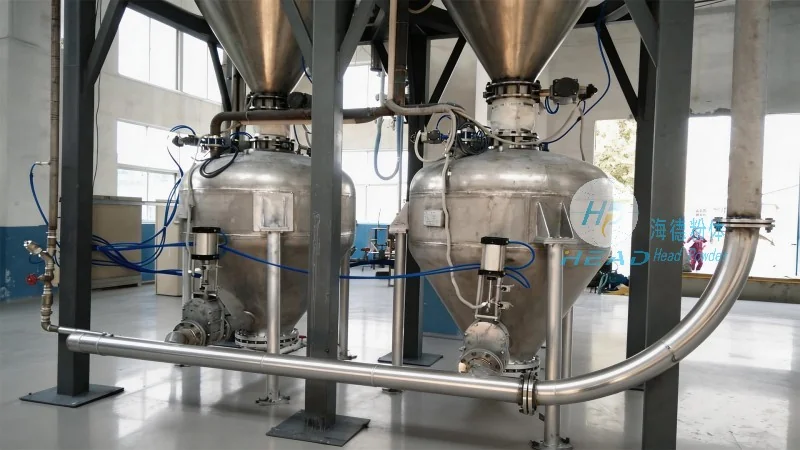
A potassium hydroxide pneumatic conveyor is a type of pneumatic conveying system designed specifically for the transport of potassium hydroxide, a strong base commonly used in chemical manufacturing, pharmaceuticals, and other industrial sectors. Unlike traditional mechanical conveyors, which rely on mechanical components like belts or screws, pneumatic conveyors utilize a combination of air pressure and vacuum to move material through a pipeline. This method offers several advantages, including the ability to handle abrasive or corrosive materials like KOH without causing wear or contamination.
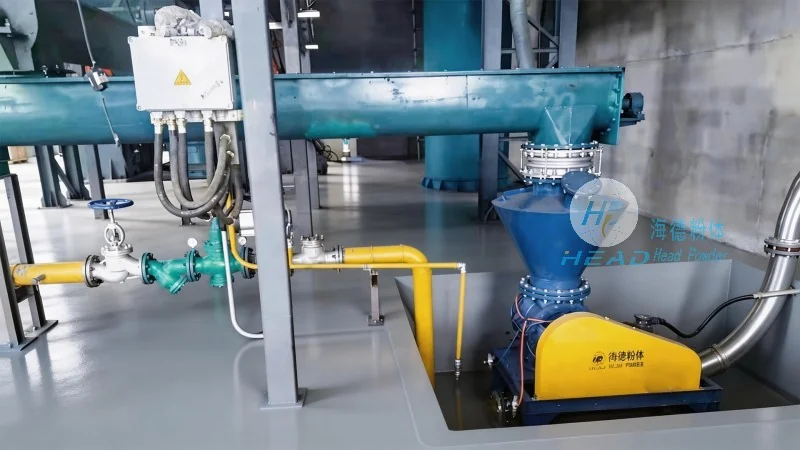
The core operation of a potassium hydroxide pneumatic conveyor involves the use of compressed air or a vacuum system to create a flow of air within a sealed pipeline. The material, in this case, potassium hydroxide, is introduced into the system either by gravity or through a hopper, and then entrained by the moving air stream. As the air flows through the pipeline, it carries the KOH particles along, ensuring a continuous and controlled transport process. The system typically includes components such as a feed hopper, a blower or vacuum pump, a pipeline network, and a discharge outlet. The air pressure or vacuum level is carefully controlled to maintain the desired flow rate and prevent material blockages or degradation.
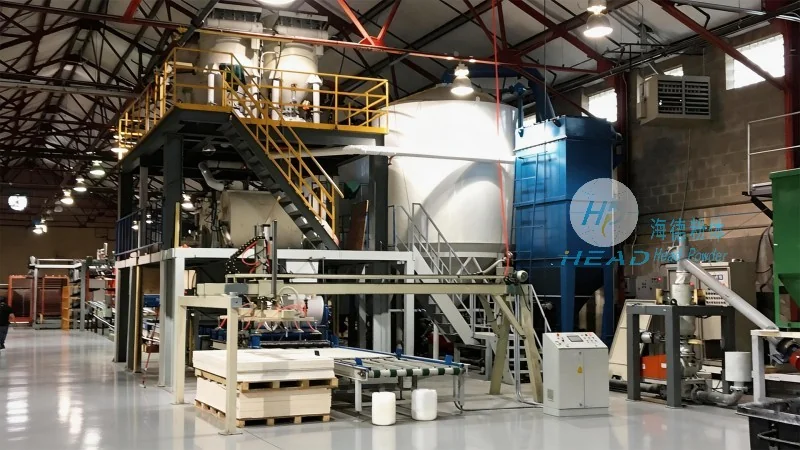
Designing a potassium hydroxide pneumatic conveyor requires careful consideration of several factors to ensure efficiency, safety, and durability. First, the material of construction is critical. Since KOH is highly corrosive, the conveyor components must be made from materials resistant to chemical attack, such as stainless steel or specialized alloys. This prevents corrosion and maintains the integrity of the system over time. Second, the system must be designed to handle the specific properties of KOH, including its particle size, moisture content, and flow characteristics. Proper sizing of the pipeline diameter and air velocity is essential to avoid excessive pressure drops or material deposition. Third, safety features are paramount due to the hazardous nature of KOH. The system should include pressure relief valves, explosion-proof components, and proper ventilation to mitigate risks associated with the chemical. Additionally, the design should incorporate easy access points for maintenance and cleaning to ensure the conveyor remains in optimal condition.
Potassium hydroxide pneumatic conveyors are widely used in various industrial applications where the safe and efficient transport of KOH is required. These include chemical manufacturing plants, where KOH is used in the production of soaps, detergents, and other chemical products. In pharmaceutical industries, the conveyor helps in moving KOH used in the synthesis of active pharmaceutical ingredients (APIs). The benefits of using a pneumatic conveyor for KOH include reduced labor costs, minimized material handling time, and improved safety compared to manual or mechanical methods. Furthermore, the enclosed system prevents dust and fumes from escaping, protecting both personnel and the environment from exposure to the caustic chemical.
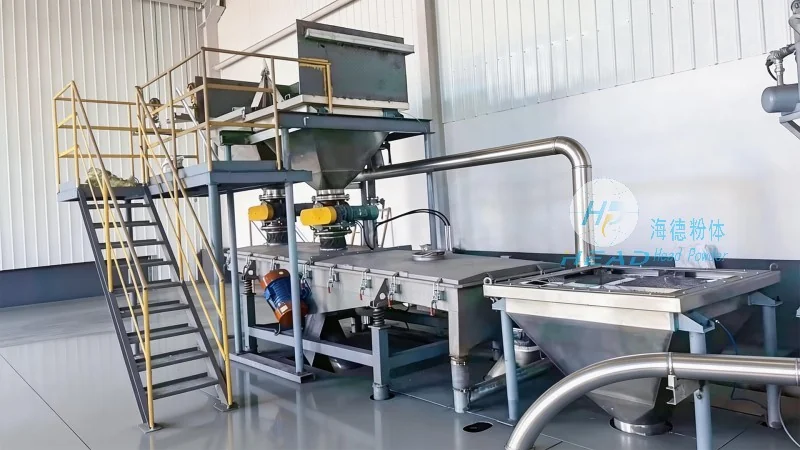
In conclusion, a potassium hydroxide pneumatic conveyor is a specialized piece of equipment that leverages pneumatic principles to efficiently and safely transport potassium hydroxide in industrial settings. The design principles, including material selection, system configuration, and safety features, are tailored to address the unique challenges posed by this highly reactive chemical. By understanding and implementing these design principles, industrial facilities can optimize their material handling processes, enhance operational efficiency, and ensure compliance with safety regulations. As a leading provider in this field, Shandong HeadPowder Engineering Co., Ltd. specializes in manufacturing and supplying high-quality pneumatic conveyors tailored to meet the specific needs of KOH handling applications.

 Shandong Headpowder Engineering Co., Ltd.
 156-6277-7102(Manager Zhang)
  0531-83386006
  Zhangqiu District, Jinan City, Shandong Province, China
telephone
WeChatconsult
top