With more than 10‑year industry experience, Shandong Headpowder delivers full‑service pneumatic‑conveying systems and blowers, undertaking nationwide turn‑key powder‑handling projects.
HeadPowder, a prominent enterprise in the field of material handling technology, specializes in the design, manufacturing, and installation of advanced pneumatic conveying systems tailored for various industrial applications. With a strong presence in Shandong, China, the company has established itself as a reliable partner for businesses seeking efficient and reliable solutions for transporting polypropylene powders. This article delves into the working principle and key characteristics of polypropylene powder pneumatic conveying systems, highlighting how these systems enhance operational efficiency and maintain product integrity.
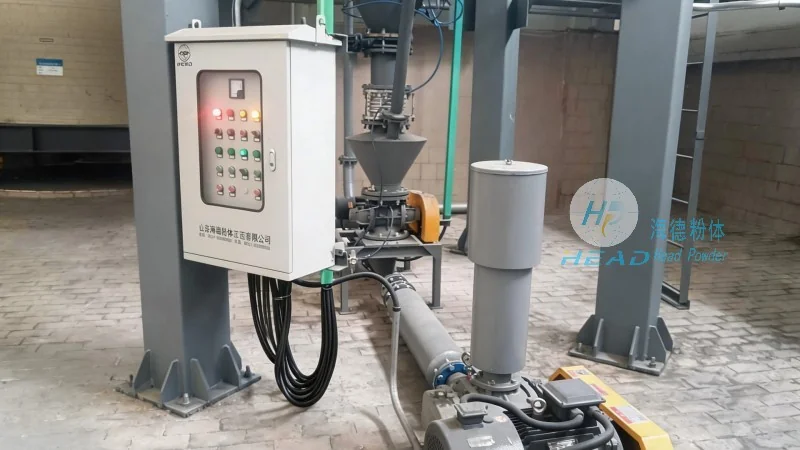
Pneumatic conveying systems utilize air or gas as the primary medium to transport bulk materials, such as polypropylene powders, through a network of pipes. The core mechanism involves the creation of a pressure differential that propels the powder particles along the conveying line. In a typical positive pressure system, compressed air is introduced at the inlet, where it mixes with the polypropylene powder and forces it through the pipeline. The air flow ensures that the powder is suspended and transported efficiently, minimizing the risk of blockages and ensuring a smooth flow. Conversely, negative pressure systems draw air and powder from the material source, creating a vacuum that pulls the material through the line. For polypropylene powders, which often have specific flow characteristics due to their particle size and density, the system design must account for these properties to achieve optimal performance. The choice between positive and negative pressure depends on factors like the distance of transport, the volume of material, and the need for dust control. HeadPowder’s expertise lies in customizing these systems to match the unique requirements of each client, ensuring that the conveying process is both effective and economical.
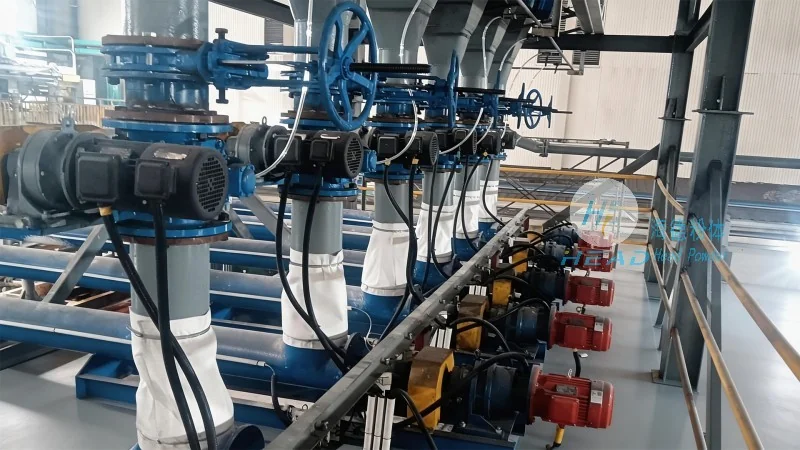
The polypropylene powder pneumatic conveying systems offered by HeadPowder are distinguished by several critical features that set them apart in the industry. One of the most notable advantages is the ability to achieve high-velocity, continuous transport, which significantly reduces the time and labor required for material handling. Unlike traditional methods like bucket elevators or screw conveyors, pneumatic systems can handle large volumes of polypropylene powder with minimal maintenance, making them ideal for high-throughput applications. Additionally, these systems are designed to minimize product contamination and degradation, which is crucial for polypropylene powders used in sensitive applications such as plastics manufacturing or pharmaceuticals. The enclosed pipeline design prevents exposure to external elements, ensuring that the powder remains clean and free from moisture or contaminants. Another key feature is the flexibility in system configuration, allowing for horizontal, vertical, or mixed conveying paths to accommodate complex production layouts. HeadPowder’s engineers can design custom systems that integrate seamlessly with existing facilities, reducing downtime and installation costs. The systems also incorporate advanced control mechanisms, enabling precise regulation of air pressure, flow rate, and material discharge, which enhances operational control and safety. Furthermore, the use of energy-efficient components, such as variable frequency drives (VFDs), optimizes power consumption while maintaining performance, contributing to cost savings and environmental sustainability. These features collectively make polypropylene powder pneumatic conveying systems a preferred choice for industries seeking reliable, efficient, and cost-effective material transport solutions.
Polypropylene powder pneumatic conveying systems are widely utilized across various industries, including plastics manufacturing, chemical processing, food and beverage, and pharmaceuticals. In the plastics industry, for instance, these systems are essential for transporting raw polypropylene pellets or powders from storage silos to processing equipment, ensuring a consistent supply of material for extrusion or molding operations. The ability to maintain a steady flow of polypropylene powder helps in achieving uniform product quality and reducing production downtime. In chemical processing, the systems are used to handle polypropylene powders in reaction vessels or storage tanks, facilitating smooth material transfer without the need for manual handling, which improves safety and reduces the risk of accidents. The food and beverage industry benefits from the hygienic design of these systems, which prevents cross-contamination and ensures compliance with regulatory standards. Similarly, in pharmaceutical applications, the enclosed and controlled environment of the pneumatic conveying system helps in maintaining the purity of polypropylene powders used in drug formulations. The benefits of using these systems extend beyond operational efficiency; they also contribute to improved workplace safety by eliminating manual handling of bulk materials and reducing dust exposure. The reduced need for manual labor and the automated control of the system lower the risk of workplace injuries and improve overall employee well-being. Additionally, the energy-efficient design of the systems aligns with the growing emphasis on sustainability in industrial operations, making them a viable choice for companies aiming to reduce their carbon footprint and operational costs. HeadPowder’s commitment to providing tailored solutions ensures that these systems are adapted to the specific needs of each industry, maximizing their benefits and minimizing any potential drawbacks.
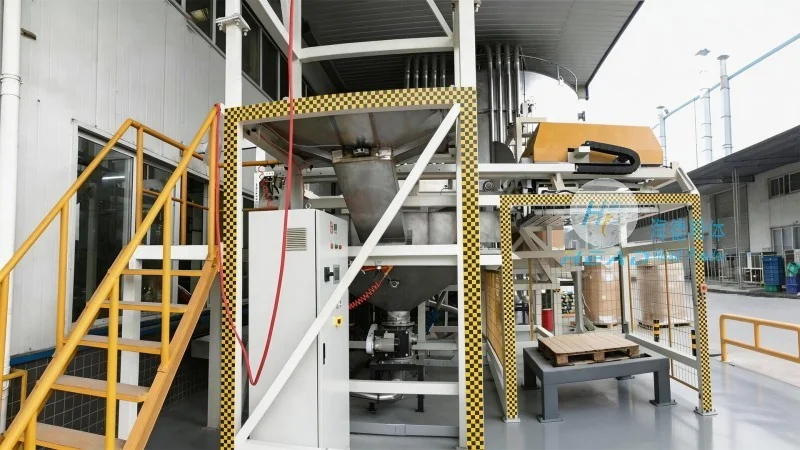
In conclusion, polypropylene powder pneumatic conveying systems represent a sophisticated and efficient solution for the transportation of bulk materials in industrial settings. The working principle, which relies on air or gas to move polypropylene powders through a pipeline, combined with the key features such as high-velocity transport, minimal contamination, and flexible configuration, makes these systems highly effective. HeadPowder, with its headquarters in Shandong, China, has positioned itself as a leading provider of such systems, leveraging its expertise to deliver customized solutions that meet the unique requirements of clients across various industries. By focusing on operational efficiency, product integrity, and sustainability, HeadPowder ensures that its pneumatic conveying systems not only enhance productivity but also contribute to the long-term success of its clients. As industries continue to seek innovative and reliable material handling solutions, the role of polypropylene powder pneumatic conveying systems will remain crucial, and companies like HeadPowder will continue to play a vital role in advancing this technology. The combination of advanced engineering, quality manufacturing, and customer-centric approach makes HeadPowder a trusted partner for businesses looking to optimize their material transport processes and achieve their operational goals.

 Shandong Headpowder Engineering Co., Ltd.
 156-6277-7102(Manager Zhang)
  0531-83386006
  Zhangqiu District, Jinan City, Shandong Province, China
telephone
WeChatconsult
top