With more than 10‑year industry experience, Shandong Headpowder delivers full‑service pneumatic‑conveying systems and blowers, undertaking nationwide turn‑key powder‑handling projects.
For industries dealing with fine powders like sponge sand, efficient and reliable material handling is crucial. Pneumatic conveying systems offer a solution that minimizes dust, reduces material loss, and enhances operational safety. This article explores the working principle and key features of sponge sand powder pneumatic conveying lines, highlighting how they address the unique challenges of handling such materials.
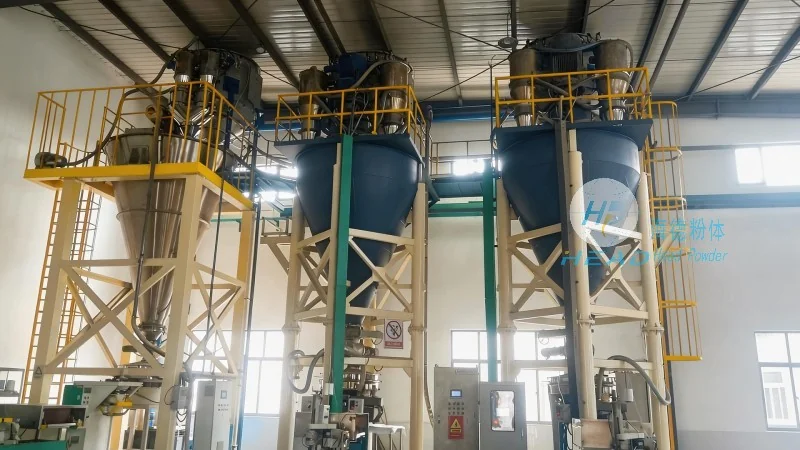
Pneumatic conveying systems transport bulk materials using air or gas as the conveying medium. Unlike traditional mechanical conveyors, they rely on pressure differentials to move particles through pipelines. The technology is widely used in various industries, including construction, foundries, and chemical processing, due to its ability to handle fine powders like sponge sand with precision.
The operation of a sponge sand powder pneumatic conveying line typically involves several key components and steps. First, the sponge sand is fed into a hopper or feeder, where it is metered and introduced into the conveying line. The system then uses a blower or compressor to generate airflow, which lifts the particles and transports them through the pipeline. The design may vary depending on the system type—either positive pressure (where air is forced into the line) or negative pressure (where air is drawn out). For sponge sand, a positive pressure system is often preferred as it provides better control over particle flow and reduces the risk of clogging.
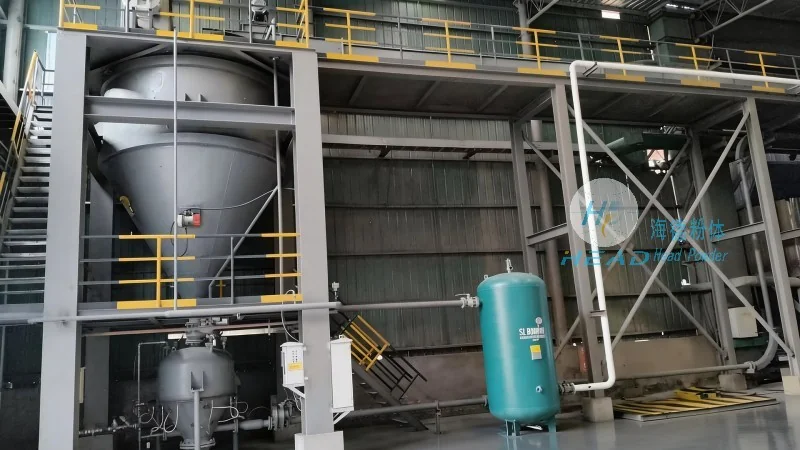
Several critical components work together to ensure the smooth operation of a pneumatic conveying system for sponge sand. These include:
When considering the use of a pneumatic conveying line for sponge sand, several features and advantages make it a preferred choice over traditional methods:
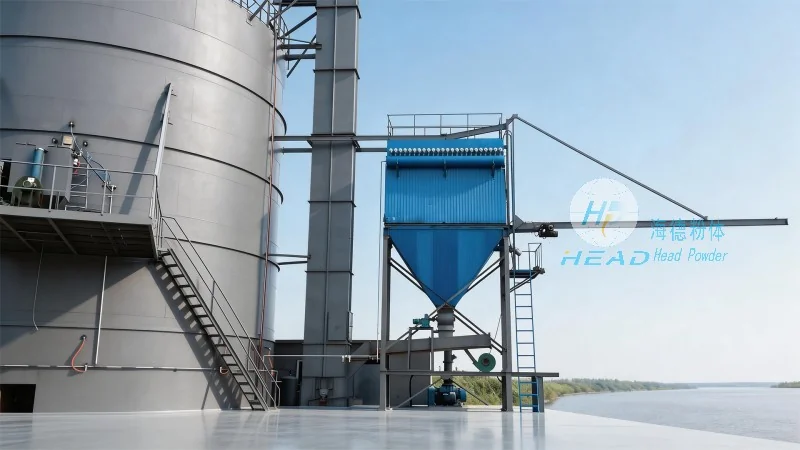
Sponge sand powder pneumatic conveying systems are widely used in industries where fine powders are processed. For example, in foundries, they are used to transport sand for mold making, while in construction material production, they help in the handling of sand for concrete and mortar. The ability to handle abrasive materials like sponge sand without significant wear and tear makes these systems ideal for such applications.
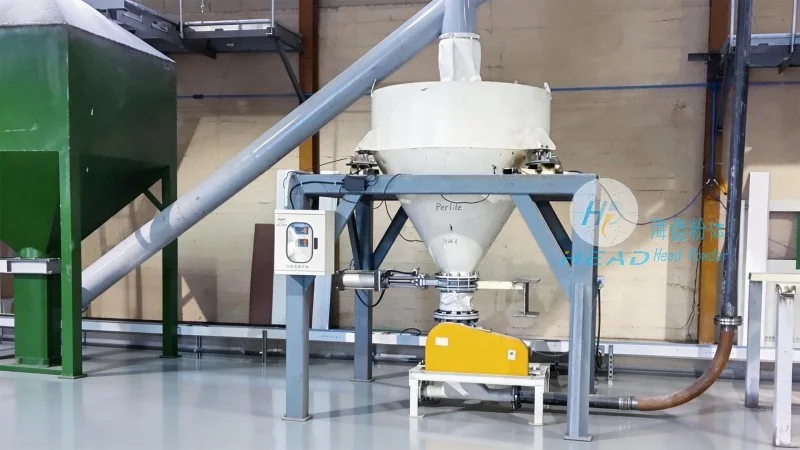
Shandong HeadPowder Engineering Co., Ltd., operating under the brand name headpowder, specializes in the design, manufacturing, and installation of advanced pneumatic conveying systems. With a focus on innovation and customer-centric solutions, the company has established itself as a leading provider of material handling equipment for industries dealing with fine powders. HeadPowder's expertise lies in tailoring systems to meet specific operational requirements, ensuring optimal performance and reliability.
Sponge sand powder pneumatic conveying lines represent a sophisticated solution for efficient material handling in industries dealing with fine powders. By understanding the working principle and leveraging the key features of these systems, businesses can enhance productivity, improve safety, and reduce operational costs. With companies like Shandong HeadPowder Engineering Co., Ltd. offering specialized solutions, the adoption of such systems continues to grow, addressing the evolving needs of modern industrial processes.

 Shandong Headpowder Engineering Co., Ltd.
 156-6277-7102(Manager Zhang)
  0531-83386006
  Zhangqiu District, Jinan City, Shandong Province, China
telephone
WeChatconsult
top