With more than 10‑year industry experience, Shandong Headpowder delivers full‑service pneumatic‑conveying systems and blowers, undertaking nationwide turn‑key powder‑handling projects.
When it comes to handling flour dust, the choice of pneumatic conveying system is critical for efficiency, safety, and operational reliability. Two primary approaches dominate the industry: negative pressure (or vacuum) systems and positive pressure systems. Each has its own set of advantages and applications, making it essential for businesses to understand the nuances of both before selecting a solution.
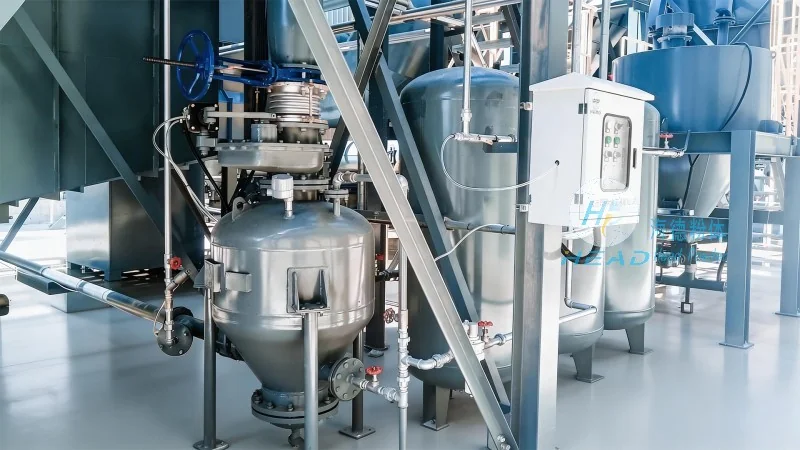
Negative pressure systems operate by creating a vacuum at the inlet of the conveying line, drawing material from the source into the system. This method is particularly effective for applications where the material is light, dusty, or prone to generating static electricity. The vacuum helps in controlling dust emissions and maintaining a clean environment at the source. For flour dust, which is often fine and can be hazardous if not contained, negative pressure systems offer a controlled and safe way to transport material.
One of the main advantages of negative pressure systems is their ability to handle materials that are sensitive to pressure changes. The system draws material in, reducing the risk of material degradation or caking. Additionally, these systems are generally quieter and produce less noise compared to positive pressure systems, which is beneficial in environments where noise control is a priority. The vacuum also helps in preventing dust from escaping into the surrounding air, enhancing safety and compliance with environmental regulations.
Conversely, positive pressure systems force air and material through the conveying line using a blower or compressor. This approach is ideal for materials that are heavy, abrasive, or require higher velocity to prevent blockages. For flour dust, positive pressure systems can be effective when dealing with larger quantities or when the material needs to be transported over longer distances. The pressurized air ensures that the material moves consistently through the system, minimizing the risk of clogs.
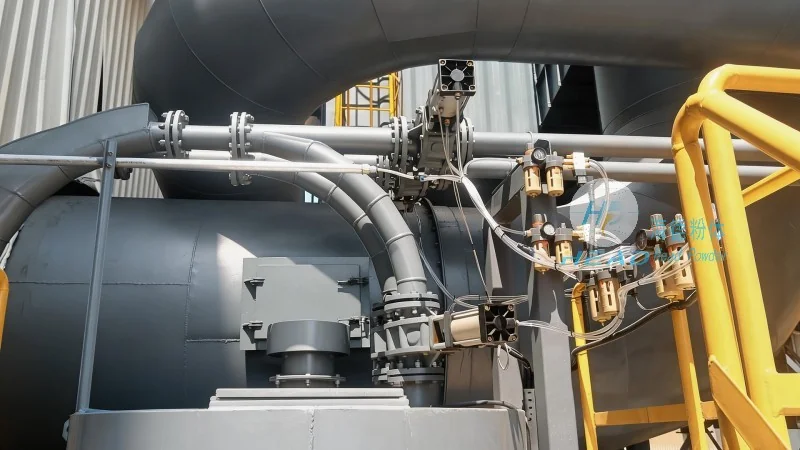
Positive pressure systems are generally more robust and can handle a wider range of materials, including those with higher moisture content or more abrasive properties. They are also more suitable for applications where the material needs to be discharged at high pressure or where the system is integrated with other processes that require a pressurized environment. However, they may generate more noise and require more maintenance due to the higher air pressure involved.
When choosing between negative and positive pressure systems for flour dust, several factors need to be considered. The first is the material's characteristics, such as particle size, moisture content, and flowability. Fine flour dust, which is common in many food processing operations, may perform better with negative pressure systems due to their ability to control dust and maintain a clean environment. On the other hand, if the flour is being transported in bulk quantities over long distances, a positive pressure system might be more efficient.
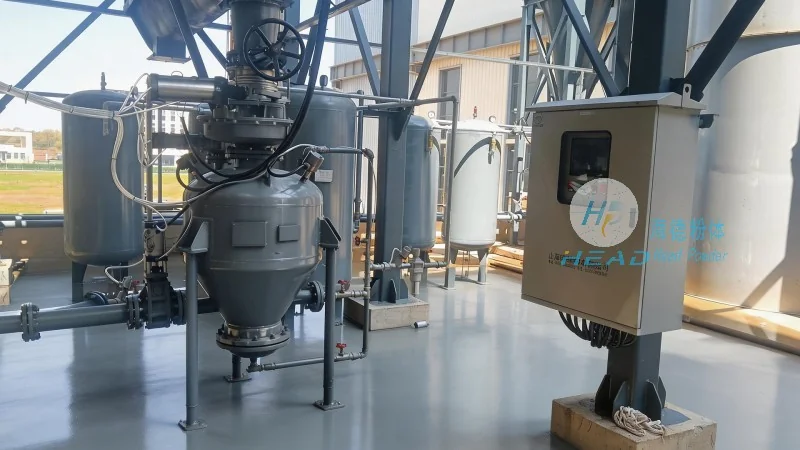
The design of a pneumatic conveying system for flour dust must also consider the overall process flow. For example, if the flour is being transferred from a silo to a processing unit, the system may need to be integrated with existing equipment to ensure smooth operation. The choice of components, such as the inlet hopper, filter, and discharge valve, is critical to the system's performance. A well-designed system will minimize downtime and maximize material throughput.
Shandong HeadPowder Engineering Co., Ltd. recently completed a project for a large flour mill in China. The mill was experiencing issues with dust emissions and material loss during the conveying process. By implementing a negative pressure system, the company was able to reduce dust emissions by over 90% and improve material recovery. The system was designed to handle fine flour dust efficiently, with a vacuum inlet that drew material from the silo and a filter that captured any remaining particles. The result was a cleaner, more efficient operation that met the mill's environmental and operational goals.
Ultimately, the choice between negative and positive pressure pneumatic conveying systems for flour dust depends on the specific requirements of the application. Negative pressure systems excel in controlling dust and handling fine materials, while positive pressure systems offer robustness and efficiency for larger or more demanding applications. By understanding the characteristics of the material and the operational needs of the process, businesses can select the most appropriate system to ensure safe, efficient, and cost-effective material handling.

 Shandong Headpowder Engineering Co., Ltd.
 156-6277-7102(Manager Zhang)
  0531-83386006
  Zhangqiu District, Jinan City, Shandong Province, China
telephone
WeChatconsult
top