With more than 10‑year industry experience, Shandong Headpowder delivers full‑service pneumatic‑conveying systems and blowers, undertaking nationwide turn‑key powder‑handling projects.
Resin particle pneumatic conveying systems represent a critical technology in material handling, particularly for industries dealing with granular or powdered resin materials. These systems utilize air or gas to transport resin particles from one location to another, offering advantages such as reduced contamination, improved efficiency, and enhanced safety compared to traditional mechanical conveying methods. The proper classification and application of these systems are essential for optimizing material flow and operational performance in various industrial settings.
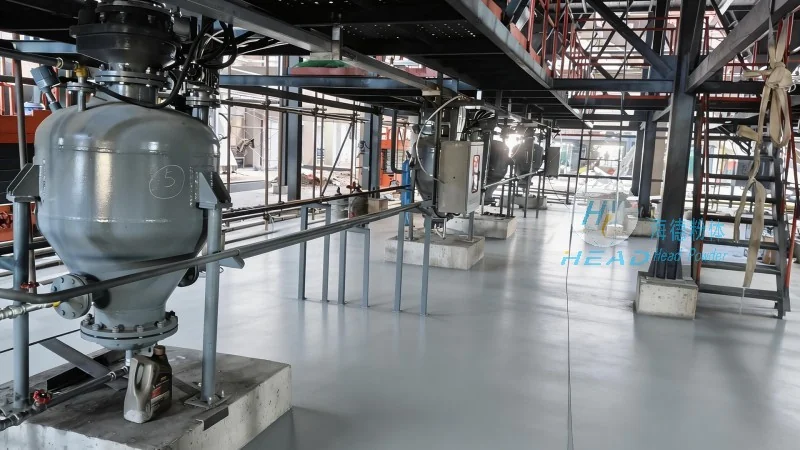
Resin particle pneumatic conveying systems can be broadly classified based on the pressure differential between the conveying line and the ambient environment. The primary categories include positive pressure systems, negative pressure systems, and hybrid systems. Positive pressure systems operate by blowing air or gas into the conveying line, creating a pressure higher than the ambient air, which forces the resin particles to move forward. Negative pressure systems, conversely, create a vacuum in the conveying line, drawing the resin particles into the system. Hybrid systems combine elements of both positive and negative pressure, offering flexibility in handling different particle sizes and flow rates. Additionally, systems can be further categorized by the type of air movement, such as dilute phase or dense phase conveying. Dilute phase systems use low air velocity to transport particles in a dispersed state, while dense phase systems employ higher air velocity and pressure to move particles in a more concentrated form, which is often preferred for handling abrasive or valuable resin materials.
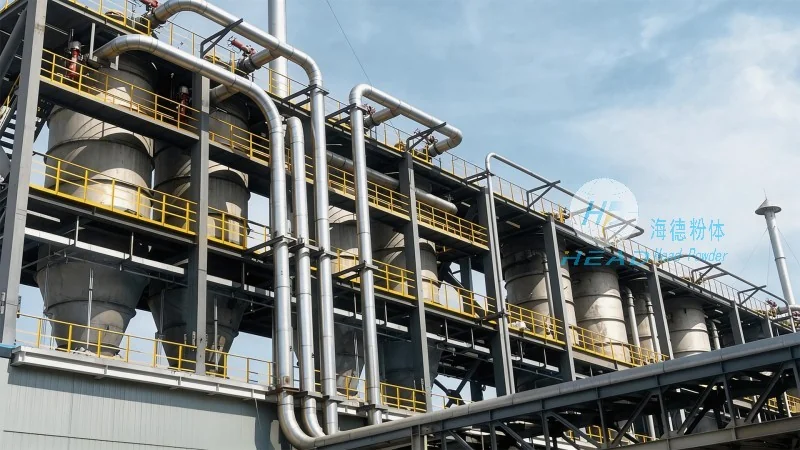
The application of resin particle pneumatic conveying systems spans multiple industries, each with unique requirements for material handling. In the chemical industry, these systems are widely used for transporting various types of resin powders, including polymeric resins, epoxy resins, and phenolic resins. The ability to maintain a clean and controlled environment is crucial in chemical processing, and pneumatic conveying systems effectively prevent cross-contamination and ensure product purity. The pharmaceutical industry also benefits from these systems, as they provide a sterile and hygienic method for handling resin-based excipients or active pharmaceutical ingredients (APIs). The food and beverage industry utilizes pneumatic conveying for transporting resin particles used in packaging or as additives, ensuring compliance with food safety regulations. Furthermore, in the manufacturing sector, resin particle pneumatic conveying systems are employed in the production of composites, coatings, and adhesives, where precise control over particle flow is essential for achieving consistent product quality. Each application leverages the specific characteristics of the conveying system, such as pressure control, particle size handling, and system flexibility, to meet the demands of the respective industry.
When selecting a resin particle pneumatic conveying system, several factors must be considered to ensure optimal performance and cost-effectiveness. The primary advantages of these systems include reduced labor costs, as automated conveying eliminates the need for manual handling of resin particles. Additionally, pneumatic systems minimize material degradation by avoiding physical contact with conveying equipment, which is particularly important for heat-sensitive or abrasive resin materials. Another key benefit is the ability to handle a wide range of particle sizes and shapes, from fine powders to coarse granules, without requiring significant modifications to the system. However, system selection also involves considerations related to energy consumption, as pneumatic conveying can be more energy-intensive compared to mechanical methods. The choice between positive and negative pressure systems depends on the specific application, with positive pressure systems being more suitable for long-distance or high-volume conveying, while negative pressure systems are often preferred for short-distance or low-volume applications. The system's capacity, pressure requirements, and the type of resin being handled are critical parameters that influence the overall efficiency and effectiveness of the conveying process. Proper maintenance and regular inspections are also essential to ensure the longevity and reliability of the system, as resin particles can cause wear and tear on components over time.
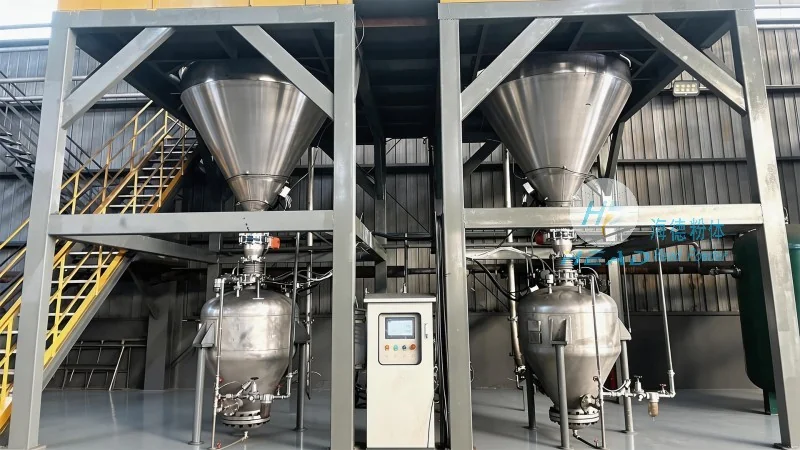
Shandong HeadPowder Engineering Co., Ltd., commonly known as HeadPowder, is a prominent manufacturer specializing in the design, development, and supply of resin particle pneumatic conveying systems. With a strong presence in China, particularly in Shandong, HeadPowder has established itself as a trusted partner for industries seeking reliable and efficient material handling solutions. The company's expertise lies in customizing pneumatic conveying systems to meet the unique needs of clients, ensuring that each system is tailored to the specific characteristics of the resin material, the application requirements, and the operational environment. HeadPowder's products are known for their durability, efficiency, and adherence to industry standards, making them suitable for a wide range of industrial applications. The company's commitment to quality and customer satisfaction is reflected in its comprehensive after-sales support, including maintenance services, technical assistance, and system upgrades. By leveraging advanced technology and a deep understanding of material handling processes, HeadPowder continues to deliver innovative solutions that enhance operational efficiency and reduce costs for its clients. Whether for chemical processing, pharmaceutical manufacturing, or other industries, HeadPowder's resin particle pneumatic conveying systems provide a reliable and effective means of transporting resin materials, contributing to improved productivity and product quality.

 Shandong Headpowder Engineering Co., Ltd.
 156-6277-7102(Manager Zhang)
  0531-83386006
  Zhangqiu District, Jinan City, Shandong Province, China
telephone
WeChatconsult
top