With more than 10‑year industry experience, Shandong Headpowder delivers full‑service pneumatic‑conveying systems and blowers, undertaking nationwide turn‑key powder‑handling projects.
When it comes to handling wood dust in industrial settings, selecting the right conveying method is crucial for efficiency, safety, and operational costs. Wood dust, often generated during woodworking, sawing, or processing operations, requires specialized equipment to transport it from one location to another without causing contamination or health hazards. The choice of conveying method depends on factors such as the dust's properties, the distance to be covered, the required flow rate, and the overall system layout. In this article, we explore the common methods used for wood dust conveying, highlighting their advantages, applications, and how they contribute to effective material handling in the industry.
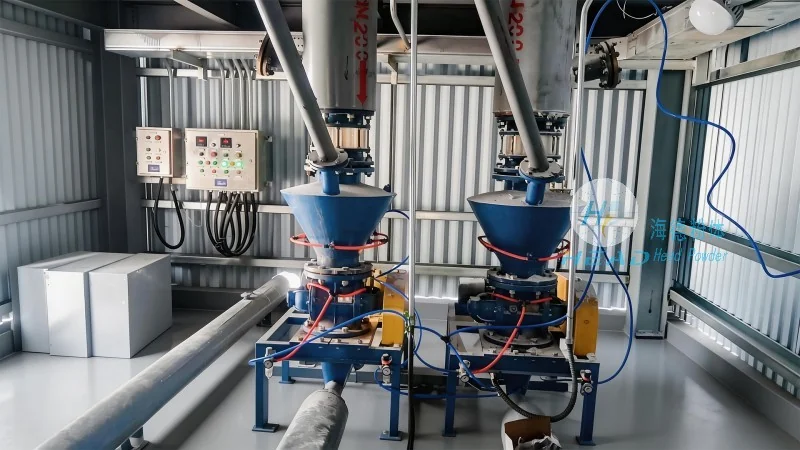
Wood dust is a fine particulate material produced during various woodworking processes. It can be abrasive, flammable, and pose health risks if not handled properly. Conveying wood dust requires systems that can handle these characteristics while ensuring minimal loss and contamination. Traditional methods like manual shoveling or bucket elevators are often insufficient for large-scale operations, leading to the adoption of more advanced, automated solutions. The primary challenges in wood dust conveying include preventing dust explosions, maintaining air quality, and ensuring consistent flow rates. These challenges are addressed through specialized equipment designed to control dust dispersion and maintain system integrity.
Several methods are commonly used for wood dust conveying, each with its own set of advantages and applications. The most prevalent approaches include pneumatic conveying, mechanical conveying, and hybrid systems. Pneumatic conveying, which uses air pressure to move dust, is widely adopted due to its flexibility and ability to handle fine particles. Mechanical conveying methods, such as screw conveyors and belt conveyors, are also popular for their reliability and cost-effectiveness. Hybrid systems combine elements of both pneumatic and mechanical conveying to optimize performance based on specific operational needs.
Pneumatic conveying is a widely used method for wood dust transport, leveraging air pressure to move particles through a pipeline. This method can be categorized into two main types: pressure and vacuum systems. Pressure systems use compressed air to push dust from the source to the destination, while vacuum systems use suction to draw dust into the system. The choice between pressure and vacuum depends on the distance, elevation changes, and the amount of dust to be conveyed. Pneumatic systems are particularly effective for fine wood dust, as they can maintain consistent flow rates and minimize particle degradation. They are also suitable for long-distance transport and can integrate with other processing equipment, such as cyclones and filters, to enhance overall system efficiency.
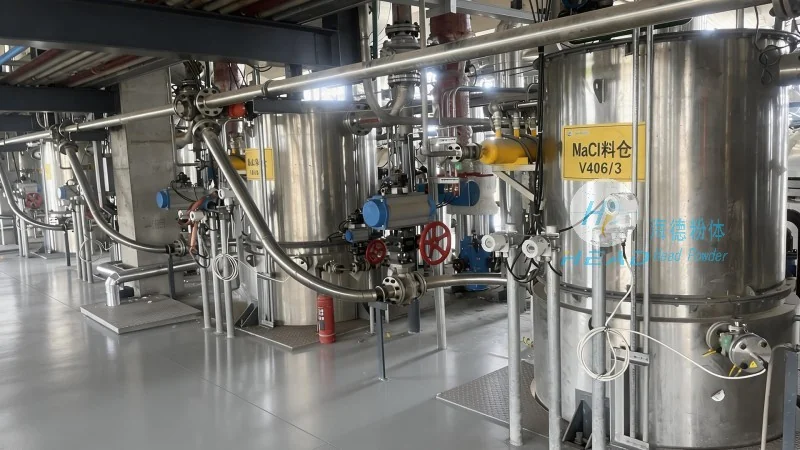
Mechanical conveying methods rely on mechanical components to move wood dust, such as screws, belts, or buckets. Screw conveyors, also known as augers, are commonly used for horizontal or slightly inclined transport. They consist of a rotating screw inside a tube, which pushes the dust forward. Screw conveyors are ideal for handling bulk materials and can be easily integrated into existing systems. Belt conveyors, on the other hand, use a continuous belt to transport dust, often in horizontal or slightly inclined configurations. These systems are suitable for medium to large volumes of dust and can be equipped with special belts to handle abrasive materials. Mechanical conveying systems are generally more cost-effective for short distances and lower flow rates compared to pneumatic systems, making them a preferred choice for many applications.
Hybrid systems combine the benefits of pneumatic and mechanical conveying to address specific operational requirements. For example, a system might use a pneumatic transport for long-distance horizontal movement and a mechanical conveyor for vertical or inclined sections. This approach allows for flexibility in system design and can optimize energy consumption. Hybrid systems are particularly useful in complex layouts where both pressure and mechanical forces are needed to achieve the desired flow. They can also improve overall system efficiency by reducing the need for multiple components and minimizing downtime due to maintenance.
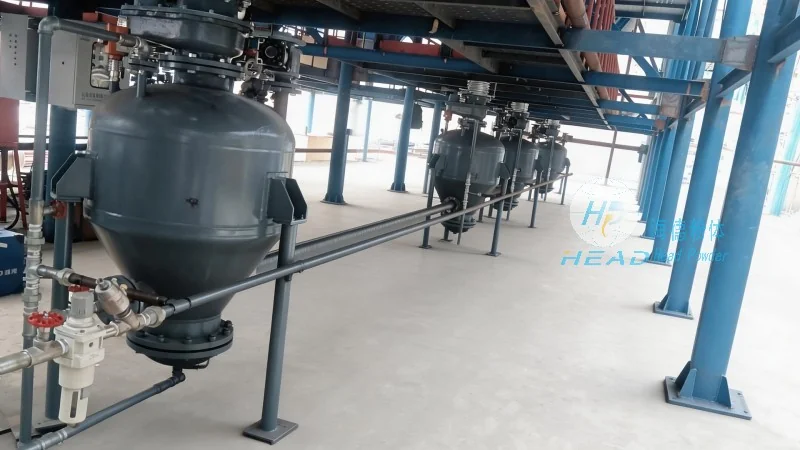
When selecting a wood dust conveying method, several factors must be considered to ensure optimal performance. The first is the dust's properties, including particle size, moisture content, and abrasiveness. Fine, dry dust may be better suited for pneumatic systems, while coarser or wetter dust might require mechanical conveyors. The second factor is the distance and elevation changes between the source and destination. For short distances and minimal elevation changes, mechanical systems may suffice, while long distances or significant vertical movement may necessitate pneumatic or hybrid solutions. The third consideration is the required flow rate and system capacity. High-volume applications may require multiple conveyors or larger diameter pipelines, while low-volume operations can use smaller systems. Additionally, safety and environmental regulations must be taken into account, as some methods may pose higher risks of dust explosions or air pollution.
Each conveying method offers distinct advantages and is suited to different applications. Pneumatic systems excel in applications requiring flexibility, such as moving dust from multiple sources to a central collection point. They are also ideal for environments where dust contamination must be minimized, as the system is enclosed and can be integrated with filtration equipment. Mechanical systems, particularly screw and belt conveyors, are advantageous in applications where cost is a primary concern and the dust is less abrasive. They are commonly used in woodworking plants, sawmills, and furniture manufacturing facilities for transporting sawdust, shavings, and other wood waste. Hybrid systems are beneficial in large-scale operations where both long-distance and vertical transport are required, such as in pulp and paper mills or large woodworking complexes. These systems can handle high volumes of dust and adapt to changing operational conditions, ensuring consistent performance over time.
Choosing the right wood dust conveying method is essential for efficient and safe material handling in industrial settings. Pneumatic, mechanical, and hybrid systems each offer unique benefits and are selected based on specific operational needs, dust properties, and system requirements. By understanding the characteristics of wood dust and the capabilities of different conveying technologies, businesses can optimize their material handling processes, reduce operational costs, and enhance overall productivity. As the woodworking industry continues to evolve, the adoption of advanced conveying systems will remain critical in maintaining efficiency and compliance with safety and environmental standards. Companies like Shandong HeadPowder Engineering Co., Ltd. specialize in designing and manufacturing customized conveying solutions tailored to the unique needs of wood dust applications, ensuring reliable and effective material transport in various industrial environments.

 Shandong Headpowder Engineering Co., Ltd.
 156-6277-7102(Manager Zhang)
  0531-83386006
  Zhangqiu District, Jinan City, Shandong Province, China
telephone
WeChatconsult
top