With more than 10‑year industry experience, Shandong Headpowder delivers full‑service pneumatic‑conveying systems and blowers, undertaking nationwide turn‑key powder‑handling projects.
For agricultural operations, the efficient and reliable transportation of potassium carbonate fertilizer is crucial for maintaining productivity and ensuring consistent nutrient delivery to crops. Pneumatic conveying systems have emerged as a key technology in this domain, offering solutions that enhance material handling capabilities while reducing operational costs. This article provides a comprehensive classification and application analysis of pneumatic conveying systems specifically designed for potassium carbonate fertilizer, highlighting the technical aspects, operational considerations, and practical implementations by Shandong HeadPowder Engineering Co., Ltd.
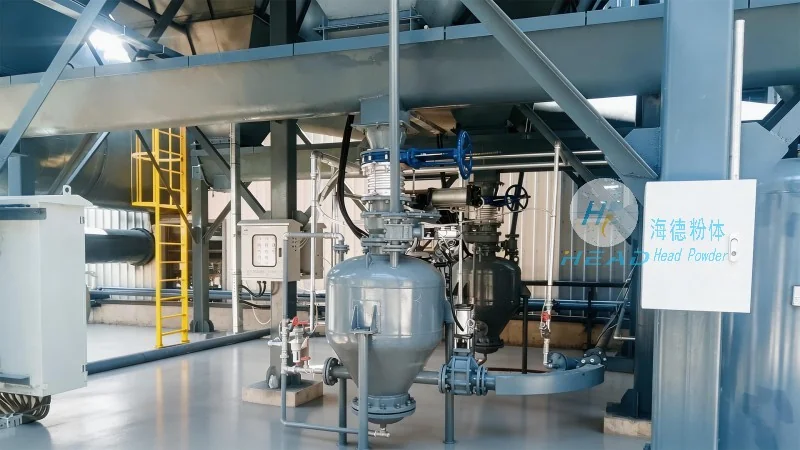
Shandong HeadPowder Engineering Co., Ltd., commonly known as HeadPowder, is a leading engineering firm based in Shandong, China. With a strong focus on industrial material handling solutions, the company specializes in the design, manufacturing, and implementation of advanced pneumatic conveying systems. HeadPowder leverages decades of industry experience to deliver customized solutions tailored to the unique requirements of fertilizer processing and distribution, ensuring high efficiency, durability, and compliance with industry standards.
Pneumatic conveying systems for potassium carbonate fertilizer can be broadly classified based on the pressure differentials used to move material. The primary categories include positive pressure systems, negative pressure systems, and hybrid systems. Each type has distinct characteristics that make it suitable for different operational scenarios.
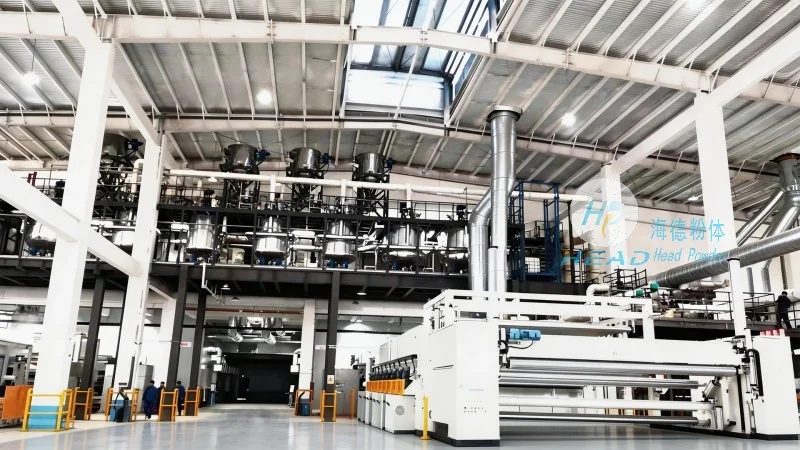
Positive pressure systems operate by generating air flow that pushes material through the conveying line. This method is particularly effective for transporting bulk materials over long distances or through complex network configurations. In the context of potassium carbonate fertilizer, positive pressure systems are often preferred for applications requiring high material throughput and minimal product degradation. The system typically consists of a blower, a material feed hopper, and a series of pipelines that transport the fertilizer from the source to the destination. Key advantages include the ability to handle abrasive materials, reduce dust emissions, and maintain consistent flow rates. However, they may require more energy compared to negative pressure systems and need regular maintenance to prevent wear and tear on components.
Negative pressure systems, also known as vacuum systems, operate by creating a low-pressure environment that draws material into the conveying line. This approach is ideal for applications where dust control is a priority and the material needs to be transported from multiple sources to a central collection point. For potassium carbonate fertilizer, negative pressure systems are commonly used in facilities where the product is sensitive to pressure changes or where the need to minimize air emissions is critical. The system includes a vacuum pump, a collection hopper, and a network of ducts that pull the fertilizer into the system. Benefits of negative pressure systems include lower energy consumption and reduced noise levels compared to positive pressure systems. However, they may have limitations in handling highly abrasive or sticky materials and require careful design to prevent blockages.
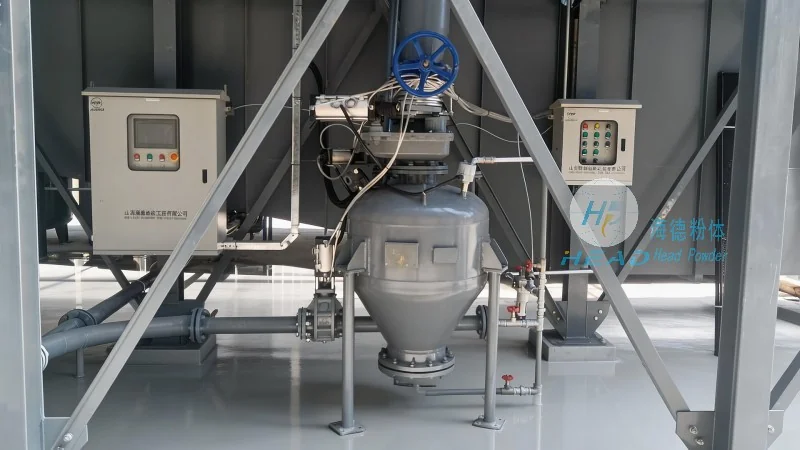
Hybrid systems combine elements of both positive and negative pressure technologies to optimize performance for specific applications. These systems are designed to handle a wide range of material characteristics and operational requirements. In the case of potassium carbonate fertilizer, hybrid systems may be employed when a facility needs to transport material over varying distances or through different environmental conditions. The system typically integrates a blower and a vacuum pump, allowing for flexible operation modes. This flexibility enables operators to switch between positive and negative pressure modes based on real-time operational needs, enhancing overall system efficiency and adaptability. Hybrid systems are particularly beneficial in large-scale fertilizer plants where multiple processing stages and diverse material handling tasks are involved.
The application of pneumatic conveying systems in potassium carbonate fertilizer handling depends on several factors, including the scale of operations, the nature of the material, and the specific process requirements. Large-scale fertilizer production facilities often utilize integrated systems that combine multiple conveying lines and storage units. For instance, in a plant producing potassium carbonate fertilizer, the system may involve transporting raw materials from storage silos to processing units, then moving the finished product to packaging and distribution areas. The choice of system type (positive, negative, or hybrid) is influenced by the distance between these stages, the need for dust control, and the energy efficiency goals of the facility.
Shandong HeadPowder Engineering Co., Ltd. has successfully implemented pneumatic conveying systems for potassium carbonate fertilizer in various industrial settings. One notable case involved a fertilizer plant in Shandong, China, where the company designed a positive pressure system to transport 500 tons of potassium carbonate fertilizer per day over a distance of 1,200 meters. The system was engineered to handle the abrasive nature of the material and included advanced filtration and dust control measures to meet environmental regulations. The implementation resulted in a 30% reduction in material handling time and a 20% decrease in operational costs compared to traditional methods. Another application involved a negative pressure system used in a processing facility that required precise control over dust emissions during material transfer. The system was customized to handle sticky potassium carbonate fertilizer, incorporating special materials for the ductwork and a high-efficiency filter system. This solution ensured that the facility complied with local air quality standards while maintaining high material throughput.
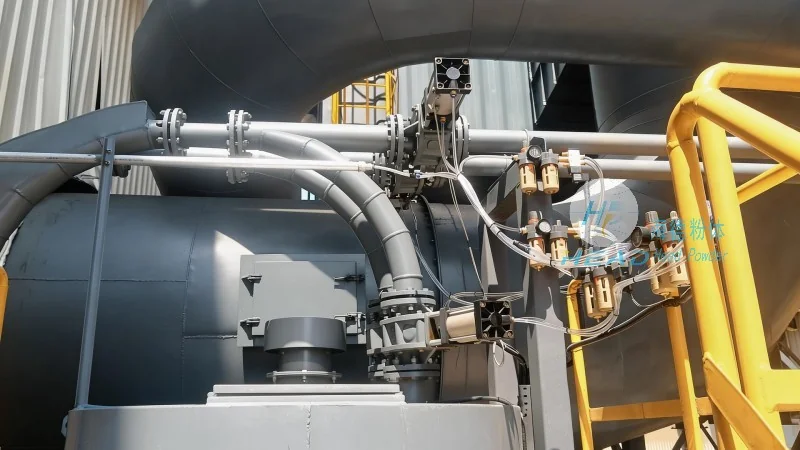
When selecting a pneumatic conveying system for potassium carbonate fertilizer, several technical advantages and operational considerations must be evaluated. Key advantages include high material throughput, reduced labor costs, and the ability to handle materials in bulk without the need for intermediate storage. The systems also offer flexibility in terms of layout and can be integrated with existing infrastructure. However, operational considerations such as material properties (e.g., particle size, moisture content), system pressure, and maintenance requirements play a critical role in system performance. For example, potassium carbonate fertilizer may have varying particle sizes that affect flow characteristics, and the system must be designed to accommodate these variations to prevent blockages or uneven flow. Regular maintenance, including cleaning of filters and checking for wear on components, is essential to ensure the longevity and efficiency of the system.
As the fertilizer industry continues to evolve, advancements in pneumatic conveying technology are expected to enhance the efficiency and sustainability of material handling processes. Emerging trends include the integration of automation and control systems, which enable real-time monitoring and adjustment of system parameters. This can lead to optimized energy consumption and improved material flow control. Additionally, the development of more durable and corrosion-resistant materials for system components is addressing the challenges posed by abrasive potassium carbonate fertilizer. Furthermore, the adoption of sustainable practices, such as energy-efficient blowers and reduced emissions, is becoming increasingly important in modern fertilizer processing. Shandong HeadPowder Engineering Co., Ltd. is at the forefront of these innovations, continuously researching and implementing new technologies to provide cutting-edge solutions for its clients.

 Shandong Headpowder Engineering Co., Ltd.
 156-6277-7102(Manager Zhang)
  0531-83386006
  Zhangqiu District, Jinan City, Shandong Province, China
telephone
WeChatconsult
top