With more than 10‑year industry experience, Shandong Headpowder delivers full‑service pneumatic‑conveying systems and blowers, undertaking nationwide turn‑key powder‑handling projects.
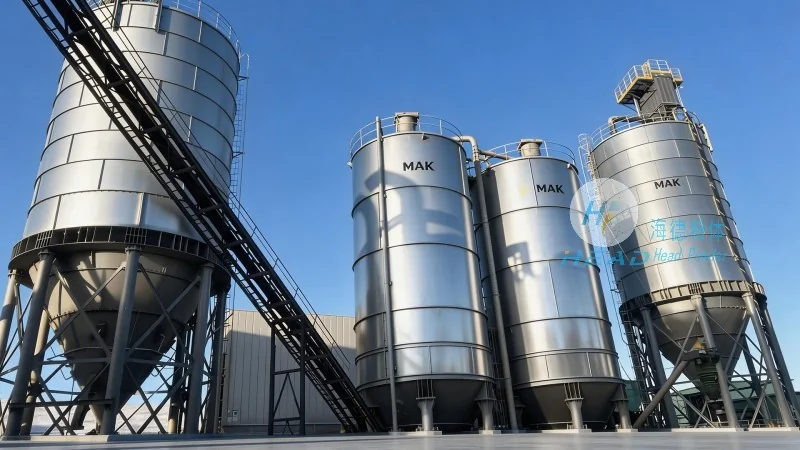
In the complex landscape of food processing and manufacturing, the handling of raw ingredients is just as critical as the production process itself. Among these ingredients, flour stands out as a highly sensitive material that requires precise handling to maintain its quality, texture, and purity. Dust control, hygiene standards, and operational efficiency are the primary concerns for any facility dealing with bulk flour. This is where advanced material handling solutions become indispensable. A reliable system for flour transportation not only ensures that the product reaches its destination without degradation but also protects the working environment from the risks associated with flour dust, such as explosion hazards and contamination. Selecting the right technology is therefore a strategic decision that impacts safety, product quality, and long-term operational costs.
For facilities seeking a robust solution, the focus often shifts toward pneumatic conveying technologies. Unlike traditional mechanical methods, pneumatic systems offer a sealed environment that eliminates external exposure to the flour. This ensures that the flour remains uncontaminated and free from moisture absorption or clumping during transit. When evaluating potential suppliers, it is essential to look for a company that combines engineering expertise with a deep understanding of the specific challenges associated with fine powder handling.
To appreciate the value of modern flour pneumatic conveying, one must first understand the limitations of older, mechanical methods. Traditional conveyors, such as screw conveyors or belt conveyors, typically involve moving parts that physically contact the flour. While effective for some applications, these methods can generate friction, which generates heat, potentially altering the flour's properties. Furthermore, mechanical conveyors often have gaps and openings that can allow dust to escape into the facility, posing serious health and safety risks. In contrast, pneumatic conveying systems operate by using air pressure to move the flour through a fully enclosed pipeline. This method is inherently dust-tight, making it the superior choice for maintaining a clean and safe production environment.
The technology behind material conveying has evolved significantly over the years. Modern pneumatic systems are designed to handle various flow characteristics of powders and granules. They offer flexibility in layout, allowing for horizontal, vertical, and diagonal runs that can navigate complex plant floor plans without the need for multiple pieces of equipment. This flexibility reduces the footprint of the machinery and minimizes the number of transfer points where contamination could occur. By utilizing air as the transport medium, these systems provide a gentle handling action that preserves the integrity of the flour, ensuring that it arrives at the packaging or mixing station in its original, high-quality state.
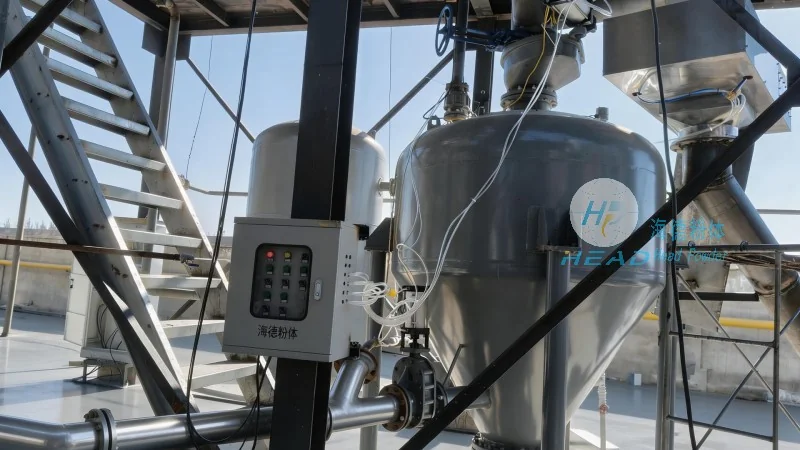
When it comes to specialized engineering for the food industry, Shandong Headpowder Engineering Co., Ltd. has established itself as a prominent player. The company is dedicated to providing cutting-edge solutions for flour transportation, specifically focusing on the nuances of pneumatic conveying systems. With a strong foundation in engineering and manufacturing, Headpowder Engineering Co., Ltd. understands that every flour mill and bakery has unique requirements. Whether it is a large-scale industrial plant or a medium-sized production facility, the company tailors its systems to meet specific throughput demands and spatial constraints.
The core of the company's offering lies in its advanced flour pneumatic conveying technology. This involves the design and fabrication of high-quality components, including air compressors, material pumps, and control systems. The team at Headpowder Engineering Co., Ltd. prioritizes durability and efficiency, ensuring that the equipment can withstand the rigorous demands of continuous operation. By integrating state-of-the-art control systems, the company allows for precise monitoring of the conveying process, enabling operators to adjust air pressure and flow rates in real-time to optimize performance.
A successful material conveying system is built upon several key technical features that distinguish it from standard models. Headpowder Engineering Co., Ltd. designs systems that are not only efficient but also highly reliable. One of the standout features of their systems is the use of specialized wear-resistant materials in the pipeline and pump construction. Since flour can be abrasive and the systems often operate under high pressure, material longevity is a top priority. The engineering team ensures that critical wear areas are reinforced, significantly extending the service life of the equipment and reducing maintenance downtime.
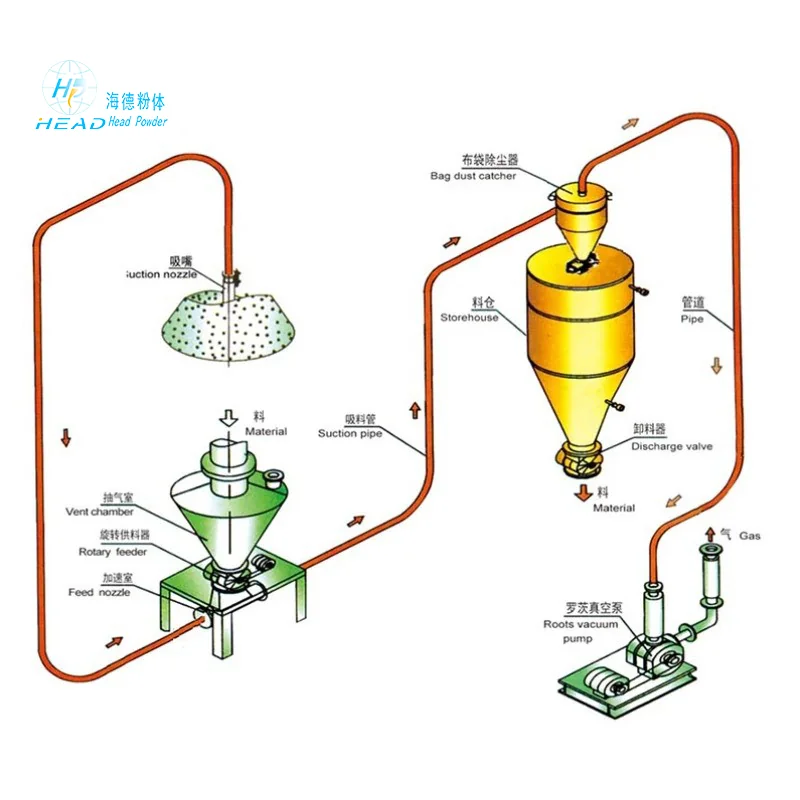
Another critical aspect of the Headpowder system is its energy efficiency. By optimizing the air-to-material ratio, the company ensures that the system consumes minimal power while delivering maximum output. This is achieved through advanced aerodynamic design in the piping and pump chambers. Furthermore, the systems are equipped with high-performance dust collection units. These filters capture any fine particles that might escape the pipeline, ensuring that the exhaust air is clean and compliant with environmental regulations. This comprehensive approach to design ensures that the entire flour transportation process is seamless, from the receiving hopper to the final discharge point.
Shandong Headpowder Engineering Co., Ltd. prides itself on its ability to offer customized solutions. No two factories are identical, and a one-size-fits-all approach rarely works in industrial engineering. The company works closely with clients to analyze their specific production lines and recommend the most suitable configuration for their flour pneumatic conveying needs. This customization can range from the size and layout of the pipelines to the type of valves and controls used.
The technical specifications of Headpowder's equipment are designed to meet rigorous international standards. The systems are capable of handling a wide range of capacities, from small batch transfers to massive continuous flows. The control panels are user-friendly, allowing operators to easily monitor system pressure, flow rates, and blockage conditions. This level of control is essential for maintaining consistent product quality and preventing costly operational errors. By providing detailed technical support and engineering drawings, Shandong Headpowder Engineering Co., Ltd. ensures that the installation process is smooth and that the equipment integrates perfectly into the client's existing infrastructure.
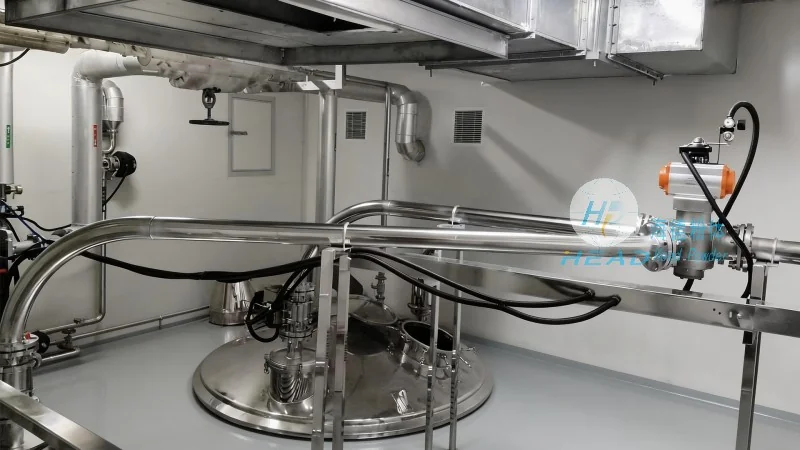
Investing in a material conveying system is a long-term commitment, and Headpowder Engineering Co., Ltd. provides comprehensive support to ensure that the equipment remains in peak condition. The design philosophy of the company emphasizes ease of maintenance. Key components are easily accessible for inspection and replacement, reducing the time and labor required for routine servicing. The pneumatic systems are also designed to be self-cleaning to a certain extent, preventing material buildup that could lead to blockages or reduced efficiency.
Operational efficiency is the ultimate goal of any engineering project. By minimizing energy consumption and maximizing throughput, Headpowder's systems contribute to a lower cost of production. The closed-loop nature of the pneumatic system also reduces the need for manual labor in moving flour between silos and processing units. This automation not only saves labor costs but also reduces the risk of human error and contamination. For facilities in China and beyond, Shandong Headpowder Engineering Co., Ltd. offers a reliable partner in achieving these operational goals through superior engineering and product quality.
If your facility is in need of a reliable, efficient, and hygienic solution for flour transportation, Shandong Headpowder Engineering Co., Ltd. is ready to assist you. With a commitment to excellence and a deep understanding of pneumatic conveying technology, the company is equipped to handle projects of any scale. To discuss your specific requirements and explore the best options for your flour pneumatic conveying needs, please contact the company directly. You may reach out to Zhang Manager for detailed consultations and technical support. For immediate communication, you can connect via WeChat at 15662777102. The team at Shandong Headpowder Engineering Co., Ltd. looks forward to helping you optimize your material handling processes and ensure the highest standards of quality and safety in your operations.

 Shandong Headpowder Engineering Co., Ltd.
 156-6277-7102(Manager Zhang)
  0531-83386006
  Zhangqiu District, Jinan City, Shandong Province, China
telephone
WeChatconsult
top