Classification and Composition of Feather Pneumatic Conveying Systems
Release time:2026-09-14 10:38:47
name of the company:Shandong Headpowder Engineering Co., Ltd.
telephone:156-6277-7102
contacts:Manager Zhang
Feather pneumatic conveying systems are specialized equipment designed for the efficient transportation of lightweight materials such as feathers, powders, and fine particles. These systems utilize air as the primary medium to move materials from one location to another, offering advantages like low maintenance, minimal product contamination, and the ability to handle delicate or sensitive materials. Understanding the classification and components of such systems is crucial for selecting the right solution for specific industrial applications.
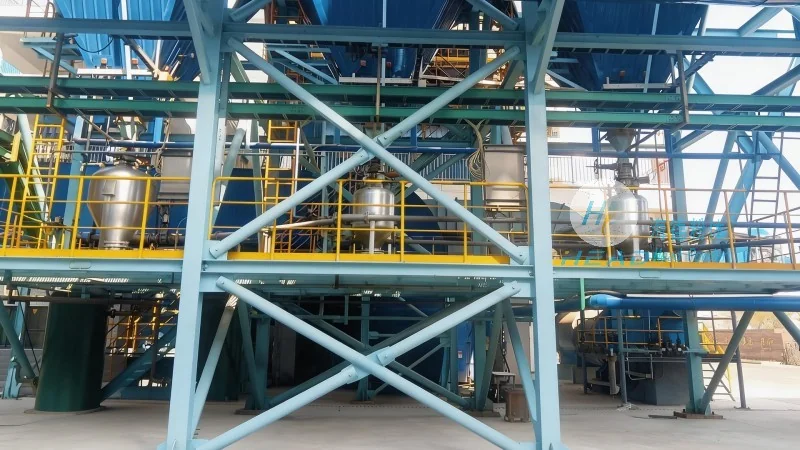
Company Introduction
Headpowder, a leading manufacturer in the field, specializes in the design, development, and production of high-quality pneumatic conveying systems. With a strong commitment to innovation and customer satisfaction, the company has established itself as a trusted partner for industries requiring reliable material handling solutions. Headpowder's products are engineered to meet diverse operational needs, ensuring optimal performance and durability.
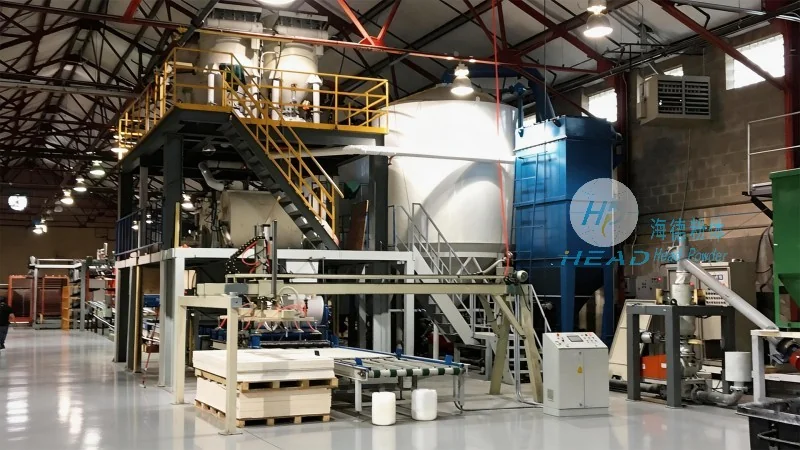
Classification of Feather Pneumatic Conveying Systems
Feather pneumatic conveying systems can be classified based on several key factors, including the method of air delivery, material handling capacity, and system configuration. The primary classifications include:
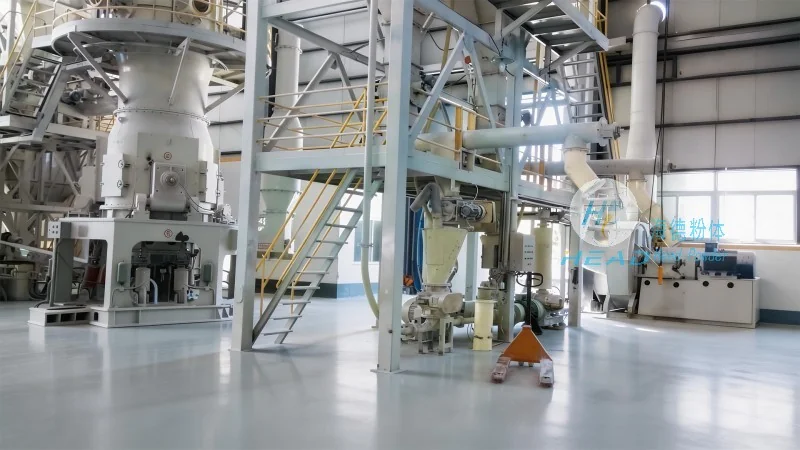
- Positive Pressure Systems: These systems use a blower or fan to generate positive pressure, pushing air and material through the conveying line. They are suitable for short to medium distances and are commonly used for transporting light materials like feathers.
- Negative Pressure (Vacuum) Systems: In this type of system, a vacuum pump creates a negative pressure environment, drawing material into the conveying line. Negative pressure systems are ideal for applications requiring material collection from multiple points or for handling materials that may be dusty or have a tendency to create dust.
- Combined Systems: Some applications may require a combination of both positive and negative pressure components, allowing for flexibility in material transport. These systems are often used in complex setups where materials need to be transported over longer distances or through multiple stages.
Key Components of Feather Pneumatic Conveying Systems
Each feather pneumatic conveying system consists of several essential components that work together to ensure efficient material transport. The main components include:
- Feeder: The feeder is responsible for introducing the material into the system at a controlled rate. For feather materials, specialized feeders such as rotary valves or screw feeders are used to ensure consistent material flow without causing damage to the delicate feathers.
- Conveying Line: The conveying line, typically made of metal or flexible tubing, carries the air and material from the feeder to the discharge point. The design of the line, including its diameter and length, is critical to maintaining optimal air velocity and preventing material deposition or blockages.
- Blower or Vacuum Pump: This component generates the necessary air pressure or vacuum to move the material through the system. The choice of blower depends on the system type (positive or negative pressure) and the specific material being conveyed. High-efficiency models are preferred to minimize energy consumption.
- Separators and Filters: These components are used to separate the material from the air stream and filter out any dust or particles. For feather materials, efficient separators are essential to prevent feather loss and maintain air quality. Cyclone separators and bag filters are commonly used in such systems.
- Discharge Unit: The discharge unit collects the material from the conveying line and delivers it to the final destination. It may include components like a rotary valve or a hopper to ensure smooth material discharge without causing blockages or spillage.
Design Considerations for Efficient Operation
Designing an effective feather pneumatic conveying system involves several considerations to ensure optimal performance and longevity. Key factors include:
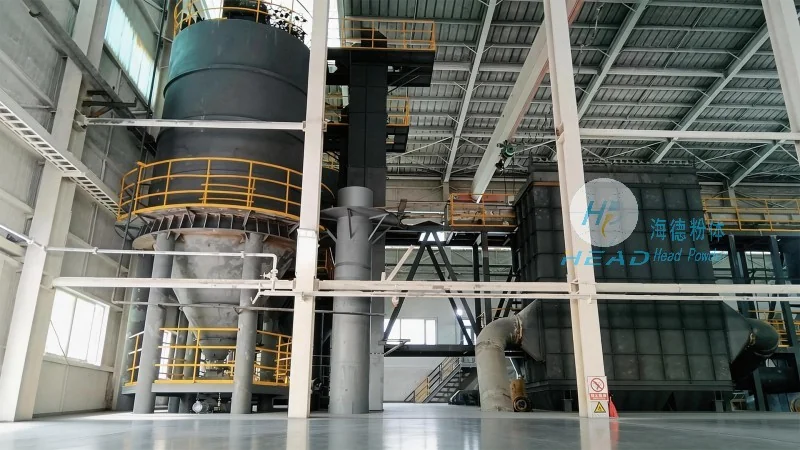
- Air Velocity: Maintaining the correct air velocity is crucial to prevent material settling or blockages in the conveying line. For feather materials, a lower air velocity is often required to avoid damaging the feathers while still ensuring efficient transport.
- System Sizing: Proper sizing of the conveying line, blower, and other components is essential to match the material flow rate and distance requirements. Oversized or undersized components can lead to inefficiencies or system failure.
- Material Compatibility: The materials used in the system, such as the feeder, conveying line, and separators, must be compatible with the feather material to prevent contamination or degradation. Stainless steel and other corrosion-resistant materials are commonly used.
- Maintenance and Cleaning: Regular maintenance and cleaning are necessary to ensure the system operates efficiently and to prevent the buildup of dust or material residues. Proper maintenance schedules and cleaning procedures are critical for long-term system performance.
Applications in Industrial Settings
Feather pneumatic conveying systems are widely used in various industries, including poultry processing, food processing, and material handling. Some common applications include:

 Shandong Headpowder Engineering Co., Ltd.
 156-6277-7102(Manager Zhang)
  0531-83386006
  Zhangqiu District, Jinan City, Shandong Province, China