With more than 10‑year industry experience, Shandong Headpowder delivers full‑service pneumatic‑conveying systems and blowers, undertaking nationwide turn‑key powder‑handling projects.
When designing a pneumatic conveying system for sodium chlorate, it is crucial to consider several key factors to ensure efficiency, safety, and reliability. The system must be tailored to handle the specific properties of sodium chlorate, which is a white crystalline solid commonly used in industrial applications such as bleaching, chemical synthesis, and water treatment. Proper system design helps maintain product quality, minimize material loss, and comply with safety regulations. This article outlines the essential components and considerations for designing an effective sodium chlorate pneumatic conveying system, with a focus on the expertise and solutions provided by Shandong HeadPowder Engineering Co., Ltd., a leading company in the field.
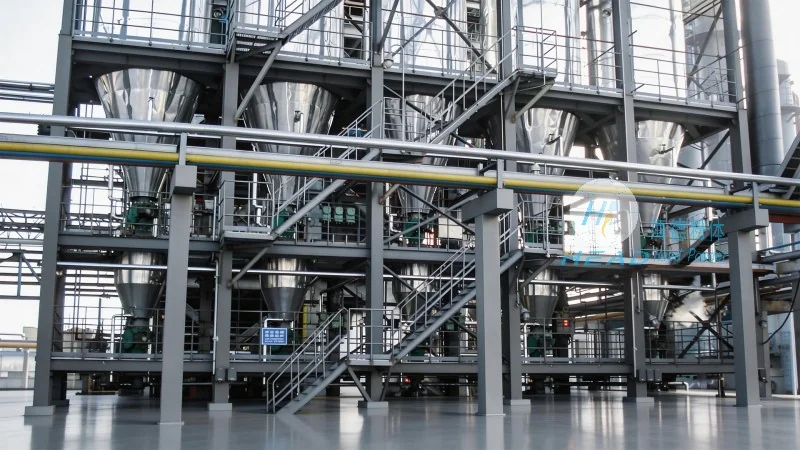
The core components of a sodium chlorate pneumatic conveying system typically include a hopper for material storage, a feeder to control the flow rate, a conveying line (usually made of stainless steel to resist corrosion), a dust collector to capture fine particles, and a receiver for the discharged material. The hopper is designed to prevent material bridging and ensure consistent feeding, which is critical for maintaining system performance. The feeder, often a rotary valve or a screw feeder, regulates the amount of sodium chlorate fed into the system, preventing overloading or underfeeding that could lead to system inefficiencies. The conveying line is constructed from corrosion-resistant materials like stainless steel to withstand the chemical properties of sodium chlorate and prevent degradation over time. A dust collector is essential to capture any fine particles that may be entrained in the air stream, ensuring compliance with environmental regulations and maintaining air quality. The receiver collects the conveyed material and can be designed as a storage bin or a discharge hopper, depending on the downstream process requirements.
Handling sodium chlorate requires careful attention to its physical and chemical properties. Sodium chlorate is hygroscopic, meaning it can absorb moisture from the air, which may affect its flow characteristics and stability. The system design must account for this by incorporating drying or moisture control measures if necessary. Additionally, sodium chlorate is a potentially hazardous material, and the system must be designed with safety in mind, including explosion-proof components and proper ventilation to prevent the accumulation of dust or fumes. The material's particle size and density also influence the conveying velocity and pressure requirements. Coarser particles may require higher air velocities to ensure effective transport, while finer particles may need lower velocities to prevent clogging or excessive pressure drops. The system must be optimized to balance these factors to achieve efficient and reliable material transport.
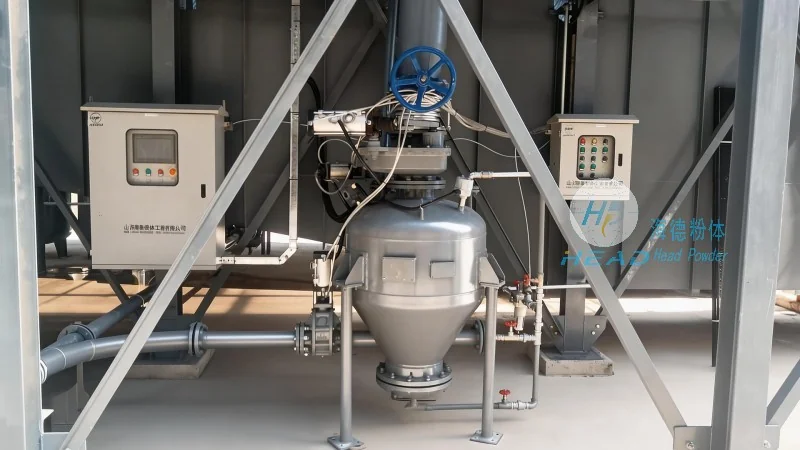
Shandong HeadPowder Engineering Co., Ltd., operating under the brand name HeadPowder, specializes in the design and manufacturing of pneumatic conveying systems tailored to the needs of various industries. With years of experience in handling corrosive and hazardous materials, HeadPowder employs advanced engineering principles and materials science to develop customized solutions for sodium chlorate applications. The company's engineers work closely with clients to understand their specific process requirements, including production capacity, material characteristics, and operational constraints, to design a system that meets both performance and safety standards. HeadPowder utilizes state-of-the-art design software to model and simulate the system, ensuring optimal performance before fabrication and installation. The company's commitment to quality and safety is reflected in its adherence to international standards and rigorous testing protocols for all components. By leveraging its expertise in material handling and process engineering, HeadPowder provides comprehensive solutions that enhance operational efficiency and reduce downtime for clients.
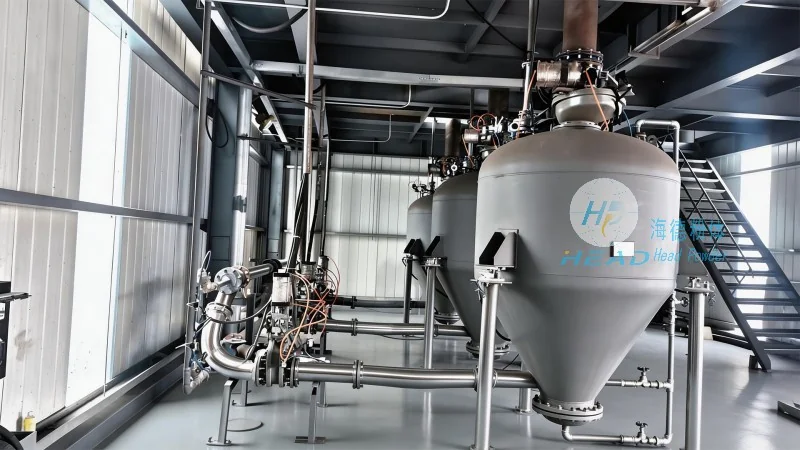
Proper installation of the sodium chlorate pneumatic conveying system is critical to ensure long-term performance and reliability. The system must be installed according to the manufacturer's specifications and industry best practices, with attention to alignment, sealing, and support of components. The hopper and feeder must be securely mounted to prevent vibration or movement that could affect material flow. The conveying line must be properly supported and routed to minimize stress and potential damage. After installation, thorough testing is conducted to verify the system's performance, including air flow rates, pressure drops, and material transport efficiency. Regular maintenance is essential to keep the system operating at optimal levels. This includes cleaning the hopper and feeder to prevent material buildup, inspecting the conveying line for corrosion or wear, and checking the dust collector for proper operation. HeadPowder provides comprehensive maintenance services to ensure that the system remains in good working condition, minimizing the risk of breakdowns and extending the system's lifespan. Proper maintenance also helps maintain product quality and compliance with safety regulations.
An effectively designed sodium chlorate pneumatic conveying system offers several benefits to industrial operations. First, it enhances material handling efficiency by providing a continuous and controlled flow of sodium chlorate, reducing the need for manual handling and associated labor costs. The system minimizes material loss and contamination, ensuring that the product delivered to the next stage of the process meets quality standards. Additionally, the automated nature of the system reduces human error and improves safety by minimizing exposure to the material. The system also contributes to operational cost savings by reducing downtime due to material blockages or system failures. By optimizing the conveying velocity and pressure, the system can operate with lower energy consumption compared to traditional methods, leading to long-term cost savings. Finally, the system's design and construction from corrosion-resistant materials ensure durability and longevity, reducing the need for frequent replacements and repairs. Overall, a well-designed pneumatic conveying system for sodium chlorate is a critical investment for industrial facilities, improving efficiency, safety, and profitability.

 Shandong Headpowder Engineering Co., Ltd.
 156-6277-7102(Manager Zhang)
  0531-83386006
  Zhangqiu District, Jinan City, Shandong Province, China
telephone
WeChatconsult
top