With more than 10‑year industry experience, Shandong Headpowder delivers full‑service pneumatic‑conveying systems and blowers, undertaking nationwide turn‑key powder‑handling projects.
Clay sand pneumatic conveying systems are critical in industrial applications where efficient material handling is essential. The design of such systems involves careful consideration of various factors, including material properties, system capacity, and operational requirements. A well-engineered pneumatic conveying system ensures reliable and cost-effective transport of clay sand, which is widely used in construction, foundry, and other manufacturing processes.
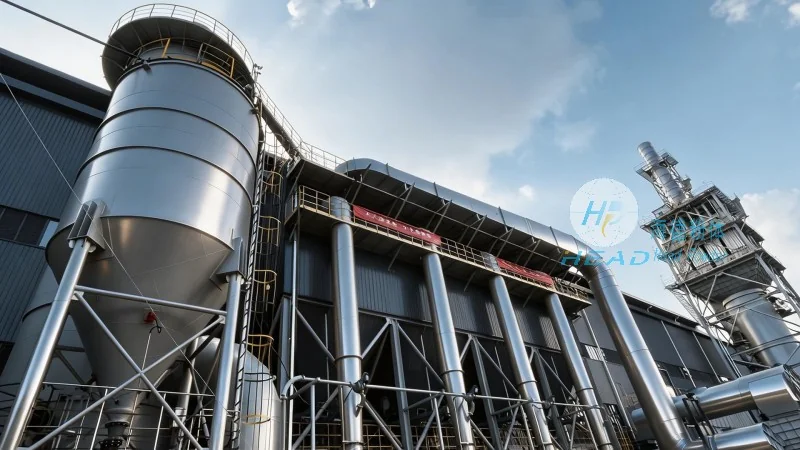
Clay sand, a common raw material in many industrial sectors, requires specialized handling solutions to maintain its quality and prevent degradation during transport. Pneumatic conveying systems offer a dry and dust-free method to move clay sand from one location to another, eliminating the need for water or other media that could affect the material's characteristics. The design of these systems must address challenges such as particle size distribution, moisture content, and the potential for clogging or blockages in the conveying lines.
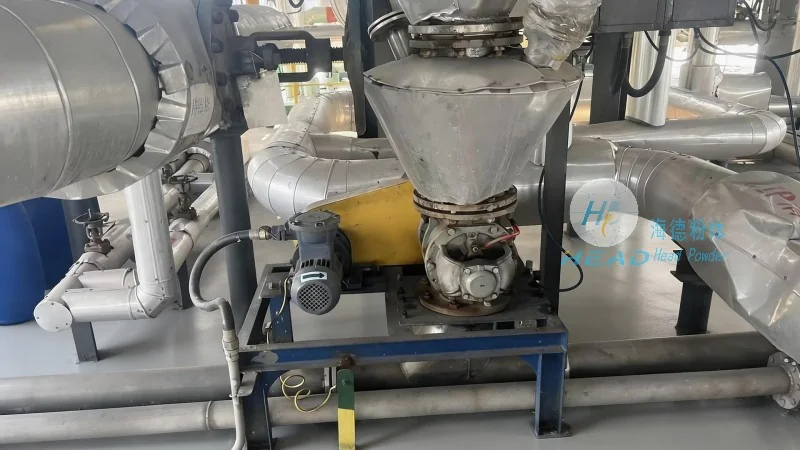
A typical clay sand pneumatic conveying system consists of several key components that work together to ensure smooth operation. These include a material feeder, a blower or air compressor, a conveying line, and a receiver or discharge unit. The material feeder is responsible for accurately feeding the clay sand into the system, while the blower provides the necessary air pressure to move the material through the line. The conveying line, often made of metal or plastic, must be designed to withstand the pressure and temperature conditions of the system. The receiver is where the clay sand is collected and stored for further processing.
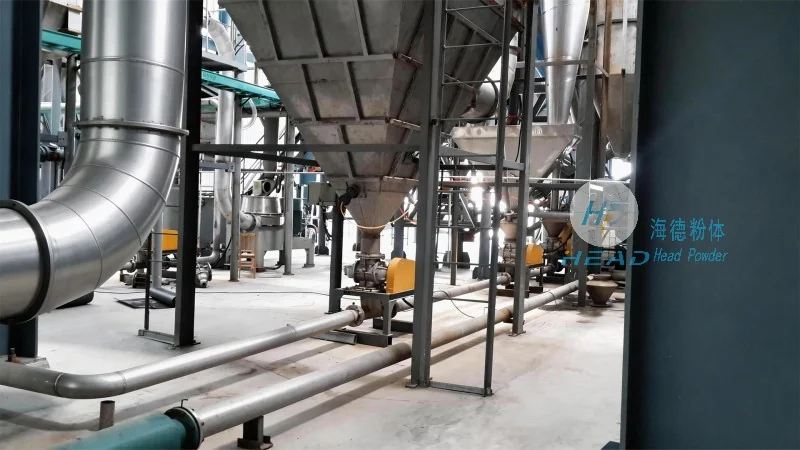
Designing an effective clay sand pneumatic conveying system requires a thorough understanding of the material's properties and the operational environment. Key considerations include the particle size and density of the clay sand, as these factors influence the air velocity and pressure needed for successful transport. The system's capacity must be matched to the production requirements of the facility, ensuring that the conveying rate is sufficient to meet demand without causing bottlenecks. Additionally, the system should be designed with features that minimize maintenance and downtime, such as easy access to components for cleaning and inspection.
Shandong HeadPowder Engineering Co., Ltd., a leading provider of industrial material handling solutions, specializes in the design and implementation of clay sand pneumatic conveying systems. With years of experience in the field, HeadPowder has developed a reputation for delivering high-quality, customized systems that meet the unique needs of each client. The company's team of engineers utilizes advanced design software and methodologies to create systems that are both efficient and durable. By working closely with clients, HeadPowder ensures that the final system is tailored to specific operational requirements, including material characteristics, production volumes, and site constraints.
Implementing a well-designed clay sand pneumatic conveying system offers numerous benefits for industrial operations. One of the primary advantages is the reduction in material handling costs, as the system eliminates the need for manual labor and reduces the risk of material loss or contamination. Additionally, pneumatic conveying systems provide a cleaner and more hygienic environment, which is particularly important in food and pharmaceutical industries where clay sand may be used as an ingredient. The systems also offer improved safety by minimizing the exposure of workers to dust and other airborne particles. Furthermore, the ability to control the conveying rate and pressure allows for precise material delivery, enhancing overall production efficiency.
Clay sand pneumatic conveying systems are widely used in various industries, including foundry, construction, and mining. In the foundry industry, these systems are used to transport clay sand for mold making, ensuring consistent quality and reducing the risk of defects in the final products. In construction, the systems are employed to move clay sand for concrete production, improving the uniformity of the material and enhancing the strength of the final structure. Case studies from HeadPowder's projects have demonstrated significant improvements in operational efficiency and cost savings for clients, highlighting the effectiveness of their design approach.

 Shandong Headpowder Engineering Co., Ltd.
 156-6277-7102(Manager Zhang)
  0531-83386006
  Zhangqiu District, Jinan City, Shandong Province, China
telephone
WeChatconsult
top