With more than 10‑year industry experience, Shandong Headpowder delivers full‑service pneumatic‑conveying systems and blowers, undertaking nationwide turn‑key powder‑handling projects.
HeadPowder, a leading engineering firm based in Shandong, China, specializes in the design, installation, and maintenance of advanced pneumatic conveying systems for various industrial applications. This article provides a comprehensive overview of the classification of zircon sand pneumatic conveying systems and their practical applications in different industrial sectors.
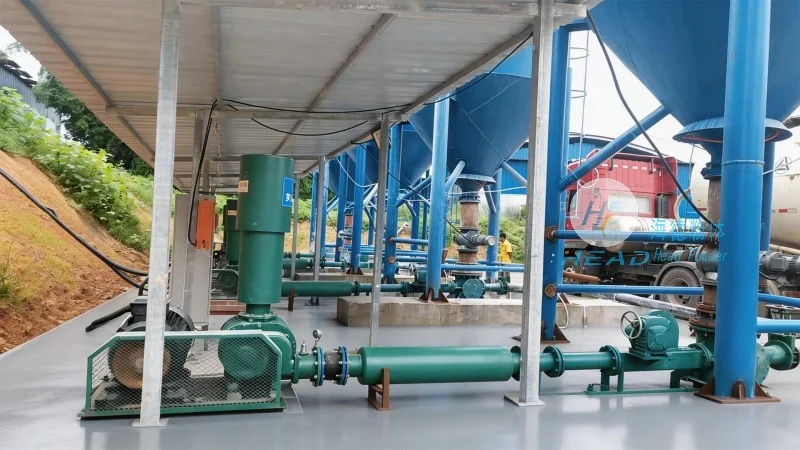
Zircon sand, a high-value mineral used in the production of ceramics, glass, and refractory materials, requires efficient and reliable material handling solutions to ensure optimal processing and minimal loss. Pneumatic conveying systems offer a versatile and effective method for transporting zircon sand from storage silos to processing units, reducing the need for manual handling and improving overall operational efficiency. The classification of these systems is based on the pressure differential between the conveying line and the ambient environment, which determines the system's design, performance, and suitability for specific applications.
There are two primary categories of pneumatic conveying systems used for zircon sand: positive pressure systems and negative pressure systems. Each type has distinct characteristics, advantages, and limitations that influence their selection for different industrial processes.
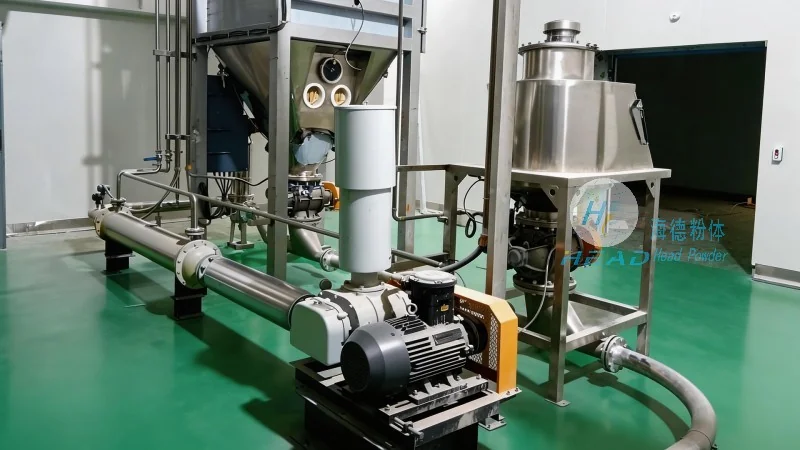
Positive pressure systems operate by blowing air or a gas mixture into the conveying line, creating a pressure higher than the ambient air pressure. This method is commonly used for short to medium-distance transport of zircon sand, typically up to 100 meters. The system consists of a blower, a hopper, a rotary valve, and a pipeline network. The blower generates the necessary pressure to move the material, while the rotary valve controls the flow of zircon sand into the pipeline. Positive pressure systems are known for their high conveying capacity, ability to handle abrasive materials like zircon sand, and suitability for applications requiring high material throughput. However, they may require more maintenance due to the higher pressure and the presence of abrasive particles in the system.
Negative pressure systems, also known as vacuum or suction systems, operate by creating a vacuum in the conveying line, which draws the zircon sand from the source into the pipeline. This method is ideal for long-distance transport, typically up to 200 meters or more, and is often used in applications where the material needs to be transported from multiple points or over obstacles. The system includes a vacuum pump, a hopper, a rotary valve, and a pipeline network. The vacuum pump creates the negative pressure, and the rotary valve controls the material flow. Negative pressure systems are advantageous for their ability to handle fine powders and reduce dust emissions, as the material is drawn into the system rather than being blown out. However, they may have lower conveying capacities compared to positive pressure systems and require careful design to prevent air leakage and maintain system efficiency.
Beyond the pressure differential, zircon sand pneumatic conveying systems can also be classified based on the type of conveying medium, such as air, nitrogen, or other gases. The choice of conveying medium depends on the material's properties, the required conveying distance, and the environmental considerations. For example, nitrogen is used in some applications to prevent oxidation of the zircon sand, which is critical for maintaining its quality in high-value applications like glass manufacturing. Additionally, the system design may vary based on the specific characteristics of the zircon sand, such as particle size, moisture content, and abrasiveness. These factors influence the selection of components like the blower, rotary valve, and pipeline material to ensure optimal performance and longevity.
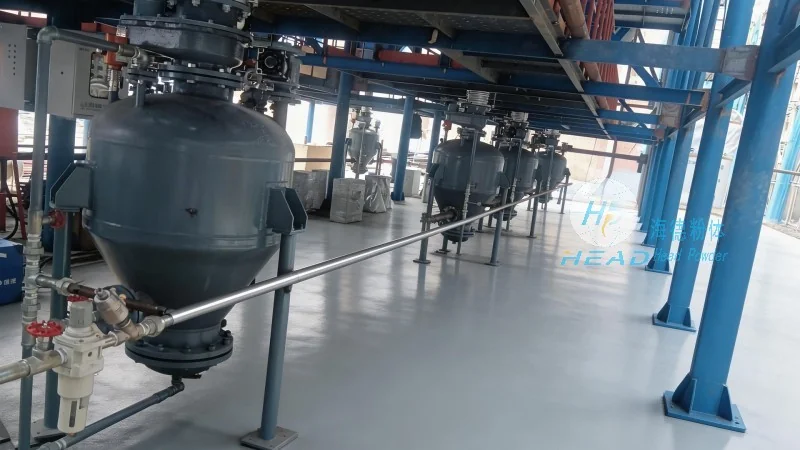
The application of zircon sand pneumatic conveying systems varies across different industrial sectors, each with unique requirements for material handling and processing. Understanding the specific needs of each industry helps in selecting the most appropriate system for efficient operation.
In the ceramic and glass industries, zircon sand is a key raw material used to enhance the mechanical strength, thermal stability, and optical properties of the final products. The pneumatic conveying system must be capable of transporting zircon sand with high precision and minimal contamination to ensure the quality of the end products. Positive pressure systems are commonly used in these applications due to their high conveying capacity and ability to handle abrasive materials. The system design often includes a hopper with a rotary valve to control the flow of zircon sand, followed by a pipeline that leads to the mixing or melting units. The positive pressure ensures that the material is transported efficiently without clogging or degradation. Additionally, the system may be equipped with filters and cyclones to separate any fines or dust, maintaining the purity of the zircon sand for the production process.
Refractory materials, which are used in high-temperature applications such as furnace linings and kilns, require high-quality zircon sand to improve their durability and resistance to thermal shock. The pneumatic conveying system for refractory applications must be robust and able to handle the abrasive nature of the zircon sand. Negative pressure systems are sometimes preferred in this sector due to their ability to reduce dust emissions and maintain a clean working environment. The system design includes a hopper with a rotary valve and a vacuum pump to draw the zircon sand from storage to the mixing or processing units. The negative pressure helps in minimizing the release of dust, which is crucial for maintaining the health and safety of the workers and the quality of the refractory products. The system may also include a dust collection system to capture any airborne particles and prevent environmental contamination.
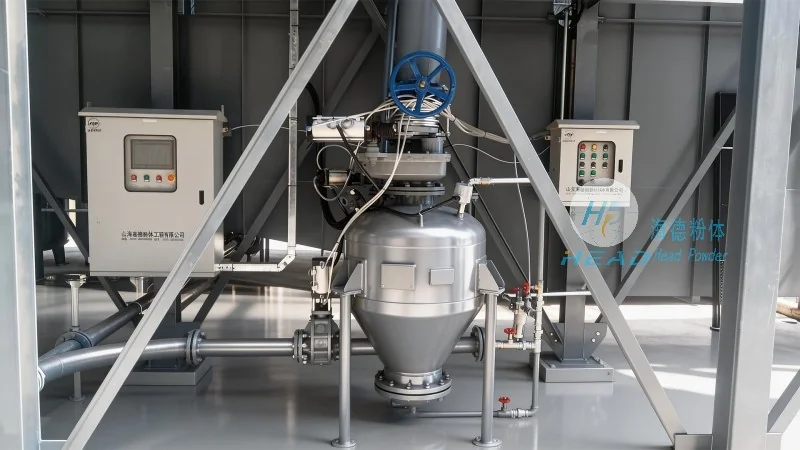
In the chemical and pharmaceutical industries, zircon sand is used as a filler or a component in the production of various products, such as coatings, pigments, and specialty chemicals. The pneumatic conveying system must meet stringent quality and safety standards, as the material may come into contact with other chemicals or be used in sensitive applications. Positive pressure systems are often used in these industries due to their ability to handle fine powders and maintain a controlled environment. The system design includes a hopper with a rotary valve and a blower to transport the zircon sand to the processing units. The positive pressure ensures that the material is conveyed without clogging and that the system remains sealed to prevent contamination. Additionally, the system may be equipped with filters and monitoring devices to ensure the purity of the zircon sand and the safety of the workers. The classification of the system may also consider the need for explosion-proof components, as some chemical processes involve flammable materials.
HeadPowder Engineering Co., Ltd., with its headquarters in Shandong, China, provides comprehensive solutions for zircon sand pneumatic conveying systems, catering to the diverse needs of various industrial sectors. The classification of these systems, based on pressure differential and other factors, allows for the selection of the most suitable design for specific applications. Positive pressure systems are ideal for high-capacity and short-distance transport, while negative pressure systems are better suited for long-distance and fine powder handling. The choice of conveying medium and system components depends on the material properties and operational requirements. By understanding the classification and application analysis of zircon sand pneumatic conveying systems, industrial operators can optimize their material handling processes, improve efficiency, and ensure the quality of their final products. HeadPowder continues to innovate and provide reliable solutions to meet the evolving needs of the industry.

 Shandong Headpowder Engineering Co., Ltd.
 156-6277-7102(Manager Zhang)
  0531-83386006
  Zhangqiu District, Jinan City, Shandong Province, China
telephone
WeChatconsult
top