With more than 10‑year industry experience, Shandong Headpowder delivers full‑service pneumatic‑conveying systems and blowers, undertaking nationwide turn‑key powder‑handling projects.
Bone powder, as a critical byproduct in the animal processing sector, demands efficient and reliable transport solutions to maintain smooth production workflows and product integrity. Pneumatic conveying systems have become a preferred method for handling bone powder due to their ability to manage fine, abrasive, and potentially dusty materials with minimal contamination and energy efficiency. This article provides a comprehensive classification of bone powder pneumatic conveying systems and analyzes their practical applications, highlighting technical considerations and operational advantages for diverse industrial settings.
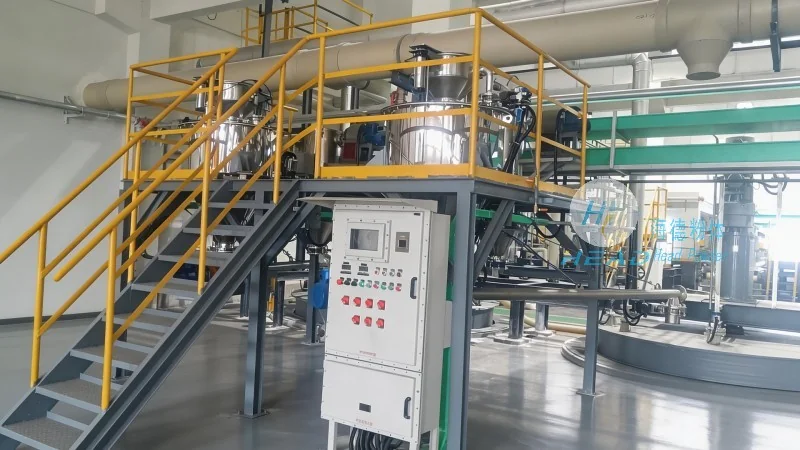
There are primarily two main categories of pneumatic conveying systems used for bone powder transport: positive pressure systems and negative pressure systems. Each type has distinct characteristics and is suited to different operational requirements.
Positive pressure systems operate by blowing air or gas into the conveying line, creating a pressure higher than ambient air pressure. This method is commonly used for short to medium-distance transport and is particularly effective for handling dry, non-abrasive materials like bone powder. The system typically includes a blower, a hopper for material storage, a feeder to control flow rate, and a pipeline network. The positive pressure ensures continuous material push through the system, reducing blockage risk and maintaining consistent flow rates. For bone powder applications, positive pressure systems are often preferred when material needs to be conveyed from a central processing area to multiple processing units or storage silos. The high-pressure air also helps prevent dust accumulation and maintains a clean environment within the conveying line.
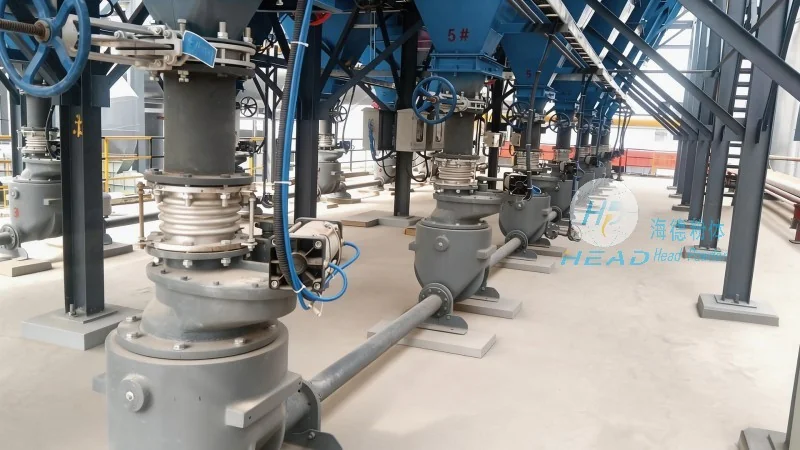
Negative pressure systems, also known as vacuum systems, operate by creating a vacuum in the conveying line, drawing material from the source into the system. This method is ideal for long-distance transport and for handling materials more prone to dust generation or requiring a cleaner environment at the source. The system includes a vacuum pump, a collection hopper, a feeder, and a pipeline network. The vacuum pulls bone powder from the source, such as a grinding or crushing unit, into the conveying line. Negative pressure systems are particularly useful when bone powder needs to be transported from multiple points of origin to a central processing facility, as they can effectively capture and transport material from various locations without the need for multiple positive pressure blowers.
Beyond basic positive and negative pressure systems, specialized configurations address specific challenges in bone powder handling. These include dense phase conveying systems, which operate at lower velocity and higher pressure to minimize material degradation and reduce pipeline wear. Dense phase systems are beneficial for transporting bone powder prone to attrition or for applications where product quality is critical, such as in animal feed or pharmaceutical ingredient production. Another specialized system is the hybrid or mixed flow system, combining elements of both positive and negative pressure to optimize performance for complex transport routes. This system is often used in large-scale processing facilities where bone powder is conveyed over long distances with multiple turns and elevation changes.
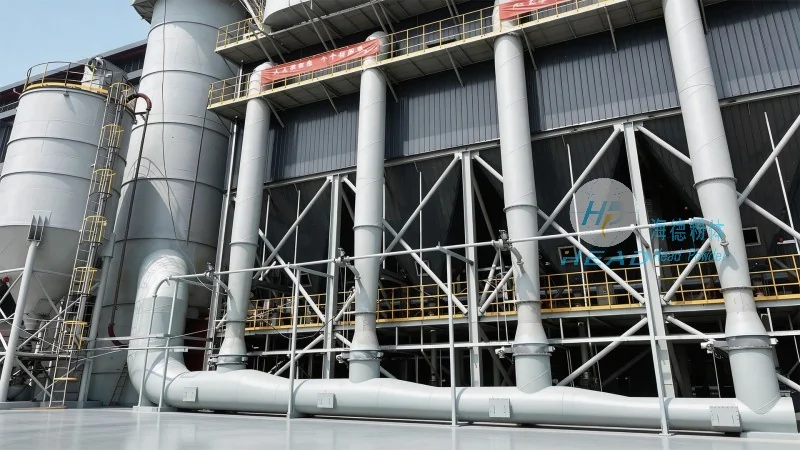
The choice of pneumatic conveying system for bone powder depends on factors like transport distance, material volume, required flow rate, and bone powder characteristics. Positive pressure systems are generally suitable for short to medium distances (typically up to 100 meters) and for applications with dry, non-abrasive material. They are common in small to medium-sized animal processing plants where bone powder is processed and transported within the facility. Negative pressure systems are ideal for longer distances (up to several hundred meters) and for handling dusty or cleaner-source materials, often used in large-scale facilities where bone powder is transported from multiple grinding stations to a central processing unit.
Both positive and negative pressure pneumatic conveying systems offer significant advantages over traditional mechanical methods for bone powder. These include reduced labor costs from automated handling, lower contamination risk from external sources, and improved energy efficiency compared to belt or bucket elevators. However, considerations include regular maintenance of blowers and pipelines to prevent wear from abrasive bone powder in positive pressure systems, and efficient dust collection/filtration systems in negative pressure systems to comply with environmental regulations. System design must also account for potential material buildup and blockages, especially in dense phase systems, requiring anti-clogging devices or cleaning mechanisms.
In the animal feed industry, bone powder is a valuable calcium/phosphorus supplement. Pneumatic conveying systems transport it from storage silos to feed mixing facilities. A positive pressure system is typically used for short distances (50-80 meters) and dry, non-abrasive material. It ensures consistent flow rate to the mixing unit, maintaining feed product quality. This system improves production efficiency, reduces labor costs, and enhances product uniformity compared to manual handling.
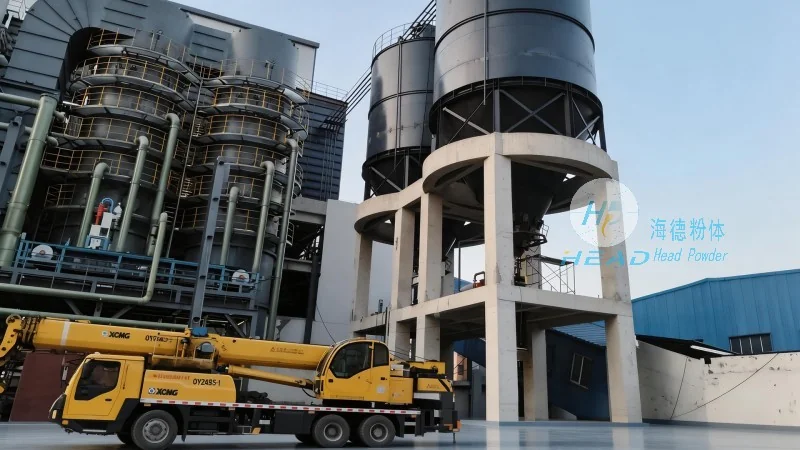
In pharmaceuticals, bone powder is used for calcium supplements, requiring stringent quality and hygiene standards. A negative pressure system is preferred for cleaner source handling and reduced cross-contamination. The system uses stainless steel components and advanced filtration to maintain sterility. Dense phase conveying minimizes material degradation, meeting high purity standards. This implementation increases production capacity while enforcing strict quality control.
Pneumatic conveying systems are crucial for efficient bone powder handling in industries like animal feed and pharmaceuticals. Classification (positive/negative pressure, specialized systems) allows selection based on operational needs. Advantages include reduced contamination, energy efficiency, and automated handling, making them preferable to traditional methods. As demand for bone powder grows, continued system optimization is essential. Companies like Shandong HeadPowder Engineering Co., Ltd., based in China, provide customized solutions tailored to bone powder challenges, ensuring industrial processes remain efficient, cost-effective, and environmentally compliant.

 Shandong Headpowder Engineering Co., Ltd.
 156-6277-7102(Manager Zhang)
  0531-83386006
  Zhangqiu District, Jinan City, Shandong Province, China
telephone
WeChatconsult
top