

Principle and Working Scene Characteristics of Resin Particle Pneumatic Conveying
Resin particle pneumatic conveying is a sophisticated method used in material handling and processing industries to transport resin particles through a pipeline using air or gas as the conveying medium. This technology offers an efficient, dust-free, and flexible solution for moving resin materials from one location to another, making it a preferred choice in various industrial applications.

Understanding the Core Principle of Resin Particle Pneumatic Conveying
The fundamental principle of resin particle pneumatic conveying involves creating a pressure differential within a closed pipeline system. By injecting air or gas into the pipeline, the conveying medium generates sufficient velocity to lift and transport the resin particles. This process can be categorized into two main types: dilute phase and dense phase conveying, each tailored to different particle sizes, flow rates, and system requirements. The dilute phase method typically uses higher air velocities to move particles in a dispersed state, while the dense phase approach employs lower velocities to transport particles in a more concentrated stream, often with the assistance of pressure pulses or vacuum systems.
Key Components and System Design for Resin Particle Conveying
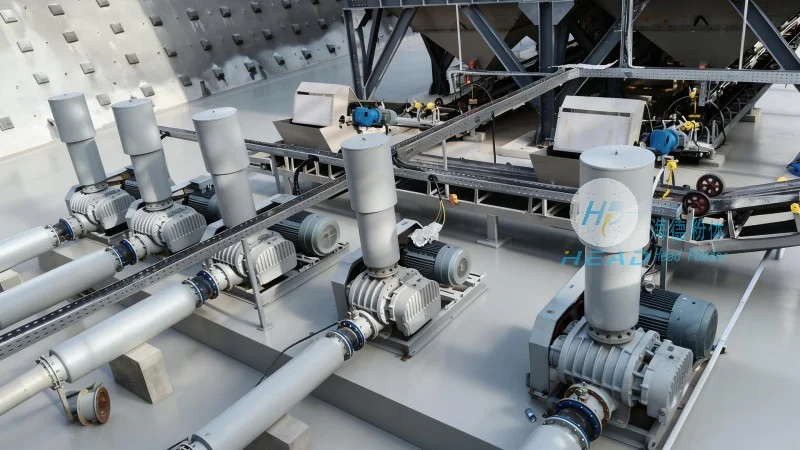
The effectiveness of a resin particle pneumatic conveying system relies on several critical components working in harmony. These include the hopper or feed hopper, which holds the resin particles and provides a controlled feed into the pipeline; the air compressor or blower, which generates the necessary air pressure or vacuum; the pipeline network, which transports the particles; and the receiver or discharge hopper, where the resin is collected. Additionally, accessories such as filters, cyclones, and rotary valves are often integrated to ensure efficient material handling and prevent system blockages. The design of the system must consider factors like particle size distribution, moisture content, and specific gravity of the resin, as these properties directly impact the conveying efficiency and system performance.
Working Scene Characteristics and Industrial Applications
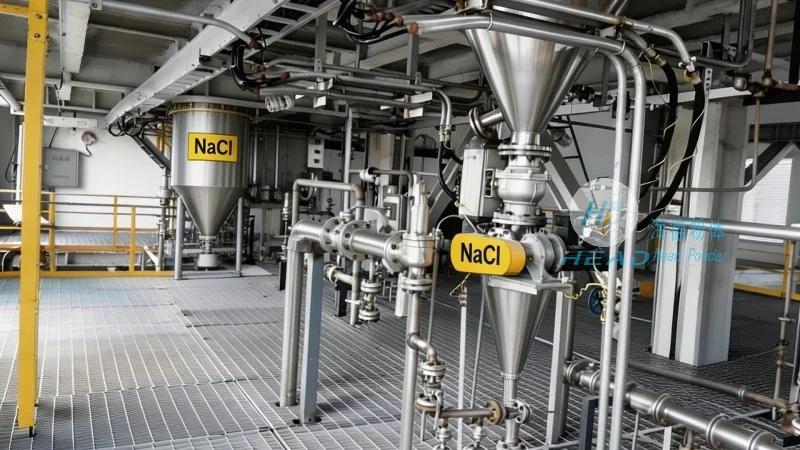
Resin particle pneumatic conveying is widely applied in diverse industrial settings, each with unique characteristics that highlight the technology's adaptability. In the plastics manufacturing industry, for example, this method is used to transport resin pellets from storage silos to extrusion lines, ensuring a continuous and clean supply of material. The automotive sector also benefits from this technology, as it enables the efficient handling of resin powders used in composite parts production. Furthermore, in the chemical and pharmaceutical industries, where dust control and material purity are paramount, pneumatic conveying provides a hygienic and low-dust solution for moving resin-based products. The working scene characteristics include the ability to handle abrasive or sensitive resin particles without degradation, the flexibility to integrate with existing production lines, and the capacity to operate in both batch and continuous modes. These attributes make resin particle pneumatic conveying a versatile solution for modern industrial processes.
Advantages and Considerations in Resin Particle Pneumatic Conveying
Compared to traditional mechanical conveying methods, resin particle pneumatic conveying offers several advantages. It eliminates the need for moving parts in the conveying line, reducing maintenance costs and minimizing the risk of material contamination. The system is also highly flexible, allowing for changes in flow rate or direction without significant modifications. However, there are considerations to keep in mind, such as the energy consumption associated with air compression, which can impact operational costs. Additionally, the design of the system must account for the potential for particle segregation or degradation if the conveying velocity is too high or the system is not properly maintained. Proper system sizing and regular maintenance are crucial to ensure optimal performance and longevity of the equipment.
About Shandong HeadPowder Engineering Co., Ltd.
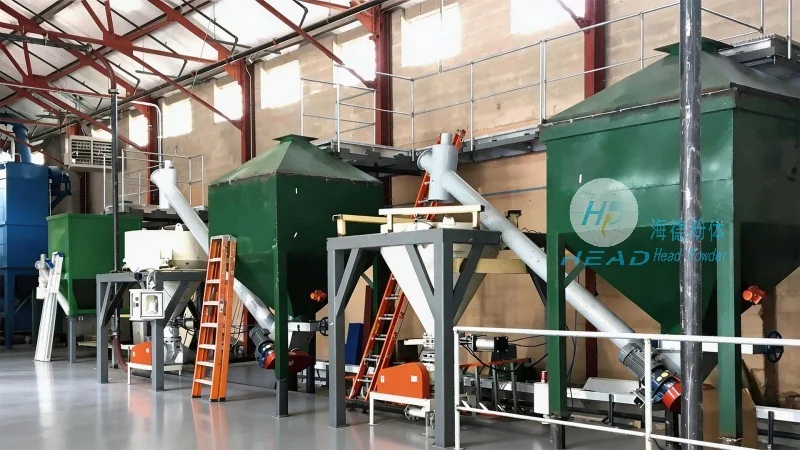
Shandong HeadPowder Engineering Co., Ltd., commonly known as headpowder, is a leading provider of material handling solutions specializing in pneumatic conveying systems. With a focus on innovation and customer satisfaction, the company designs and manufactures customized resin particle pneumatic conveying systems tailored to the specific needs of its clients. HeadPowder's expertise lies in understanding the unique challenges of resin particle handling and developing efficient, reliable solutions that enhance production efficiency and reduce operational costs. The company's facilities are located in Shandong, China, where it leverages advanced technology and a skilled workforce to deliver high-quality products and services to industries worldwide.