With more than 10‑year industry experience, Shandong Headpowder delivers full‑service pneumatic‑conveying systems and blowers, undertaking nationwide turn‑key powder‑handling projects.
Straw ash, a byproduct of biomass combustion processes, presents unique technical characteristics that influence its handling and processing. Understanding these parameters is crucial for the design and operation of efficient conveying systems. This document outlines the key technical parameters of straw ash and details the process of its conveying system, supported by Shandong HeadPowder Engineering Co., Ltd., a leading provider in this field.
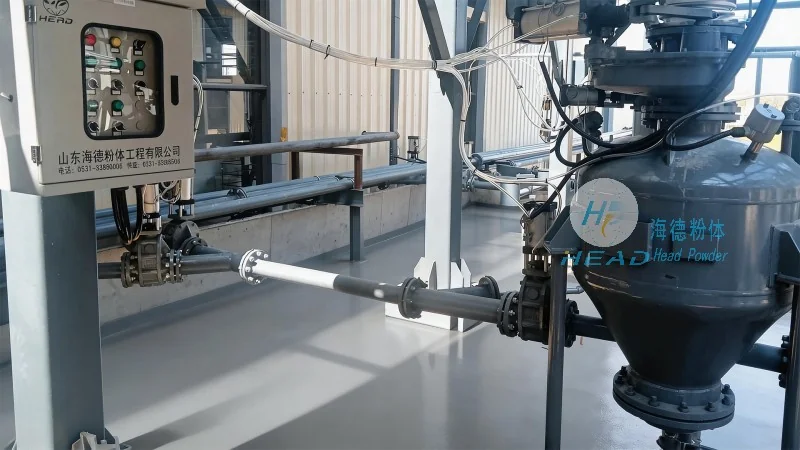
Shandong HeadPowder Engineering Co., Ltd., operating under the brand name headpowder, specializes in engineering solutions for biomass processing and ash management. With a base in Shandong, China, the company leverages advanced technology and industry expertise to deliver high-quality equipment and systems tailored to the specific needs of straw ash handling. The company's commitment to innovation and customer satisfaction ensures reliable performance in complex processing environments.
Straw ash, derived from the combustion of agricultural residues such as straw, exhibits distinct physical and chemical properties that affect its handling. Typical technical parameters include particle size distribution, moisture content, bulk density, and chemical composition. Particle size often ranges from fine powders to coarse granules, with variations depending on the combustion conditions. Moisture content is typically low, usually below 5%, which contributes to its dry handling characteristics. Bulk density varies between 0.5 to 1.2 kg/L, influencing storage and transport efficiency. Chemical composition may include alkaline components like calcium and potassium, which can affect equipment corrosion and environmental impact considerations. These parameters are critical for selecting appropriate conveying equipment and ensuring system reliability.
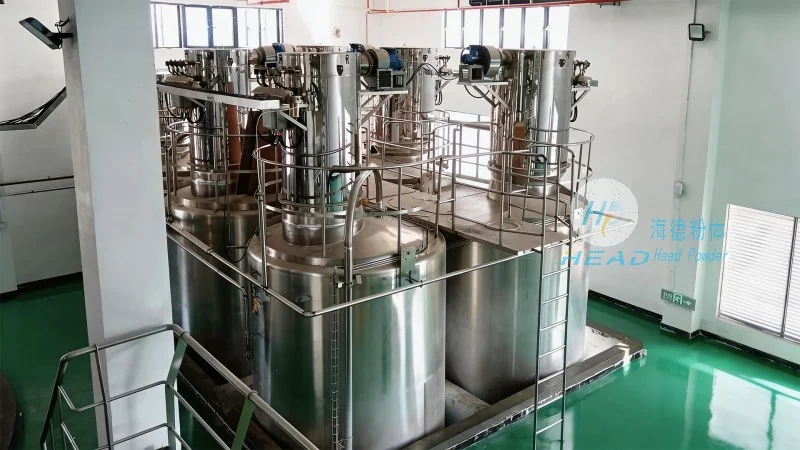
The conveying system for straw ash involves a series of components designed to transport the material from the combustion source to storage or processing facilities. The process typically begins with ash collection from the combustion chamber, followed by transfer to a hopper or silo. From there, the material is fed into a conveying mechanism, which may include pneumatic or mechanical systems. Pneumatic conveying systems utilize air pressure to move the ash through pipelines, while mechanical systems employ screw conveyors, belt conveyors, or bucket elevators. The choice of system depends on factors such as material characteristics, distance, and operational requirements. Each component, from feeders to pipelines, is engineered to handle the specific properties of straw ash, ensuring minimal degradation and efficient transport. The system also incorporates controls for flow regulation, pressure monitoring, and safety features to prevent blockages and ensure smooth operation.
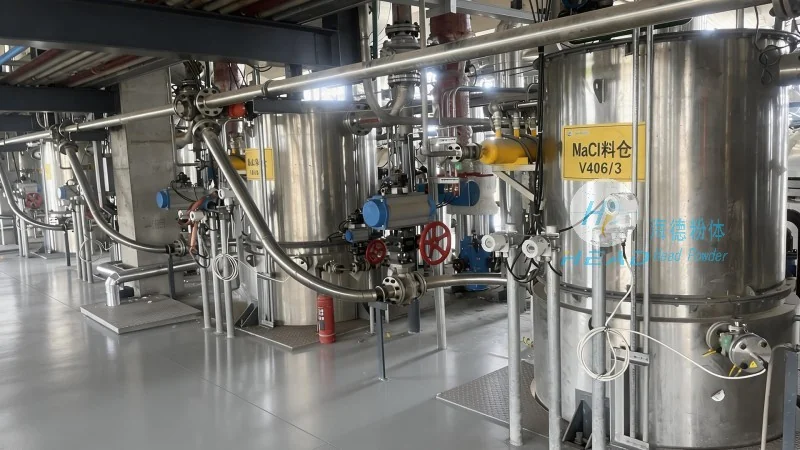
The conveying system comprises several key components, each playing a vital role in the overall process. The ash feeder, often a rotary valve or screw feeder, regulates the flow of material from the storage hopper to the conveying line. This component ensures consistent feed rates, preventing overloading or underloading of the system. The conveying line itself, made of materials resistant to ash corrosion (such as stainless steel or special alloys), transports the ash through the system. For pneumatic systems, the pipeline is equipped with pressure regulators and filters to maintain optimal air pressure and remove contaminants. Mechanical systems may include drive units, such as electric motors or gearboxes, that power the conveyor mechanism. Additionally, the system includes monitoring equipment, such as pressure sensors and flow meters, to track performance and detect anomalies. These components work in tandem to ensure the efficient and safe transport of straw ash, minimizing downtime and operational costs.
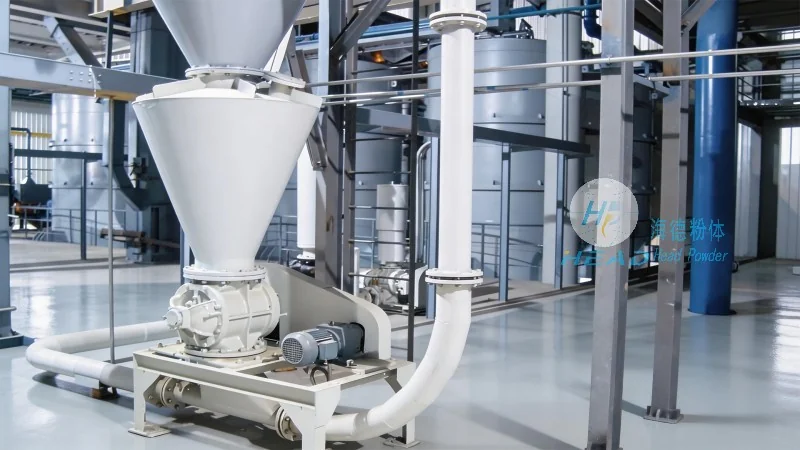
Efficiency in straw ash conveying is measured by several key performance indicators, including throughput capacity, system reliability, and energy consumption. Throughput capacity refers to the amount of ash that can be transported per unit time, typically expressed in tons per hour. This parameter is influenced by the system design, material properties, and operational conditions. System reliability is assessed by the frequency of maintenance and downtime, with high-performance systems achieving minimal interruptions. Energy consumption is another critical metric, as it impacts operational costs. Modern conveying systems, such as those offered by headpowder, incorporate energy-efficient designs, such as variable frequency drives, to optimize power usage. By focusing on these metrics, the conveying system ensures optimal performance while maintaining cost-effectiveness and environmental compliance.
The efficient handling of straw ash through advanced conveying systems has significant implications for biomass energy projects and waste management. By ensuring that ash is properly collected and transported, these systems contribute to the overall sustainability of biomass combustion processes. The technology supports the circular economy by reducing the environmental impact of agricultural residues and promoting their utilization as a renewable energy source. Additionally, the reliable operation of conveying systems enhances the productivity of biomass power plants, allowing for consistent energy generation. The expertise of companies like Shandong HeadPowder Engineering Co., Ltd. in designing and implementing these systems ensures that clients receive solutions tailored to their specific operational needs, driving industry advancement and innovation.

 Shandong Headpowder Engineering Co., Ltd.
 156-6277-7102(Manager Zhang)
  0531-83386006
  Zhangqiu District, Jinan City, Shandong Province, China
telephone
WeChatconsult
top