With more than 10‑year industry experience, Shandong Headpowder delivers full‑service pneumatic‑conveying systems and blowers, undertaking nationwide turn‑key powder‑handling projects.
Shandong HeadPowder Engineering Co., Ltd., commonly known as headpowder, is a professional enterprise dedicated to the research, development, and application of red mud processing technologies. With its headquarters located in Shandong, China, the company specializes in providing comprehensive solutions for red mud treatment and handling, including advanced technical parameters and efficient conveying systems. This article delves into the key technical parameters of red mud and the detailed process of its conveying system, offering insights into the engineering solutions offered by headpowder.
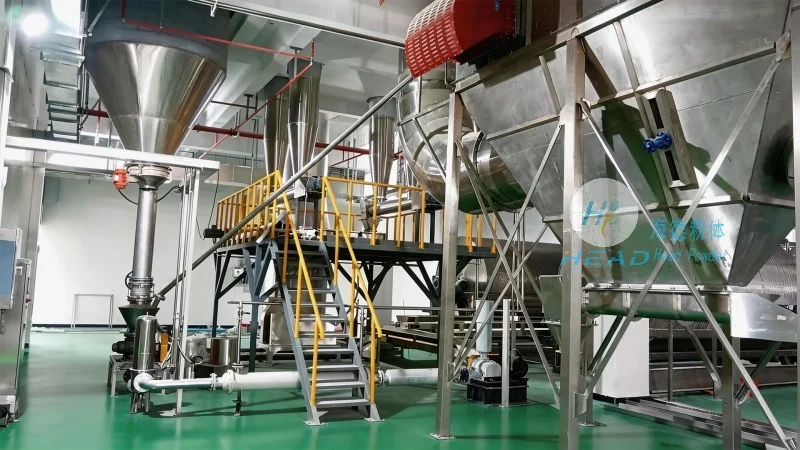
Red mud, a byproduct of the bauxite refining process used to produce aluminum, presents unique challenges in handling due to its high solid content, abrasive nature, and variable physical properties. Understanding the technical parameters of red mud is crucial for designing effective processing and conveying systems. The primary technical parameters that influence red mud handling include:
1. **Density and Specific Gravity**: Red mud typically has a bulk density ranging from 1.1 to 1.6 g/cm³, with a specific gravity around 2.8 to 3.0. These values affect the flowability and pumping requirements of the material.
2. **Viscosity and Rheology**: The viscosity of red mud varies significantly with moisture content and temperature. At typical processing conditions, red mud exhibits non-Newtonian behavior, meaning its flow characteristics change under different shear rates. This makes it essential to consider rheological properties when selecting pumps and pipelines.
3. **Particle Size Distribution**: The particle size distribution of red mud ranges from fine particles (less than 10 µm) to coarser particles (up to several millimeters). The proportion of fine particles influences the slurry's stability and the risk of pipeline clogging.
4. **pH and Chemical Composition**: Red mud is alkaline, with a pH typically between 10 and 13. It contains high concentrations of oxides such as iron, aluminum, and silicon, which can affect the corrosion behavior of equipment and the stability of the slurry.
The conveying system for red mud is designed to transport the material from the processing plant to disposal or further treatment facilities. A typical system involves several key components and operational steps, ensuring efficient and reliable transport while minimizing environmental impact. The process generally includes the following stages:
1. **Slurry Preparation**: The red mud is first mixed with water to form a slurry with an appropriate solid concentration (usually 30-50% by weight). This step is critical for achieving the desired flow properties and reducing the risk of blockages in the conveying system.
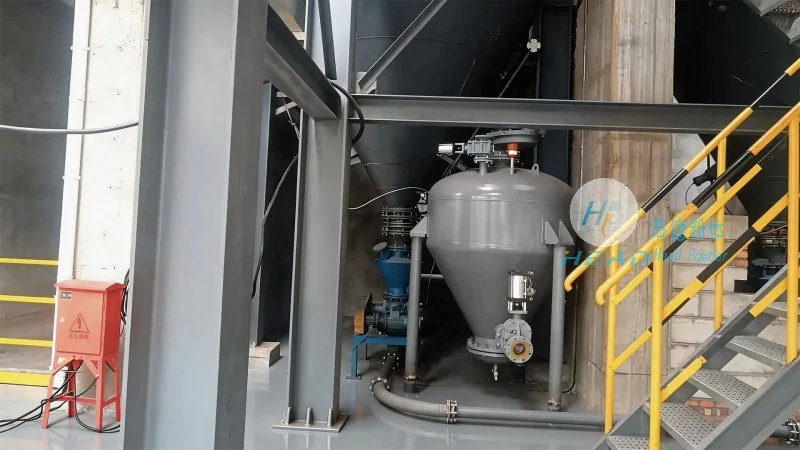
2. **Pumping and Transport**: High-pressure pumps, such as centrifugal or positive displacement pumps, are used to transport the slurry through pipelines. The choice of pump depends on the slurry's rheology and the system's pressure requirements. Pipelines are often made of corrosion-resistant materials like stainless steel or lined with protective coatings to withstand the abrasive and alkaline nature of red mud.
3. **Pipe Routing and Layout**: The pipeline layout is carefully planned to minimize vertical and horizontal changes, as sudden changes in direction can cause turbulence and erosion. Horizontal pipelines are typically inclined at a slight angle (e.g., 1-2%) to facilitate gravity-assisted flow, while vertical lifts require booster pumps to maintain pressure.
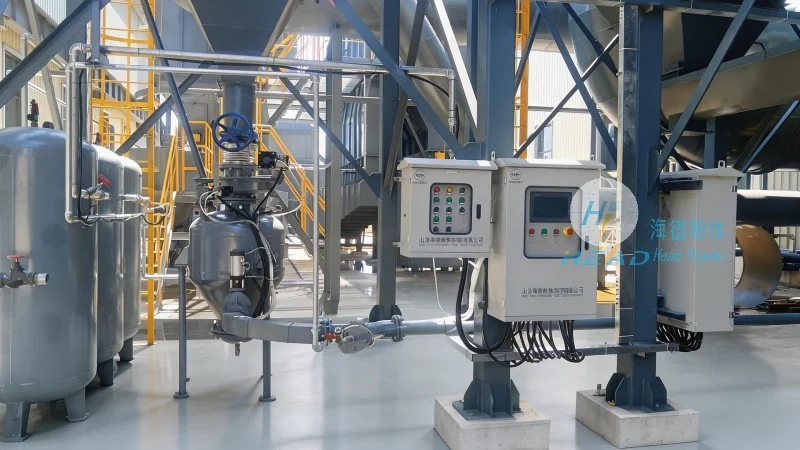
4. **Control and Monitoring**: Advanced control systems are employed to monitor the slurry flow rate, pressure, and temperature in real-time. Sensors and valves are used to regulate the system, ensuring stable operation and preventing overloading or underflow conditions. This monitoring is essential for maintaining the efficiency and longevity of the conveying system.
headpowder provides tailored engineering solutions for red mud conveying systems, incorporating the latest technologies and materials to address the unique challenges of red mud handling. The company's expertise lies in designing systems that meet the specific technical parameters of each project, ensuring optimal performance and minimal maintenance. By integrating advanced materials, efficient pump designs, and intelligent control systems, headpowder delivers reliable and cost-effective solutions for red mud transport.
For clients in need of red mud processing and conveying solutions, headpowder offers comprehensive services, including feasibility studies, system design, equipment supply, and commissioning. With its headquarters in Shandong, China, the company leverages local resources and expertise to provide high-quality engineering services while adhering to international standards. Whether for new plant installations or retrofitting existing systems, headpowder's solutions are designed to enhance operational efficiency and environmental sustainability in red mud management.

 Shandong Headpowder Engineering Co., Ltd.
 156-6277-7102(Manager Zhang)
  0531-83386006
  Zhangqiu District, Jinan City, Shandong Province, China
telephone
WeChatconsult
top