With more than 10‑year industry experience, Shandong Headpowder delivers full‑service pneumatic‑conveying systems and blowers, undertaking nationwide turn‑key powder‑handling projects.
HeadPowder, a leading provider in the field of powder handling and material transport solutions, specializes in advanced pneumatic conveying systems tailored for industries such as mining, chemicals, and food processing. This article provides a detailed comparison between positive pressure and negative pressure conveying methods, focusing on their applications in the transportation of talc powder—a widely used industrial mineral. The analysis is based on the expertise and practical experience of Shandong HeadPowder Engineering Co., Ltd., a company headquartered in Shandong, China, dedicated to delivering efficient and reliable material handling solutions.
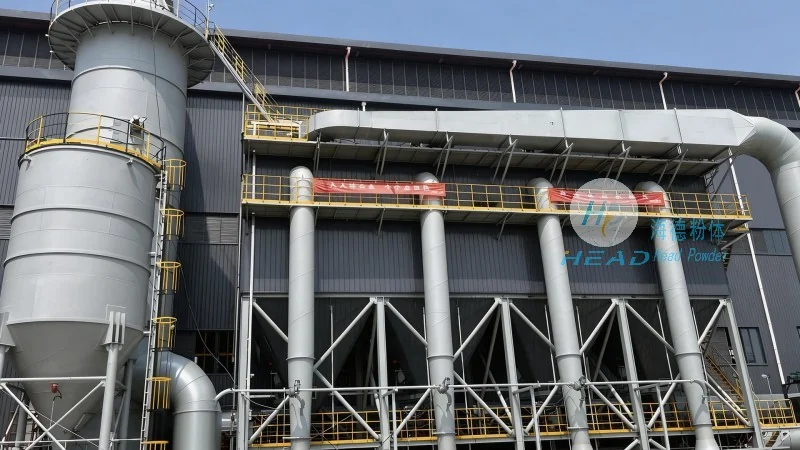
Pneumatic conveying is a critical technology in modern industrial operations, enabling the transport of bulk materials like talc powder through the use of air or gas as the conveying medium. This method offers significant advantages over traditional mechanical conveying systems, including reduced equipment wear, lower maintenance costs, and improved safety in handling potentially hazardous materials. Two primary modes of pneumatic conveying are widely used: positive pressure and negative pressure systems. Each has distinct characteristics, operational principles, and suitability for different material properties and application requirements.
Positive pressure conveying, also known as pressure conveying, operates by blowing air or gas into a closed system to move the material. In this method, the conveying line is under positive pressure, and the material is drawn into the system by the moving air stream. For talc powder, positive pressure systems are particularly effective when dealing with materials that are prone to dust generation or require high conveying distances. The high-pressure air ensures that the powder is fully suspended and transported efficiently, minimizing the risk of blockages or material degradation. HeadPowder’s positive pressure conveying solutions are designed to handle talc powder with high flow rates and consistent performance, making them ideal for large-scale production environments. The system typically includes a blower, a hopper, and a pipeline network, all working in tandem to ensure smooth material transport. The positive pressure approach also allows for the integration of multiple conveying lines, enabling the simultaneous transport of different materials or the distribution of talc powder to various processing units.
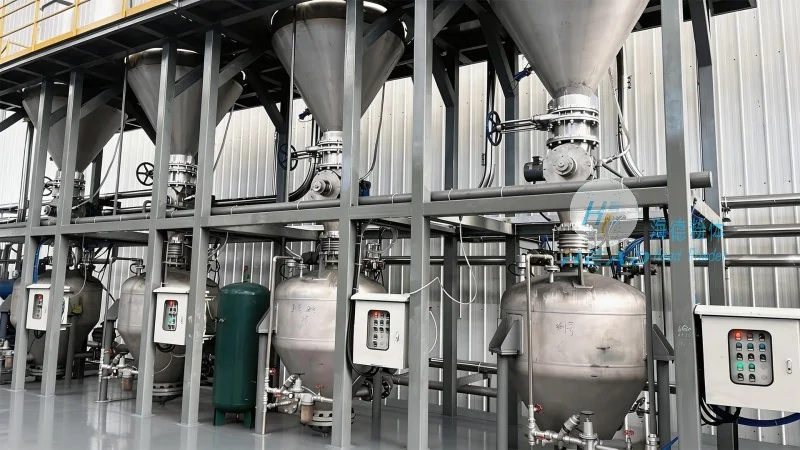
Negative pressure conveying, or vacuum conveying, operates by creating a vacuum in the system to draw the material into the conveying line. This method is often preferred for materials that are sensitive to air exposure or require gentle handling to prevent particle breakdown. For talc powder, negative pressure systems are suitable when the material needs to be transported over shorter distances or when the process involves handling fine powders that are susceptible to agglomeration. The vacuum created by the system ensures that the powder is drawn into the pipeline without the need for high-pressure air, reducing energy consumption and operational costs. Shandong HeadPowder Engineering Co., Ltd. offers negative pressure conveying systems that are optimized for talc powder, featuring advanced filtration and dust control mechanisms to maintain material purity and system cleanliness. These systems are particularly useful in applications where the material must be handled in a closed environment to prevent contamination or environmental issues.
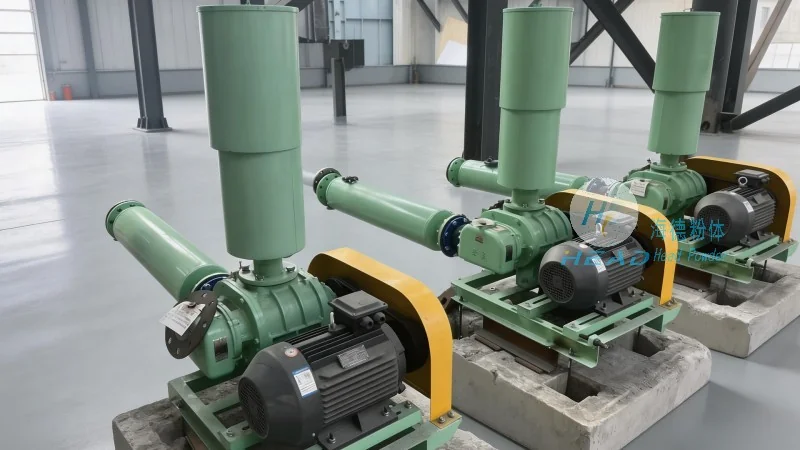
When selecting between positive and negative pressure conveying for talc powder, several factors must be considered to ensure optimal performance and efficiency. The choice is primarily influenced by the material properties, conveying distance, system complexity, and operational requirements. Positive pressure systems generally offer higher conveying capacities and are more suitable for long-distance transport, while negative pressure systems are better suited for shorter distances and more delicate materials. From an energy perspective, negative pressure systems typically consume less power, making them more cost-effective for low-volume or short-distance applications. However, positive pressure systems may require more robust equipment and higher maintenance, as they operate under higher pressures. In terms of material handling, positive pressure systems can handle a wider range of particle sizes and flow rates, whereas negative pressure systems are more effective for fine powders that require gentle handling. HeadPowder’s engineering team conducts thorough assessments of each application to recommend the most appropriate conveying method, ensuring that the chosen system aligns with the specific needs of the talc powder handling process.
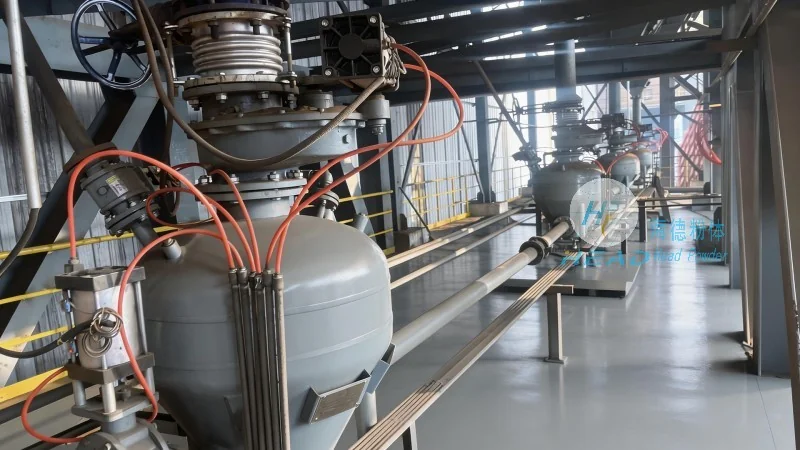
Both positive and negative pressure conveying methods have their advantages and limitations when applied to talc powder. Key considerations include the material’s moisture content, particle size distribution, and potential for dust generation. Talc powder, being a soft and fine mineral, is susceptible to agglomeration and degradation if not handled properly. Positive pressure systems, with their high air velocities, can effectively prevent agglomeration by keeping the powder fully suspended. Conversely, negative pressure systems may require additional measures, such as pre-drying or anti-static treatments, to maintain material quality. The choice of conveying method also impacts the overall system design, including the need for dust collection and filtration equipment. HeadPowder emphasizes the importance of integrating these components into the conveying system to ensure compliance with environmental regulations and to maintain product purity. The company’s expertise in material handling allows for the customization of conveying systems to meet the unique requirements of each talc powder application, whether it involves bulk transport, fine powder processing, or integration with other production lines.
In conclusion, the selection between positive pressure and negative pressure conveying for talc powder depends on a careful evaluation of operational factors, material characteristics, and system constraints. Positive pressure conveying offers high capacity and efficiency for long-distance transport, while negative pressure conveying provides gentle handling and lower energy consumption for shorter distances. Shandong HeadPowder Engineering Co., Ltd. leverages its extensive experience to design and implement tailored pneumatic conveying solutions that optimize the performance of talc powder handling processes. By considering factors such as material properties, conveying distance, and operational costs, industries can choose the most suitable method to ensure reliable, efficient, and cost-effective material transport. HeadPowder’s commitment to innovation and customer satisfaction ensures that its conveying systems meet the evolving needs of the talc powder industry, providing long-term value and operational excellence.

 Shandong Headpowder Engineering Co., Ltd.
 156-6277-7102(Manager Zhang)
  0531-83386006
  Zhangqiu District, Jinan City, Shandong Province, China
telephone
WeChatconsult
top