

Working Principle and Features of Monosodium Glutamate Pneumatic Conveying System
Monosodium glutamate (MSG), a widely used flavor enhancer in the food industry, requires efficient and reliable transportation methods for processing and distribution. The pneumatic conveying system offers a solution that combines functionality with operational advantages, making it a preferred choice for handling MSG and similar powders. This article explores the working principle and key features of such systems, highlighting their relevance in industrial applications.
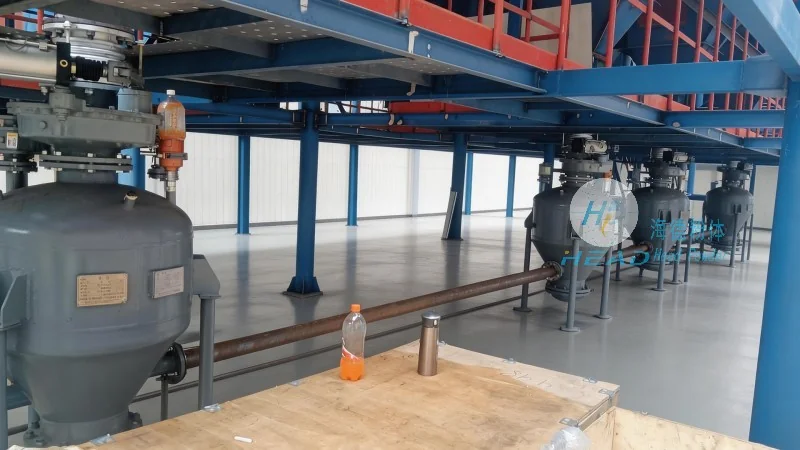
Company Overview: Shandong HeadPowder Engineering Co., Ltd.
HeadPowder, a leading engineering firm based in Shandong, China, specializes in the design, manufacturing, and implementation of advanced material handling solutions. With a focus on precision and efficiency, the company has developed expertise in pneumatic conveying systems tailored for the food and chemical industries. Their commitment to quality and innovation ensures that clients receive systems that meet stringent industry standards and operational requirements.
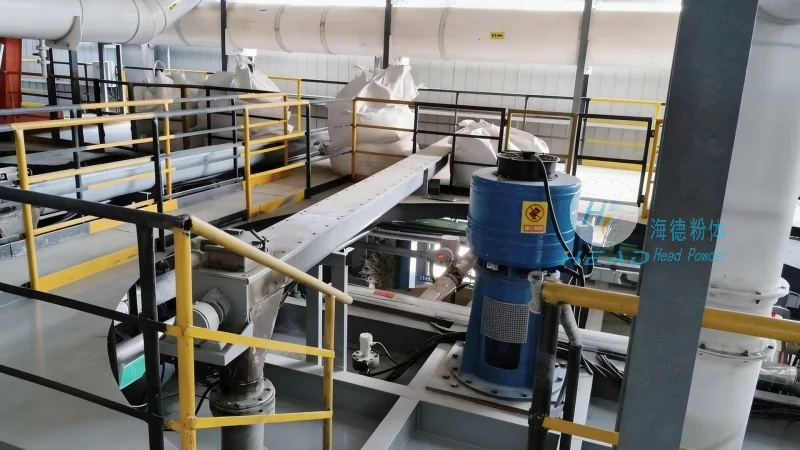
Working Principle of Monosodium Glutamate Pneumatic Conveying Systems
The core of a pneumatic conveying system lies in its ability to transport bulk materials like MSG through a pressurized or vacuum environment. In a typical system, the process begins with the material being fed into a hopper or feeder. From there, the material is introduced into a pipeline where it is mixed with air or gas under controlled pressure. This mixture then travels through the pipeline to the destination point, such as a silo or processing unit. The system utilizes either positive pressure (where air is forced into the system) or negative pressure (where air is drawn out), depending on the specific application and material characteristics. The design ensures minimal product degradation, maintaining the quality of MSG during transport.
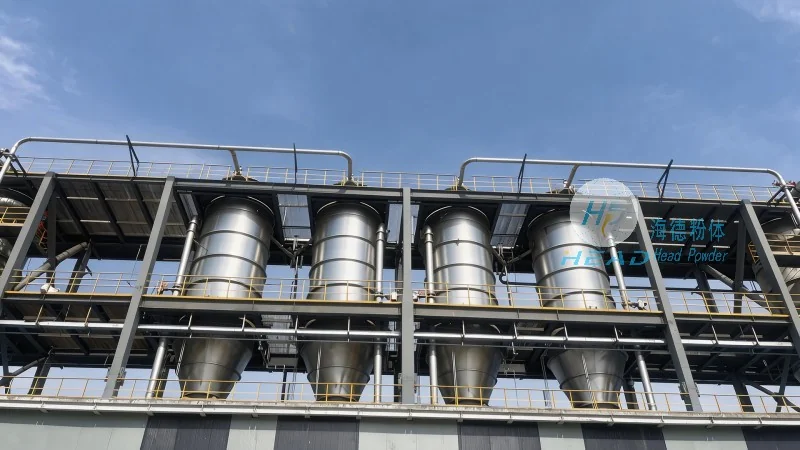
Key Features and Advantages of the System
Several distinct features make monosodium glutamate pneumatic conveying systems highly effective for industrial use. Firstly, the system provides a dust-free and hygienic environment, which is critical for food-grade materials like MSG. This reduces the risk of contamination and ensures compliance with food safety regulations. Secondly, the enclosed pipeline design minimizes product exposure to external elements, preserving the integrity and flavor of the MSG. Thirdly, the system offers high efficiency in terms of speed and capacity, allowing for rapid and continuous material transport. Additionally, the flexibility of the system allows for easy integration with existing production lines, reducing downtime and operational costs. The modular design also enables scalability, making it suitable for both small-scale and large-scale operations.
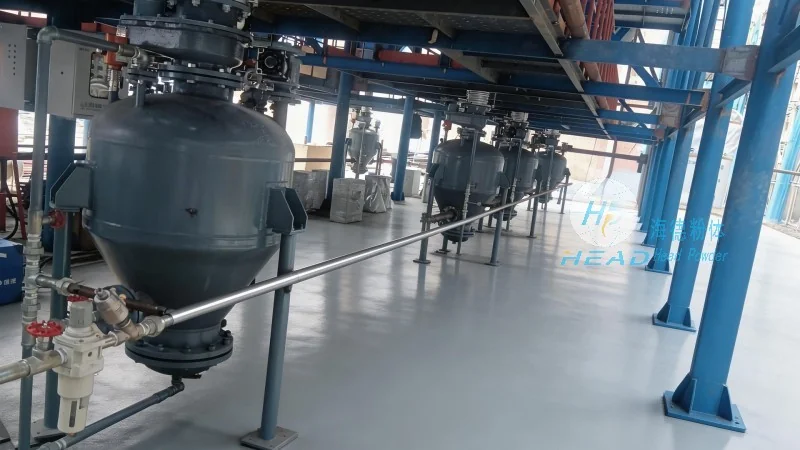
Conclusion and Application
Monosodium glutamate pneumatic conveying systems, as exemplified by the solutions offered by Shandong HeadPowder Engineering Co., Ltd., represent a sophisticated approach to material handling in the food industry. By leveraging the principles of pneumatic transport, these systems provide reliable, efficient, and hygienic solutions for transporting MSG and other similar powders. The combination of advanced engineering, adherence to industry standards, and a focus on client needs makes such systems indispensable in modern industrial processes. For businesses seeking to optimize their material handling operations, investing in a well-designed pneumatic conveying system can lead to improved productivity, reduced costs, and enhanced product quality.