With more than 10‑year industry experience, Shandong Headpowder delivers full‑service pneumatic‑conveying systems and blowers, undertaking nationwide turn‑key powder‑handling projects.
When it comes to transporting soybean protein powder, selecting the right pneumatic conveying method is crucial for ensuring efficiency, product integrity, and operational reliability. Two primary approaches are widely used in the industry: positive pressure conveying and negative pressure conveying. This article provides a detailed comparison of these two methods, focusing on their mechanisms, advantages, disadvantages, and typical applications, with a focus on the specific characteristics of soybean protein powder as a product. The insights shared here are based on the expertise of Shandong HeadPowder Engineering Co., Ltd., a leading provider of engineering solutions for bulk material handling in the food and agricultural sectors.
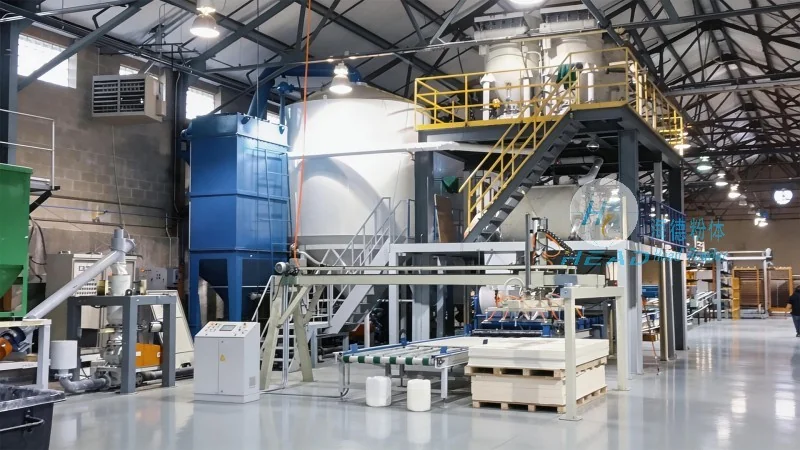
Pneumatic conveying systems use air or gas to transport bulk materials like soybean protein powder through a pipeline. The two main categories are positive pressure and negative pressure systems, each operating on different principles. Positive pressure systems force air and material through the pipeline, while negative pressure systems draw material into the system using a vacuum.
Positive pressure conveying, also known as pressure conveying, operates by generating a higher pressure inside the conveying line compared to the ambient environment. This is typically achieved using a positive displacement blower or a rotary lobe blower that pushes air and material through the pipeline. For soybean protein powder, this method is often preferred for its ability to handle high material loads and maintain consistent flow rates.
One of the key advantages of positive pressure conveying is its high conveying capacity. It can transport large volumes of soybean protein powder over long distances with minimal pressure drop, making it suitable for industrial-scale operations. Additionally, positive pressure systems are generally more energy-efficient for high-volume applications, as they can maintain consistent pressure without the need for complex vacuum equipment.
However, positive pressure conveying also has notable disadvantages. The high pressure can lead to increased wear and tear on system components, such as pipelines and valves, which may require more frequent maintenance. Moreover, the method can be less effective for handling fine or dusty materials like soybean protein powder, as the high pressure may cause material degradation or caking if not properly controlled. Another concern is the potential for product contamination, as the system operates under positive pressure, which can allow air to leak into the material stream if seals are not properly maintained.
Negative pressure conveying, or vacuum conveying, works by creating a lower pressure inside the conveying line than the ambient environment. This is typically achieved using a vacuum pump that draws air and material into the system. For soybean protein powder, this method is often chosen for its ability to handle fine powders and maintain product quality.
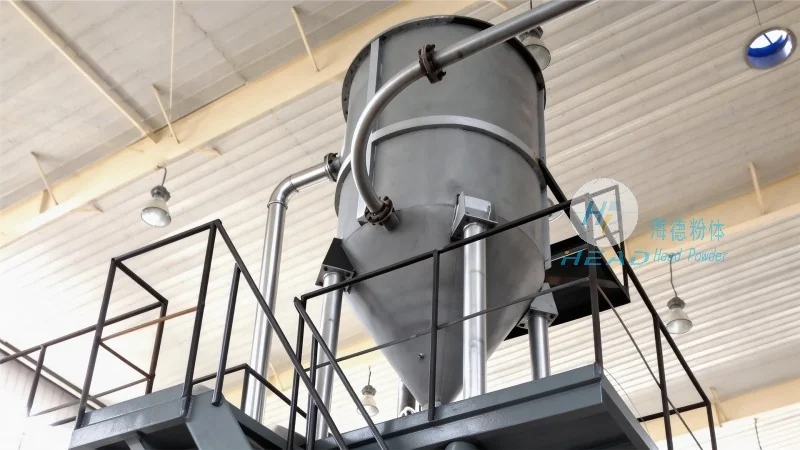
A significant advantage of negative pressure conveying is its gentle handling of materials. The low pressure and suction action minimize particle breakage and degradation, which is critical for sensitive products like soybean protein powder. This method is also effective for transporting materials from multiple sources or at varying heights, as the vacuum can draw material from different locations into a central collection point.
However, negative pressure conveying has its own set of challenges. The primary disadvantage is its lower conveying capacity compared to positive pressure systems, which may limit its use for high-volume applications. The vacuum system requires more energy to maintain, and the pipeline can experience higher pressure drops over long distances, potentially reducing the overall efficiency. Additionally, negative pressure systems are more susceptible to air leaks, which can affect the vacuum level and lead to material loss or contamination. The system also requires careful design to prevent backflow and ensure consistent material flow, as the vacuum can sometimes cause uneven material distribution.
When comparing positive and negative pressure conveying for soybean protein powder, several factors must be considered. The choice between the two depends on the specific application requirements, such as material characteristics, distance, volume, and operational constraints.
For high-volume, long-distance transport of soybean protein powder, positive pressure conveying is often the more suitable option due to its higher capacity and energy efficiency. It is particularly effective in industrial settings where large quantities of material need to be moved quickly and reliably. However, the system's higher pressure and potential for wear and tear require careful maintenance planning and component selection to ensure long-term operational stability.
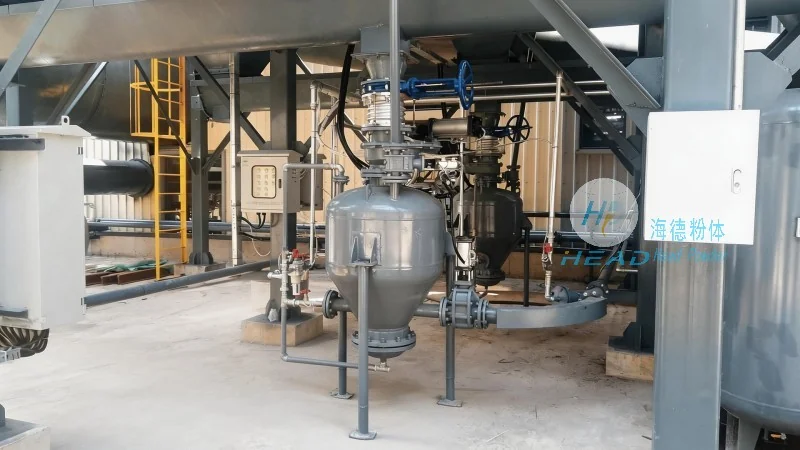
On the other hand, negative pressure conveying is better suited for applications that prioritize product integrity and gentle handling. It is ideal for transporting fine or sensitive soybean protein powder, where minimizing particle damage and maintaining quality is paramount. This method is commonly used in smaller-scale operations or in situations where multiple material sources need to be integrated into a single system. The trade-off is the lower capacity and higher energy consumption, which may make it less efficient for large-scale production.
The decision between positive and negative pressure conveying for soybean protein powder is influenced by several key factors. Material properties, such as particle size, moisture content, and flowability, play a significant role. Fine or cohesive powders like soybean protein powder may perform better under negative pressure due to the gentler handling, while bulkier or less abrasive materials may benefit from the higher capacity of positive pressure systems.
Distance and layout of the conveying system are also critical considerations. Positive pressure systems are generally more effective for long-distance transport, as they maintain pressure better over extended pipelines. Negative pressure systems, while effective for shorter distances or multiple source points, may require additional vacuum equipment to maintain performance over longer runs.
Operational costs and maintenance requirements are another important factor. Positive pressure systems often have lower energy costs for high-volume applications but may require more frequent component replacement due to wear. Negative pressure systems, while potentially more energy-intensive, may have lower maintenance needs if properly designed and maintained.
In conclusion, both positive and negative pressure conveying methods have their distinct advantages and disadvantages when applied to soybean protein powder. Positive pressure conveying excels in high-volume, long-distance transport with its efficiency and capacity, while negative pressure conveying offers superior product handling and integrity for sensitive materials. The optimal choice depends on the specific operational needs, material characteristics, and budget constraints of the application. By carefully evaluating these factors, industries can select the most suitable pneumatic conveying method to ensure efficient, reliable, and cost-effective transport of soybean protein powder. Shandong HeadPowder Engineering Co., Ltd. specializes in designing and implementing customized pneumatic conveying systems tailored to the unique requirements of soybean protein powder processing, ensuring optimal performance and product quality.

 Shandong Headpowder Engineering Co., Ltd.
 156-6277-7102(Manager Zhang)
  0531-83386006
  Zhangqiu District, Jinan City, Shandong Province, China
telephone
WeChatconsult
top